What Are the 2026 Top Large Shipping Container Types?
What are the 2026 top large shipping container types, and why do their differences matter? In modern freight operations, container size affects payload, cubic capacity, handling, and route compatibility. A 40-foot high-cube container remains a practical workhorse for dense consumer goods. A 45-foot high-cube unit offers extra internal volume, but not every terminal or chassis can accept it. That limitation matters.
Historian and shipping expert Marc Levinson wrote, “The box changed the world.” His observation explains why container design still shapes global logistics. Yet the largest option is not always the best option. A logistics manager may choose a 40-foot unit for stable port handling, while a retail shipper may prefer a 45-foot container for lightweight, bulky cargo. Some domestic networks also use 53-foot containers, although their use depends heavily on rail, road, and terminal infrastructure.
This guide will examine the leading large shipping container types expected to remain important in 2026. It will compare internal dimensions, door openings, cubic capacity, tare weight, payload limits, and common cargo applications. It will also consider high-cube designs, open-top units, flat racks, and refrigerated containers. Real-world details matter, such as forklift clearance, pallet orientation, ventilation, and uneven floor loading. Specifications can vary by manufacturer and operating region. That is easy to overlook. A clean comparison table may still hide practical constraints. Readers should confirm current carrier rules, equipment availability, and route requirements before making a purchasing decision.
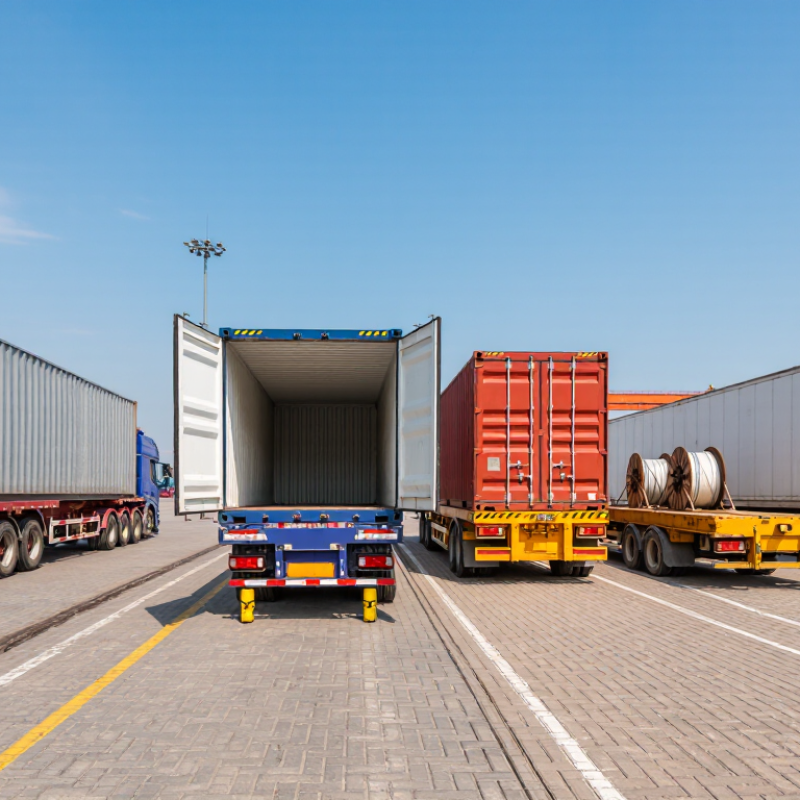
What Defines a Large Shipping Container in 2026?
In 2026, a large shipping container is usually defined by length, height, and usable volume. The 40-foot container remains the standard large unit, while the 40-foot High Cube adds about 30 centimetres of internal height. Its internal volume is typically close to 76 cubic metres. A 45-foot High Cube can offer approximately 86 cubic metres, but route acceptance and equipment availability matter more than volume alone.
The difference is practical. A 40-foot High Cube gives extra vertical space for boxed machinery, furniture, and lightweight industrial cargo. However, maximum payload still depends on container tare weight, cargo density, axle limits, and local road rules. A bigger box does not always carry more weight. That point is often missed.
UNCTAD’s Review of Maritime Transport 2024 recorded the global container ship fleet at roughly 29.6 million TEU in early 2024. This scale supports continued demand for larger units, especially on high-volume routes. Yet “large” has limits. A 53-foot container may provide more capacity in domestic freight systems, but it is not generally an ISO ocean container. ISO 668 dimensions remain the safer reference for international compatibility. In field operations, I would also check door clearance, corner fittings, chassis support, and port handling before choosing size. The label sounds simple. The decision is not.
How High-Cube Containers Expand Cargo Capacity
What Are the 2026 Top Large Shipping Container Types?
High-cube containers are changing how shippers plan large cargo in 2026. Their exterior length matches standard units, but the extra height creates valuable vertical space. A typical high-cube container stands about 9 feet 6 inches tall, compared with roughly 8 feet 6 inches for a standard container. That additional foot can provide several more cubic meters of internal capacity.
For bulky but relatively light goods, the difference is practical. Furniture, packaged machinery, insulation panels, and retail fixtures can often be stacked higher without increasing the container’s floor area. A 40-foot high-cube unit may offer around 76 cubic meters of internal volume, although exact measurements vary by equipment design. Warehouse teams should measure cartons, door openings, and pallet heights before booking space. Small errors matter.
More room does not always mean better loading. Weight limits remain important, and dense cargo can reach the permitted payload before the container is full. Uneven stacking may also shift during transport. In loading inspections, the most reliable plans balance height, weight, aisle access, and securing materials. A high-cube container can reduce unused air, but only when the cargo is stable and compatible with the extra height. Otherwise, the added capacity becomes an expensive illusion. Careful planning still beats maximum volume.
2026 Top Large Shipping Container Types: How High-Cube Containers Expand Cargo Capacity
Approximate nominal internal volume by commonly used ISO container type
A 40-foot high-cube container typically provides about 13% more internal volume than a standard 40-foot container because its internal height is approximately 30 cm greater. A 45-foot high-cube container offers the largest capacity in this comparison, making it suitable for high-volume, lightweight cargo. Actual usable capacity varies by manufacturer, door design, insulation, and cargo-loading requirements.
When to Choose Open-Top and Hard-Top Containers
What Are the 2026 Top Large Shipping Container Types?
When to Choose Open-Top and Hard-Top Containers
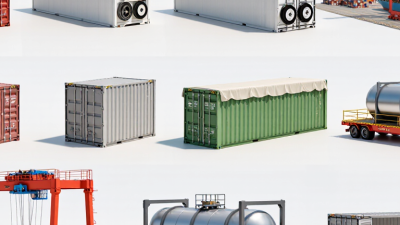
Open-top containers suit cargo that cannot pass through standard doors. Think of excavators, tall machinery, timber bundles, or heavy steel parts. A crane can lower these items from above, saving loading time at busy terminals. Their removable tarpaulin also allows flexible height clearance. However, the cover depends on careful fitting. Wind, rain, and rough handling can expose weak points.
Choose a hard-top container when cargo needs stronger overhead protection. Its removable steel roof offers better resistance against impact and weather. This design works well for dense machinery, metal components, and cargo loaded by crane or forklift. The roof can be removed at the loading site, then secured before transport. That extra structure may also support safer stacking decisions, but the container still needs a professional inspection.
In 2026, many shippers compare 40-foot and 45-foot high-capacity options before selecting a special container. Measure the cargo, lifting path, and final unloading equipment. Do not rely on cargo weight alone. I have seen planning errors caused by ignoring door width and crane reach. An open-top container may seem cheaper, yet poor weather protection can increase handling work. A hard-top unit may protect better, but its roof removal requires suitable space and equipment. The best choice depends on the complete route, not only the cargo dimensions.
Clearance matters.
Which Large Container Type Fits Each Shipping Need?
Choosing a large container starts with cargo behavior, not outside dimensions.
In practical planning, measure volume, weight, loading access, and temperature needs first. A 40-foot standard dry container suits boxed goods, furniture, and stable palletized cargo. It provides useful floor length without demanding special handling. A 40-foot high-cube container adds about 30 centimeters of internal height. That extra space helps with light, bulky cartons. More room does not mean more payload.
For temperature-sensitive goods, a refrigerated container is the safer fit. It needs pre-cooling, airflow space, and continuous temperature records. Cold cargo can fail quietly.
An open-top container works better for tall machinery, timber, or cargo loaded by crane. A flat-rack container handles oversized equipment when width or height exceeds enclosed space. Measure every projection. Lashing points matter as much as capacity. Tank containers are designed for compatible liquids and require certified equipment and careful handling procedures.
A 20-foot dry container may suit dense cargo that reaches its weight limit before filling the available volume. A 45-foot high-cube option can serve lightweight, high-volume shipments, but route and terminal compatibility must be checked early.
A common planning mistake is choosing by volume alone. Door width, axle limits, ventilation, and unloading tools can change the decision. I would also allow spare space for airflow and safe securing, even when the numbers look efficient. Perfect utilization is often less practical.