How to Buy a Conex Shipping Container Worldwide?
Buying a conex shipping container worldwide looks straightforward: choose a size, compare prices, and arrange delivery. In practice, every detail can change the final cost. A 20-foot container may appear inexpensive in a supplier’s yard, yet inland transport, port handling, inspection, taxes, and unloading equipment can quickly increase the budget.
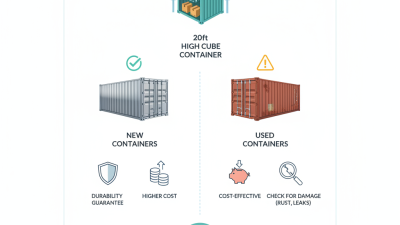
Transport geographer Jean-Paul Rodrigue explains the underlying principle clearly: “The container is a standardized box moving through an integrated transport system.” That system connects manufacturers, dealers, ports, trucking companies, and local authorities. A serious buyer must examine each link. Check the container’s manufacturing year, floor condition, door seals, roof, corner posts, and visible corrosion. Ask for recent photographs. Better still, arrange an independent inspection before payment.
This guide explores how to buy a conex shipping container across borders with greater confidence. It covers new and used units, wind-and-watertight standards, ISO dimensions, CSC requirements, supplier verification, freight planning, and delivery access. It also considers regional differences. A container available near Rotterdam may not have the same price or availability in Manila, Houston, or Nairobi.
Do not trust a perfect spreadsheet.
Unexpected fees happen. Specifications can be misunderstood. A “cargo-worthy” label may also require clarification, especially when international transport is planned. Buyers should confirm documentation with qualified shipping agents and local authorities. The process is not always clean or predictable. Careful questions, written terms, and realistic contingency funds remain the strongest protection.
Define Container Types Using ISO 668 Dimensions and TEU Standards
How to Buy a Conex Shipping Container Worldwide?
Buying a conex shipping container starts with accurate size language. ISO 668 provides internationally recognized external dimensions for common container series. A standard 20-foot unit measures about 6.058 meters long, 2.438 meters wide, and 2.591 meters high. A standard 40-foot unit measures about 12.192 meters long, 2.438 meters wide, and 2.591 meters high. Dimensions can vary slightly because of manufacturing tolerances and fittings.
TEU means twenty-foot equivalent unit. One 20-foot container equals one TEU. A 40-foot container equals two TEU, although it is not physically identical to two separate units. High-cube containers usually provide an external height of about 2.896 meters. That extra space helps with bulky cargo, but it may affect road clearance, port handling, and delivery costs. Check the actual internal dimensions, door opening, tare weight, and maximum gross mass before purchasing. Numbers on a listing are not always enough.
I once focused too heavily on floor length. That was a mistake. Door height and local transport limits mattered more than expected. Ask the seller for recent photographs, the identification plate, inspection details, and a clear condition report. Compare the stated ISO dimensions with the drawings and shipping documents. Confirm whether the unit is suitable for cargo transport or intended only for storage. Delivery distance, lifting equipment, taxes, and port charges can change the final price significantly. Allow room for uncertainty.
Verify CSC Plates, ISO Certification, Condition Grades, and Seller Credentials
How to Buy a Conex Shipping Container Worldwide?
Verify CSC Plates, ISO Certification, Condition Grades, and Seller Credentials
When buying a shipping container worldwide, inspect the CSC plate before discussing price. It should show the container number, manufacturer details, maximum gross weight, and inspection dates. Match these details with the container’s door markings and sales documents. A missing, altered, or unreadable plate deserves careful questioning. Do not rely only on photographs.
Request the ISO certificate and confirm its issuing organization, validity, and container identification. The certificate should match the exact unit you plan to purchase. Details matter. Ask for recent interior, roof, floor, and corner images. Check for pinholes, heavy rust, warped doors, water stains, and chemical odors. A clean photograph can mislead. I would prefer a small defect disclosed early over a cheap surprise after delivery.
Condition grades are not perfectly standardized, so ask what each grade means in writing. “Cargo worthy” should be supported by a current inspection report, not just a seller’s description. Verify the seller’s registered business details, physical address, transaction history, and references from traceable buyers. Use an independent inspector near the container when practical. Request a serial-numbered invoice, delivery terms, insurance responsibilities, and a clear refund process. Local import, customs, and transport requirements may also affect the final cost. One overlooked fee can change the entire calculation.
How to Buy a Conex Shipping Container Worldwide
Common ISO dry freight containers have standardized external dimensions. A 20-foot container is approximately 6.058 m long, a 40-foot container is approximately 12.192 m long, and a 45-foot container is approximately 13.716 m long. Before purchasing, verify the CSC safety plate, ISO certification details, condition grade, inspection records, and the seller’s credentials. Dimensions may vary slightly by manufacturer and container type.
Compare Global Quotes, EXW/FOB/CIF Terms, Taxes, and Delivery Costs
How to Buy a Conex Shipping Container Worldwide?
Global container buying starts with comparable quotes, not the lowest price. UNCTAD’s Review of Maritime Transport 2023 states that over 80% of world trade by volume moves by sea. That scale does not make every quote transparent. Ask for the container’s size, manufacture year, condition, inspection photos, and availability date. A 40-foot used container may look affordable, yet dents, floor damage, or restricted doors can increase local costs.
Incoterms change the real price. Under EXW, the buyer usually arranges pickup, export clearance, loading, and transport. FOB generally includes delivery onboard the vessel and export formalities, but destination charges remain yours. CIF includes freight and insurance to a named port. Risk transfers earlier, and final trucking is not included. Check the named place carefully. “CIF port” is not “delivered to my site.” Customs duty, VAT, port handling, storage, and inspection fees may also apply. The World Bank’s Logistics Performance Index 2023 highlights customs clearance and delivery reliability as major differences between markets.
Tips:
Request three itemized quotes using the same container specifications and Incoterm. Confirm the HS classification with a licensed customs broker. Ask whether taxes use the container value, freight, or both. My checklist is not perfect; local terminal fees still surprise buyers. Leave a contingency budget of 10–20% for inland delivery and unexpected handling costs. Get payment milestones, inspection rights, and delivery evidence in writing.
Arrange Shipping, Customs Clearance, Insurance, and Final Delivery Worldwide
Buying a conex shipping container worldwide involves more than choosing a size and paying an invoice. Start by confirming its condition, dimensions, door operation, floor strength, and inspection records. Ask for clear photos of the roof, corner posts, seals, and interior. A small dent may be harmless, but corrosion near structural joints deserves expert review. Request a written quotation separating the container price, inland transport, ocean freight, port charges, and destination fees. Costs can change with fuel prices, congestion, and seasonal capacity.
Arrange shipping through a forwarder experienced with the origin and destination ports. Confirm that the container is cargo-worthy and accepted for international transport. Provide accurate consignee details, HS classification, commercial invoice, packing list, and required import permits. Customs officers may question the container’s age, material, or declared value. Missing paperwork can hold cargo for days. Use a licensed customs broker when local practice requires one. Insurance should cover the container and its contents from pickup through final delivery, including exclusions and claim deadlines.
Tips: choose a delivery site with firm ground, overhead clearance, and enough turning space for a truck. Measure gates before dispatch. Confirm who unloads the unit and whether a crane, tilt-bed truck, or side-loader is needed. Keep photographs before loading, at the port, and on arrival. They support practical claims. I have seen schedules fail because one gate was only a few centimeters too narrow. That detail is easy to miss. Recheck every measurement, even when the supplier seems reliable.