China Best Cargo Shipping Container Suppliers?
Choosing the best cargo shipping container supplier in China requires more than comparing catalog prices. Quality, compliance, production control, and after-sales support can directly affect cargo safety and logistics costs.
UNCTAD’s Review of Maritime Transport 2024 reports that more than 80% of global merchandise trade moves by sea. This scale makes container reliability commercially important. A damaged door seal or weak corner casting can delay loading, inspection, and delivery. Small defects create expensive problems.
China remains a major manufacturing center for dry, refrigerated, open-top, and specialized containers. However, supplier claims should be checked against evidence. Buyers should request factory audit records, material specifications, welding procedures, inspection photographs, and valid CSC safety approvals. ISO 668 dimensions also help confirm compatibility with international handling equipment.
Look closely at steel grade, floor treatment, paint system, locking rods, gasket quality, and corrosion protection. Ask how each batch is inspected before shipment. Independent inspection can verify dimensions, door operation, coating thickness, and structural condition. It is not glamorous. It is practical.
The World Bank’s Logistics Performance Index highlights customs, infrastructure, shipment reliability, and tracking as key logistics factors. Therefore, a capable supplier should support more than manufacturing. Export documentation, production updates, replacement-part availability, and responsive communication matter equally.
No supplier is perfect. A polished website proves little. Even a strong factory may struggle during peak seasons or material shortages. This guide compares leading Chinese suppliers through a balanced lens, combining industry standards, documented capabilities, buyer experience, and risk awareness. The goal is not simply to find the lowest quotation. It is to identify a dependable partner for safe, consistent, and compliant container supply.
Defining the Role of Cargo Shipping Container Suppliers
Cargo shipping container suppliers do more than sell steel boxes. They help shippers choose equipment that matches cargo, routes, loading methods, and storage conditions. A reliable supplier asks practical questions before quoting: Is the cargo sensitive to moisture? Will it move by sea, rail, or truck? Does the customer need a 20-foot dry container, a high-cube unit, or a refrigerated model?
Their technical role starts with container quality.
Experienced suppliers inspect corner castings, door seals, flooring, roof panels, and locking bars. They should provide clear specifications, inspection records, production details, and delivery terms. Small defects matter. A damaged gasket can allow water inside during a long voyage. Uneven flooring may create loading risks. Good suppliers also explain maintenance needs instead of hiding them behind attractive prices.
Documentation is equally important.
Suppliers should support accurate serial records, safety information, and applicable international transport requirements. They may coordinate factory inspection, port delivery, inland transport, and replacement planning. This reduces delays between purchase and actual use. Still, no supplier gets every decision right. I have seen buyers focus on the lowest quotation and overlook repair costs, lead times, or unsuitable dimensions. That mistake can affect an entire shipment schedule. Clear communication, realistic promises, and traceable quality checks define the supplier’s real value.
Key Types of Cargo Shipping Containers Available in China
China’s cargo container industry supplies several practical types for international freight. Standard dry containers remain the common choice for cartons, machinery, furniture, and packaged materials. They usually come in 20-foot and 40-foot sizes. High-cube containers add extra internal height for bulky, lightweight cargo.
Small details matter. Refrigerated containers support temperature-sensitive goods with insulated walls, powered cooling units, and digital temperature records. Open-top containers suit tall machinery or cargo loaded by crane. Their removable roof makes loading easier, but weather protection requires careful planning. Flat-rack containers handle oversized equipment, steel structures, and heavy industrial parts. Buyers must confirm weight distribution and lashing points before shipment.
Tank containers are designed for approved liquid cargo and require strict technical documentation. They should match the cargo’s properties, filling limits, and transport regulations. Chinese suppliers may also provide modified containers, but customization can affect weight, delivery time, and certification requirements. Ask for drawings, material specifications, inspection records, and clear photos of doors, floors, corner castings, and welds. A reliable supplier should explain testing procedures instead of offering vague promises.
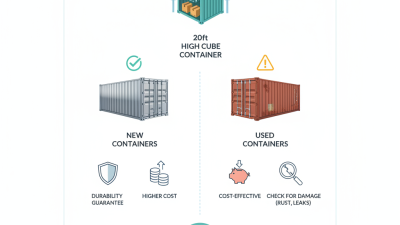
In sourcing work, I have found that a low price can hide repair costs or unsuitable fittings. This is easy to overlook. Independent inspection can verify dimensions, corrosion levels, load markings, and safety plates before dispatch. Confirm recognized safety certification and local import requirements with qualified shipping professionals. Supplier communication is useful, but it should never replace documented checks.
China: Key Types of Cargo Shipping Containers Available
Typical internal volume of widely used container types
Dry containers provide the most common general-purpose solution, while high-cube containers offer additional vertical capacity. Reefer containers are designed for temperature-controlled cargo and typically have less usable internal volume because of insulation and refrigeration equipment. Open-top and flat-rack containers are commonly selected for oversized or heavy cargo. Values shown are typical nominal figures and may vary by container specification.
How to Evaluate Chinese Container Manufacturers and Suppliers
Selecting a Chinese cargo container supplier requires more than comparing factory prices. UNCTAD’s Review of Maritime Transport reports that ships carry over 80% of global merchandise trade. That scale makes container reliability a commercial issue, not a cosmetic detail. Ask for ISO 668 dimensions, ISO 1496 performance records, and valid CSC safety documentation. Check the manufacturer’s legal entity, factory address, production capacity, and export history.
Visit the production line if possible. Inspect steel plate certificates, welding seams, door gaskets, corner castings, floor boards, and paint thickness. A reliable factory should provide traceable batch numbers and inspection photos. Request load tests, water-tightness tests, and dimensional reports from an independent inspector. Drewry’s Container Census tracks a global fleet exceeding 27 million TEU, so small defects can create costly delays across many routes. The cheapest quotation may hide weaker steel or incomplete documentation.
Compare warranty terms carefully. Define acceptable corrosion, repair responsibility, spare-part timing, and delivery penalties in writing. Verify whether the supplier controls production or outsources critical welding. That distinction matters. Payment stages should follow measurable milestones, not promises. I would also order one sample unit before a larger contract, even when the supplier seems experienced. A sample can expose floor movement, rough locking bars, or uneven paint coverage. No checklist is perfect; local inspection still has blind spots. Reviewers should record evidence, not impressions.
Quality Standards, Customization, Pricing, and Export Services
Reliable cargo shipping container suppliers should prove quality through records, not promises. In factory inspections, I check weld continuity, door alignment, corner castings, floor strength, and roof sealing. Small gaps can become expensive problems after ocean exposure. Containers should meet relevant ISO 668 and ISO 1496 requirements, with material certificates and inspection reports available. Ask for evidence.
Customization should match the cargo and route. Common options include extra ventilation, internal partitions, side doors, reinforced floors, color coatings, and tailored dimensions. Each modification can affect weight, handling, certification, and price. A supplier should provide engineering drawings before production. Sample photos help, but they cannot replace a physical inspection. That lesson is easy to overlook.
Pricing depends on steel thickness, container grade, order volume, customization, inland transport, port charges, and seasonal freight rates. A very low quotation may exclude inspection, export packing, documentation, or destination fees. Request a line-by-line quotation with currency, delivery terms, production time, and payment milestones. Export services should include accurate invoices, packing lists, certificates of origin, and booking coordination. Customs requirements differ by country, so the supplier must verify current documents with the buyer’s forwarder. I would also request pre-shipment photos and a loading report. No supplier gets every detail right. Clear communication reduces costly surprises.