Top 10 Sea Container Types for Global Buyers
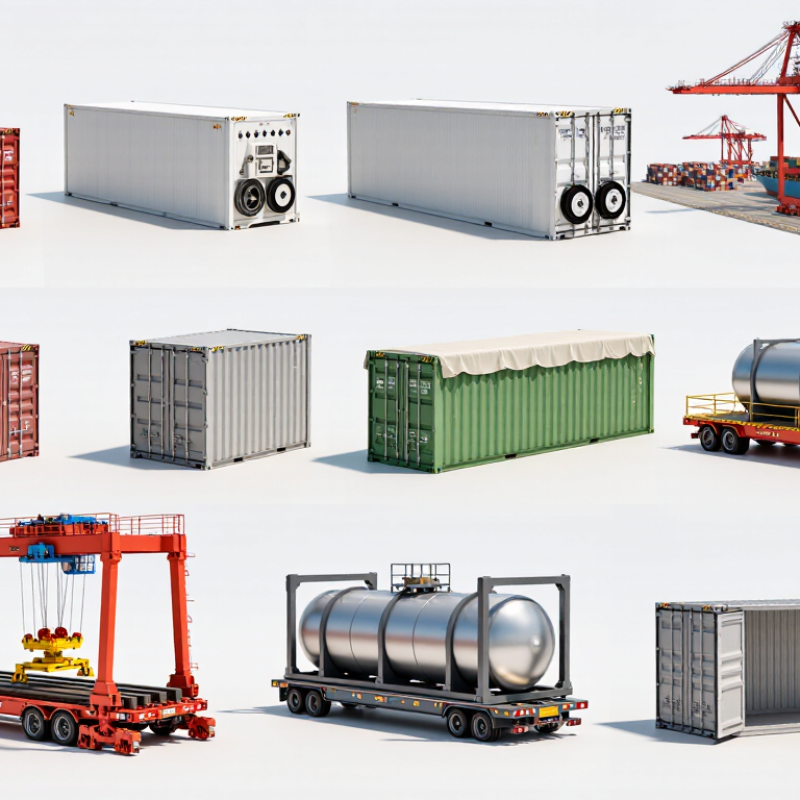
Choosing the right sea container is a practical decision, not a box-ticking exercise. Cargo dimensions, loading access, moisture sensitivity, route, and handling equipment all matter. A standard dry container may suit cartons and palletized goods. High-cube units add vertical room; refrigerated containers control temperature; ventilated and insulated types serve different airflow and thermal needs. Open-top, flat-rack, platform, tank, and side-opening containers address specific loading or cargo requirements. The differences are visible: a reefer’s machinery sits at one end, while a flat-rack leaves cargo exposed along its sides. Small details matter.
Container engineer Keith Tantlinger helped shape modern container design. A concise paraphrase of the principle reflected in his engineering legacy is: “Match the container to the cargo and handling system.” Buyers should also check internal dimensions, door openings, payload limits, equipment condition, and compatibility with planned transport. Specifications vary by manufacturer and unit. Confirm the actual container’s markings and documentation before booking; a type name alone is not enough.
This guide compares ten common options and explains where each may fit. It is a starting point, not a substitute for cargo-specific advice. A refrigerated unit, for example, needs suitable power and temperature planning throughout the journey. An open-top unit may simplify crane loading, but weather protection and lashing need attention. There is no perfect container. Even experienced buyers can overlook a door clearance or loading constraint. Check the details twice.
Sea Container Basics and International Size Standards
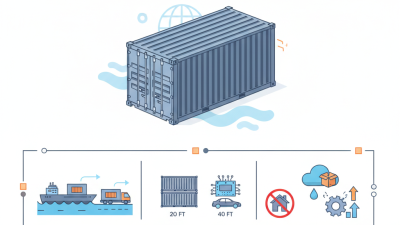
Sea container dimensions follow international standards, but “standard” does not mean every unit is identical. ISO 668 sets common container size and rating categories. A typical 20-foot container measures about 6.06 metres long externally; a 40-foot unit measures about 12.19 metres. Both are usually 2.44 metres wide and 2.59 metres high. High-cube models add roughly 30 centimetres of height. Small differences matter. Door openings, wall thickness, and interior dimensions can vary by construction and condition.
Tips: Compare internal dimensions, door clearance, payload, and maximum gross mass—not just the container’s name. Ask for the unit’s specification sheet before planning a tight fit. Measure bulky cargo at its widest point, including packaging. Allow room for loading equipment, too.
ISO size standards help ports, ships, and inland operators handle compatible equipment across transport modes. They do not guarantee identical usable space or carrying capacity. Payload depends on the container’s tare mass and rated gross mass, which should be checked on its data plate. A common planning mistake is treating nominal length as usable floor length. It is close, but not exact. Even careful estimates deserve a final measurement.
Standard Dry and High-Cube Containers
Standard dry containers are enclosed steel units for general cargo that does not need temperature control. Common lengths are 20 and 40 feet. A 20-foot unit can suit dense, compact loads, while a 40-foot unit offers more floor space for lighter goods. Actual internal dimensions vary, so check the container’s specification plate and available cargo documents before planning. Measure twice.
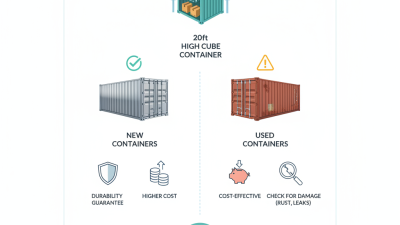
High-cube containers are typically about one foot taller than standard dry units: roughly 9 feet 6 inches externally instead of 8 feet 6 inches. That extra height can help with tall crates, bulky furniture, or cargo that needs more vertical clearance. It does not automatically mean a higher payload; maximum gross weight and tare weight still matter. Check door opening dimensions too, since cargo must pass through the doorway, not just fit inside.
A practical choice depends on cargo shape, weight, loading equipment, and route limits. Leave room for safe handling, and avoid planning around nominal volume alone. A layout can look perfect on paper, yet fail when a pallet cannot turn through the doors. I would recheck measurements before booking; small differences can cause costly delays.
Top 10 Sea Container Types for Global Buyers: Standard Dry and High-Cube Containers
Approximate internal volume of common container types, in cubic metres (m³).
Volumes are representative estimates. Actual internal capacity varies by manufacturer, model, insulation, and fittings; confirm the container specification before planning a shipment.
Open-Top, Flat-Rack, and Platform Containers
Open-top, flat-rack, and platform containers serve cargo that does not fit neatly inside a standard enclosed unit. An open-top container has a removable roof cover, allowing tall machinery or bulky goods to be loaded from above. Check the door opening and internal dimensions before booking. A crane may help, but the cargo still needs stable, weather-aware packing.
Flat-rack containers have end walls and an open sides-and-top design, making them useful for wide or heavy items such as industrial equipment. Their lashing points support careful securing with suitable straps or chains. The cargo should sit within the permitted dimensions and weight limits. Small measurement errors can create big loading problems. Not ideal for every load.
A platform container has a base without end walls, so it can accommodate exceptionally long or awkward cargo. That flexibility comes with fewer built-in barriers. Shippers must plan support, restraint, and protection against movement during handling and transit. The right choice depends on the cargo’s shape, weight, loading method, and route. Ask the carrier to confirm specifications; equipment details can vary, and assumptions are costly. A measured sketch often helps.
Refrigerated, Insulated, and Ventilated Containers
Refrigerated, insulated, and ventilated containers serve different cargo needs. A refrigerated container uses powered equipment to maintain a selected temperature. It suits goods that need steady cooling or freezing during transit. Before loading, check the required temperature, confirm power availability, and inspect the unit’s cooling system. Keep air channels clear; tightly packed cartons can block circulation and create warm spots. Small gaps matter. Temperature records can help identify problems during a long journey, though they cannot prevent poor loading practices.
An insulated container slows heat transfer but does not actively cool or heat its contents. It may suit cargo with moderate temperature sensitivity and a short, well-planned route. A ventilated container has openings that encourage air exchange, which can help certain produce release heat and moisture. Ventilation is not refrigeration, and outside air may bring unwanted heat or humidity. The right choice depends on the cargo’s tolerance, route conditions, and handling time. It is tempting to focus only on container type; in practice, loading patterns and delays can matter just as much. Inspect door seals, vents, and interior surfaces before use, and confirm that the container matches the cargo’s handling plan. A careful check helps, but it cannot remove every transport risk.
Tank, Bulk, and Other Specialized Containers for Global Buyers
Tank containers are built for liquid cargo, with a cylindrical vessel secured inside a steel frame. Their valves, seals, and cleaning records matter as much as capacity. Product compatibility matters. Before booking, confirm the tank’s specifications, previous cleaning status, and temperature needs. A small mismatch can delay loading or require extra handling.
Dry bulk containers suit free-flowing materials such as grains or plastic pellets. Some use liners; others rely on discharge openings designed for controlled unloading. Check how the destination site handles discharge, since a suitable container can still create problems without compatible equipment. Dust control and moisture protection also deserve attention. Details matter.
Other specialized options address awkward dimensions or temperature-sensitive goods. Open-top containers allow loading from above, while flat racks accommodate oversized machinery that cannot fit within standard walls. Refrigerated containers help maintain a set temperature, but cargo needs proper airflow and careful stowage. One planning weakness is assuming the container alone solves every shipping challenge. It does not. Confirm measurements, payload limits, and handling arrangements with the carrier or freight professional before cargo is prepared. A few minutes spent checking the details can prevent costly changes at the port.