CUSTOMER ALERT Beware of fraudulent websites using our name. We do not sell on Craigslist or Facebook Marketplace. Report suspicious contacts to 713-670-8801.


Why Choose a Large Shipping Container?
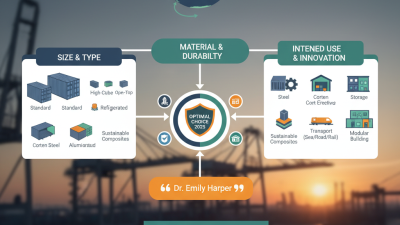
A large shipping container can solve a practical problem: moving bulky goods while keeping loading, storage, and transport organized. But extra space is not automatically an advantage. A 40-foot container may suit furniture, equipment, or a high-volume shipment, while a 20-foot unit can be easier to position when access is tight. The right choice depends on cargo dimensions, weight, loading method, and the route’s handling limits. Measure twice.
Shipping historian Marc Levinson’s work on containerization offers a useful principle, paraphrased here: “Standardization works best when the container fits the job.” That distinction matters. A larger unit can reduce the number of containers needed, yet unused space may mean paying to move air. Check door clearance, interior dimensions, payload limits, and whether forklifts or loading docks can handle the unit. Small details count: a pallet that fits on paper may still be awkward to turn through a doorway.
This guide examines where a large shipping container brings real value, what to check before choosing one, and when a smaller option may be more practical. No single size is ideal for every shipment. Even careful planning can miss a constraint, so confirm specifications with the supplier and transport provider before booking.
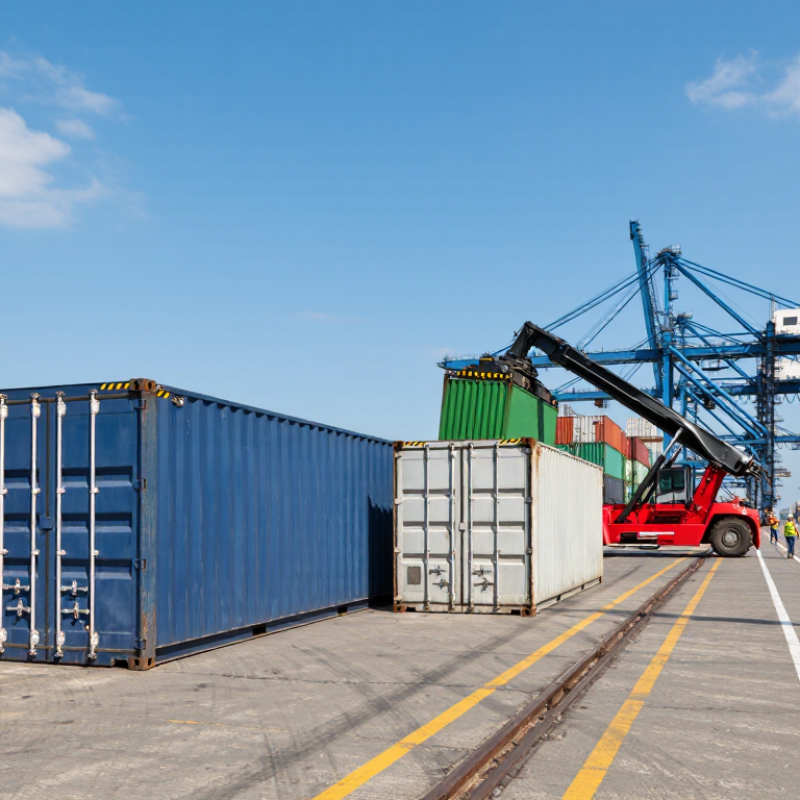
Table of Contents
[Hide]
What Defines a Large Shipping Container?
A large shipping container is generally defined by its length and usable capacity, not by one universal size label. In freight use, 40-foot containers are common, while 45-foot models offer extra length. High-cube versions add roughly one foot of height compared with standard units. Exact measurements vary, so check the specific unit’s data plate and drawings.
The outside dimensions do not tell the whole story. Wall thickness, door framing, and insulation can reduce the interior space available for cargo or storage. A 40-foot container may measure about 40 feet long externally, yet its clear floor length is shorter. Check the doorway too: a bulky item can fit inside on paper but fail to pass through the doors. Measure twice.
Capacity also depends on payload limits and the container’s condition. Inspect the floor for soft spots, the roof for dents, and the corner fittings for damage. Those details matter when a unit will hold heavy equipment or sit outdoors. The label can mislead. A longer container may be inconvenient on a narrow site, and extra height is useful only if the contents need it. I would compare internal dimensions, door opening, and rated payload before calling any container “large” enough.
Why Choose a Large Shipping Container? - What Defines a Large Shipping Container?
| Container type | External dimensions (L × W × H) | Approx. internal dimensions (L × W × H) | Approx. internal volume | Typical tare weight | Common use |
|---|---|---|---|---|---|
| 20-foot standard | 6,058 × 2,438 × 2,591 mm | 5,898 × 2,352 × 2,393 mm | About 33.2 m³ | About 2,200 kg | Dense or heavy cargo that may reach weight limits before filling the container. |
| 40-foot standard | 12,192 × 2,438 × 2,591 mm | 12,032 × 2,352 × 2,393 mm | About 67.7 m³ | About 3,750 kg | Long, bulky, or palletized cargo needing substantially more floor space than a 20-foot unit. |
| 40-foot high cube | 12,192 × 2,438 × 2,896 mm | 12,032 × 2,352 × 2,698 mm | About 76.3 m³ | About 3,900 kg | Lightweight, high-volume goods or cargo that benefits from extra vertical clearance. |
| 45-foot high cube | 13,716 × 2,438 × 2,896 mm | About 13,556 × 2,352 × 2,698 mm | About 86.0 m³ | About 4,800 kg | Long, voluminous shipments when the route and handling equipment accommodate this size. |
“Large shipping container” is a general description, not a single standard size. In practice, it often refers to containers of 40 feet or longer, or to high-cube models that provide extra interior height. Dimensions and tare weights are typical values; exact specifications vary by container and should be checked before loading or transport.
Related Posts
-
What Are the 2026 Top Large Shipping Container Types?
-

Top 10 Uses for a 30 Foot Shipping Container in Your Next Project?
-

Why Choose an 8x20 Shipping Container for Your Business Needs?
-
Top 10 Sea Container Types for Global Buyers
-
What Is an Empty Shipping Container?
-
The Ultimate Guide to Choosing Large Shipping Containers for Your Needs in 2025