CUSTOMER ALERT Beware of fraudulent websites using our name. We do not sell on Craigslist or Facebook Marketplace. Report suspicious contacts to 713-670-8801.

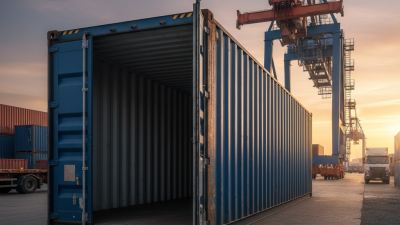
What Is an Empty Shipping Container? The answer begins after cargo leaves the box. A container may look unused, but it remains a valuable logistics asset. Its steel walls, locking doors, floor, and identification number still support global trade. The empty shipping container must be inspected, stored, repositioned, or prepared for another shipment.
John Fossey, a container equipment specialist and former Drewry analyst, has described this operational reality: “An empty container is an asset waiting for its next move.” That sentence captures the industry’s central challenge. A box sitting at a depot may represent delayed equipment, extra handling, storage costs, or an upcoming export requirement. It is not simply abandoned cargo equipment.
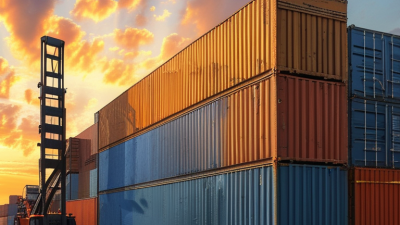
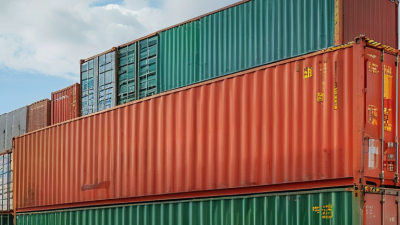
Walk through a busy terminal, and the details become visible. Rows of containers stand several units high. Some show fresh inspection plates. Others carry dents, rust marks, or faded shipping lines. Yard teams record condition, location, and availability before dispatching each unit. Timing matters. Moving an empty shipping container without a confirmed need can increase fuel use and terminal congestion. Waiting too long can create equipment shortages elsewhere.
The definition is simple. The management is not. Container flows change with trade volumes, vessel schedules, weather, port congestion, and regional demand. Even experienced operators make imperfect forecasts. That uncertainty deserves attention. Understanding empty containers means looking beyond steel boxes and recognizing the coordinated decisions behind every repositioning move.
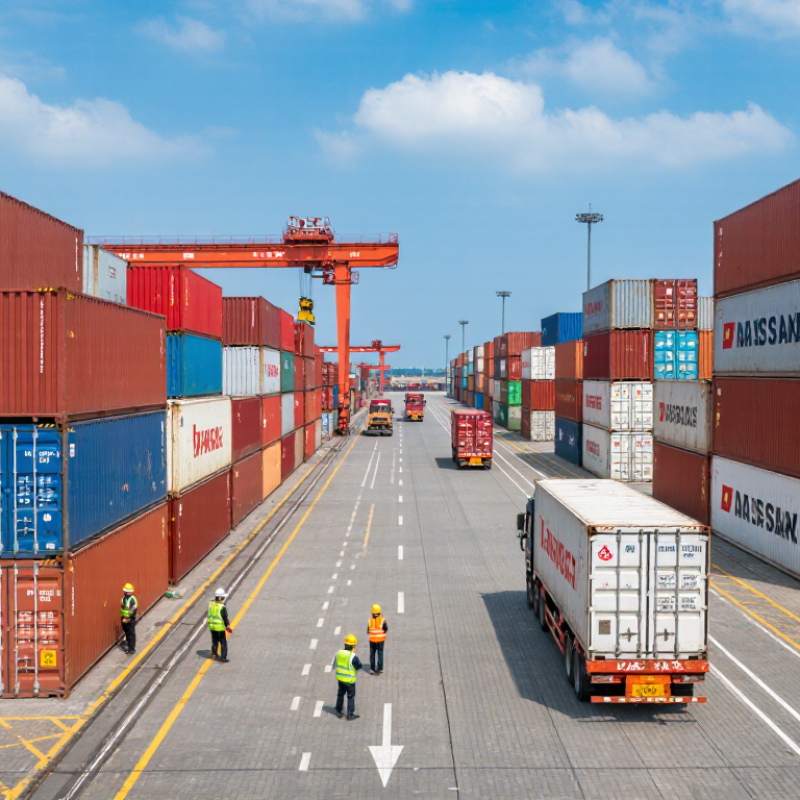
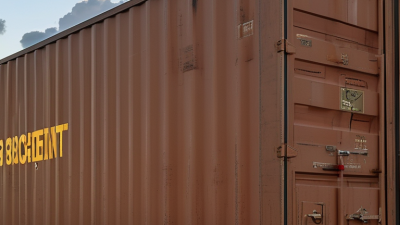
An empty shipping container is a standardized cargo box with no freight inside. Its definition sounds simple, yet practical details matter. It may be awaiting loading, returning to a depot, or undergoing inspection. Empty does not mean unused. Many containers show scuffed floors, surface rust, or repaired door seals after years of service.
Core features begin with a rigid steel frame and corrugated side panels. Common units follow standardized external dimensions, allowing movement between ships, trains, and trucks. They include locking doors, corner castings, a weather-resistant floor, and identification markings. Corner castings connect with lifting equipment and securing devices during handling. A tare weight records the container’s own mass without cargo.
For reliable use, inspectors check the frame, roof, doors, floor, and locking bars. They also look for holes, heavy corrosion, distorted corners, and water entry. A clean interior is important, but cleanliness alone proves little. An apparently sound box may still have a weak floor or leaking roof. No inspection is perfect. Careful records and direct checks support better professional decisions. Condition depends on history, climate, repairs, and storage. The label “empty” describes contents, not overall condition or transport readiness. That distinction is easy to miss.
An empty shipping container is a steel box without cargo, but it remains a working trade asset.
After unloading at a destination port, it may wait in a terminal, depot, or inland yard. Its next move depends on equipment demand, vessel schedules, and local storage capacity. A detailed inspection follows. Workers check doors, floorboards, corner castings, and water damage before releasing it for another shipment. Small defects can delay a much larger supply chain.
Empty containers usually travel toward export regions. A truck may carry one from a port to a rail terminal, distribution center, or nearby depot. Rail then moves groups of containers inland, while coastal vessels reposition larger volumes between ports. Sometimes the container travels only a short distance. Sometimes it crosses several countries before meeting new cargo. Operations teams use booking data, port forecasts, and depot inventories to choose the route. Conditions change quickly, so plans need regular adjustment.
Global trade rarely balances imports and exports perfectly. This creates empty-container surpluses in some ports and shortages in others. Repositioning costs fuel, labor, handling fees, and valuable vessel space. Delays also appear when customs release, weather, congestion, or damaged equipment interrupts the plan. In practice, tracking records may not match the container’s physical location immediately. That gap deserves attention. Better forecasting can reduce unnecessary moves, but it cannot remove every imbalance. An empty box is quiet, yet its movement reveals pressure across the trade network.
Main Types, Sizes, and Construction Standards
An empty shipping container has no cargo inside, but it remains a working transport unit. It needs inspection before storage, loading, or relocation. A dry container is the common type, with steel walls, corner posts, locking bars, and a plywood floor.
Standard lengths are 20 and 40 feet. High-cube models are usually 9 feet 6 inches high, giving extra internal clearance.
A 20-foot unit often suits dense cargo, while a 40-foot unit offers more volume.
Refrigerated containers use insulated panels and powered cooling equipment.
Open-top containers have removable roof sections for tall cargo.
Flat racks use strong end walls or collapsible frames for oversized loads.
Tank containers carry liquids under specialized specifications.
Empty does not mean identical. Dimensions, tare weight, door openings, and payload limits can vary.
ISO 668 defines common container dimensions and classifications. ISO 1496 addresses testing and performance requirements for freight containers. The Convention for Safe Containers requires examination and a valid safety approval plate for international transport.
Inspectors check corner castings, floor damage, door seals, roof holes, and serious corrosion.
A container may look sound from outside. That impression can be wrong. In practice, rushed inspections sometimes miss bent locking bars or weakened floor sections.
Records should match the container’s markings, although human errors still occur. Temperature history also matters for refrigerated units, even when they are empty.
An empty shipping container is a standardized steel box without cargo inside. After unloading, it may return to a depot, await export goods, or gain a second function. UNCTAD’s Review of Maritime Transport 2024 recorded about 12.3 billion tons of seaborne trade in 2023. That enormous flow leaves many containers temporarily idle.
Beyond cargo transport, containers can become storage rooms, site offices, workshops, classrooms, or compact retail spaces. A standard 20-foot unit offers roughly 33 cubic meters of internal volume. With insulation, windows, ventilation, and electrical work, it can feel surprisingly practical. Farmers may store tools inside. Contractors may use one beside a construction site. Communities sometimes adapt several units into modular facilities.
The steel box is not automatically a safe building. Moisture can collect beneath the floor, while heat becomes intense under direct sunlight. Cutting the walls may also weaken the structure. ISO 668 defines basic container dimensions, but it does not replace local engineering checks. The International Maritime Organization’s 2023 GHG Strategy targets net-zero greenhouse gas emissions from shipping by or around 2050. Reusing containers may extend material life, yet the environmental benefit depends on transport, renovation, and energy use. I would not call every conversion sustainable. That assumption deserves scrutiny.
An empty shipping container carries no cargo, but it still needs careful control. The box is empty. Its steel frame, doors, floor, and corner castings remain safety-critical. Before release, an experienced inspector checks the CSC safety plate, structural rails, roof, hinges, locking bars, and floorboards. They also look for standing water, mold, unusual odors, sharp edges, and signs of infestation. A clean appearance proves very little. Looks can mislead.
Handling requires suitable lifting equipment and trained operators. A spreader should engage all approved corner castings, while damaged units should remain out of service. Workers need to watch door movement, uneven ground, and wind exposure. A loose door can swing suddenly. ISO 1496-1 provides testing requirements for general-purpose freight containers, while the International Maritime Organization’s safety framework supports regular structural control. In practice, inspections are not flawless. A rushed check may miss a cracked weld beneath old paint, so photographs and defect records improve accountability.
Environmental care begins before transport. Reusing a sound container avoids additional steel production, but repositioning empty equipment still consumes fuel. The United Nations Conference on Trade and Development reported that shipping carried about 12.3 billion tonnes of goods in 2023, while sector emissions rose roughly 5 percent that year. IMO’s 2023 strategy targets net-zero greenhouse-gas emissions from international shipping around 2050. Dry storage, prompt leak repairs, and controlled cleaning can reduce waste and contaminated runoff. Small details matter. A wet floor today may become corrosion tomorrow.
CUSTOMER ALERT Beware of fraudulent websites using our name. We do not sell on Craigslist or Facebook Marketplace. Report suspicious contacts to 713-670-8801.