CUSTOMER ALERT Beware of fraudulent websites using our name. We do not sell on Craigslist or Facebook Marketplace. Report suspicious contacts to 713-670-8801.

An 8x20 storage container is a long, enclosed unit commonly used to store household items, tools, equipment, or business inventory. The name usually describes nominal exterior dimensions: about 8 feet wide and 20 feet long. That gives a footprint of roughly 160 square feet, but it does not tell you exactly how much usable space is inside. Wall thickness, door design, and the container’s construction can affect interior measurements. The label can mislead.
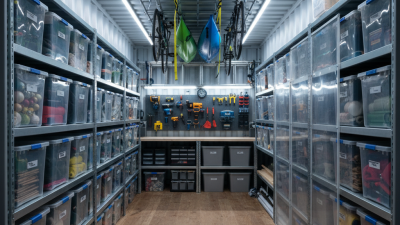
Picture a row of shelving along one wall, with boxes stacked near the doors. A unit this size may hold more than a compact garden shed, yet narrow access can make deep-stored items harder to reach. Interior height, door clearance, ventilation, and floor condition matter as much as length. Check the manufacturer’s specifications before planning around a particular model. Measure twice.
The right choice depends on what you need to store and how often you need to retrieve it. For example, frequently used equipment may need clear access near the entrance, while long-term storage can make better use of the full depth. Also consider delivery access, a level placement area, and room to open the doors safely. Requirements vary by site, so confirm practical details with the supplier or installer. In my view, buyers often focus on capacity and overlook access. I might do the same. This guide explains what an 8x20 storage container is, how its dimensions affect everyday use, and which details are worth checking before you choose one.
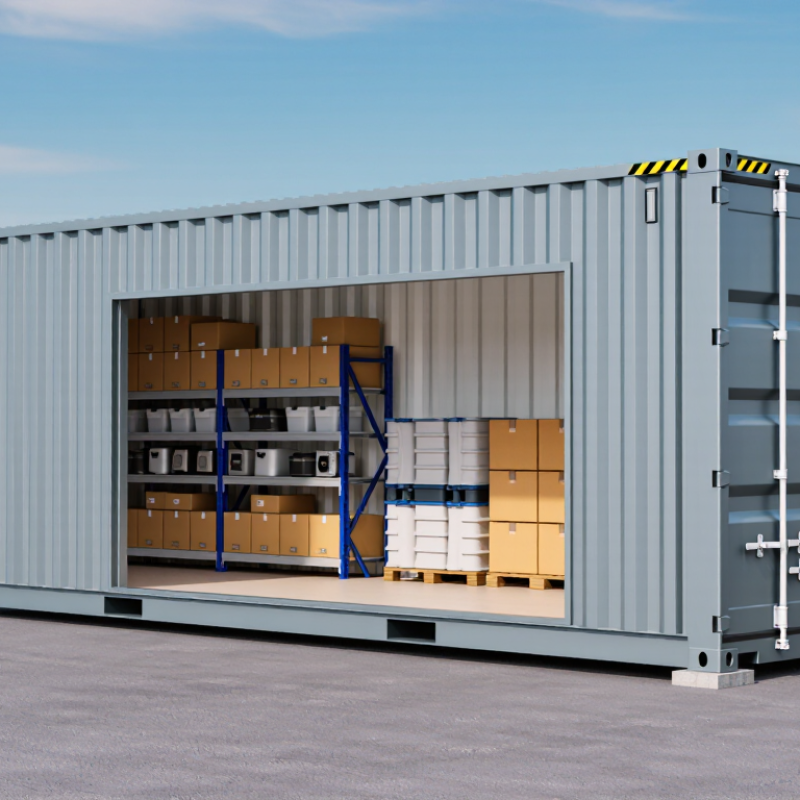
An 8x20 storage container is a steel storage unit with nominal exterior dimensions of about 8 feet wide and 20 feet long. That is roughly 2.4 by 6.1 metres. The “8x20” label describes its footprint, not the clear space available inside. Wall panels, corner posts, and door framing reduce usable dimensions.
A standard-height model is usually about 8 feet 6 inches tall on the outside. Interior width is often close to 7 feet 8 inches, while interior length is around 19 feet 4 inches. Exact measurements vary by construction and age. Measure carefully. Even a few inches matter when storing long shelving or planning a tight placement beside a fence.
Door openings also affect what fits. Many units have double doors at one end, but the opening is narrower and lower than the container’s exterior.
One detail is easy to overlook: uneven ground can make access awkward, even when the container technically fits. Check the listed interior dimensions and door clearance before arranging delivery; published figures may be rounded, and real units are not always identical.
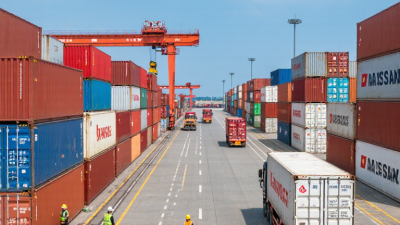
An 8x20 storage container has a nominal footprint of eight feet by twenty feet. ISO 668 specifies standard external dimensions for series 1 freight containers, including a 20-foot length of 6,058 millimetres and width of 2,438 millimetres. A standard-height unit is about 2,591 millimetres tall.
Internal space is smaller because walls, framing, and doors take room. Dimensions can also vary with age and construction.
The load-bearing skeleton typically includes corner posts, top and bottom rails, and corner castings. Corrugated steel panels add rigidity; weathering steel is common, but grades and condition vary.
The floor usually combines steel crossmembers with thick plywood or another engineered surface.
A detail worth checking. Water trapped beneath flooring can cause damage that a quick exterior glance misses.
The World Steel Association’s World Steel in Figures 2024 reports 1,892.2 million tonnes of crude steel production worldwide in 2023. That figure describes the wider steel supply, not the grade in any particular container.
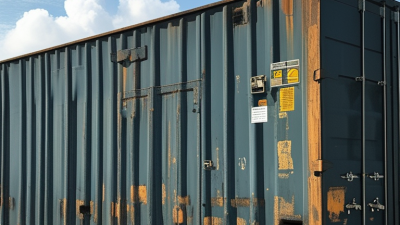
For a real unit, inspect welds, door alignment, floor softness, and corrosion around the lower rails.
The frame matters most.
An 8x20 storage container is roughly eight feet wide and twenty feet long, but those are usually exterior measurements. Inside, a standard unit may offer about 150 square feet of floor space and roughly 1,100 cubic feet of volume. Exact capacity varies with wall thickness, ceiling height, and container design, so check the listed interior dimensions before planning a tight fit. Measure twice.
That space can hold boxed household belongings, patio furniture, bicycles, tools, or seasonal stock for a small business. For example, shelving along one wall can keep labeled boxes accessible while leaving a narrow path to the rear. Space adds up. Still, a full container is not always an easy-to-use container: items stacked at the entrance can block things stored behind them, and shelves reduce the open floor area. Heavier objects are best placed low and spread across the floor rather than concentrated in one spot. Leave room for airflow, especially around items that should not sit against damp walls. I would not estimate capacity from cubic footage alone; door clearance, bulky shapes, and how often you need access can change what fits in practice.
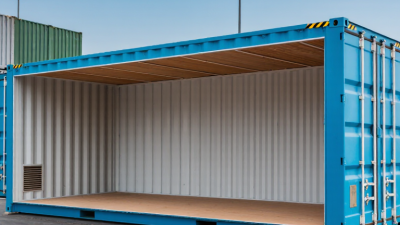
An 8x20 storage container provides about 160 square feet of floor area, though usable space varies by design. Door options affect how easily you can load bulky items. Many units have double swing doors at one end, with a wide opening for carts, furniture, or stacked boxes. Some configurations offer a side-access door or a separate personnel door. These features are not standard everywhere. Check the opening width, threshold height, and door swing before choosing a layout. Measure your largest item, too.
Ventilation helps reduce stale air and moisture buildup, especially when temperatures change. Small vents placed along the walls allow airflow, but they do not control humidity on their own. Keep stored goods off the floor and leave a little space near the vents. Security options may include a lockbox that shields a padlock from bolt cutters, plus reinforced door hardware. No lock makes a container impossible to enter. Still, a covered lock and solid placement can discourage casual tampering. Inspect hinges and seals after delivery; details sometimes need adjustment. Check local site conditions before installation, since drainage and access can affect how well the container performs.
An 8x20 storage container is typically about eight feet wide and twenty feet long. The dimensions describe its approximate exterior size, not the usable space inside. Wall thickness, door hardware, and the specific unit can reduce interior room. Check the container’s measurements before planning shelves or loading bulky equipment. Measure twice.
A level, firm surface helps the container sit securely and keeps doors easier to open. Compacted gravel or a suitable concrete pad may work, depending on the soil and expected load. Avoid low spots where rainwater collects; standing water can contribute to dampness and rust. Delivery access matters, too. Confirm the truck has enough width and turning space, and check for low branches, roof edges, and overhead lines. Leave room in front of the doors for loading. Site preparation is easy to underestimate, and a rushed placement can create problems later.
Tips: Ask the supplier for the unit’s exact dimensions and delivery clearances. Check drainage after rain, not just on a dry day. Store moisture-sensitive items only after considering ventilation and condensation. A small gap around the container may help with airflow, but it is not a substitute for a dry, well-prepared site.
CUSTOMER ALERT Beware of fraudulent websites using our name. We do not sell on Craigslist or Facebook Marketplace. Report suspicious contacts to 713-670-8801.