How to Choose the Right 20ft Container for Shipping?
Choosing the right 20ft container can determine whether your shipment arrives safely, efficiently, and within budget. The decision involves more than selecting a standard steel box. Cargo dimensions, weight distribution, loading access, ventilation, and transport conditions all require careful attention.
In real shipping operations, small details often create expensive problems. A pallet may fit inside the container but block the doors. A heavy machine may remain below the payload limit but overload one section of the floor. Experienced shippers check the container’s internal measurements, tare weight, maximum payload, door opening, and CSC safety plate before booking. They also inspect for leaks, damaged flooring, unusual odors, and weakened corner posts.
Cargo type matters greatly. Dry goods usually suit a standard 20ft container, while sensitive products may need ventilation or temperature control. Heavy cargo often benefits from a 20ft container because its shorter floor reduces shifting risks during handling. However, this is not a universal rule. Route restrictions, port equipment, inland roads, and carrier requirements can change the best choice.
Measure twice.
Reliable planning includes accurate packing lists, photographs, and professional advice from the carrier or freight forwarder. Do not rely only on advertised capacity. Real usable space can decrease because of packaging, bracing, moisture protection, and required clearance. Even experienced teams sometimes underestimate these factors. That is why this guide examines container specifications, cargo compatibility, inspection points, costs, and practical loading decisions. It aims to support safer choices, while recognizing that every shipment has conditions worth reviewing carefully.
Define 20ft Container Types by ISO 668 Dimensions and Cargo Use
How to Choose the Right 20ft Container for Shipping?
Define 20ft Container Types by ISO 668 Dimensions and Cargo Use
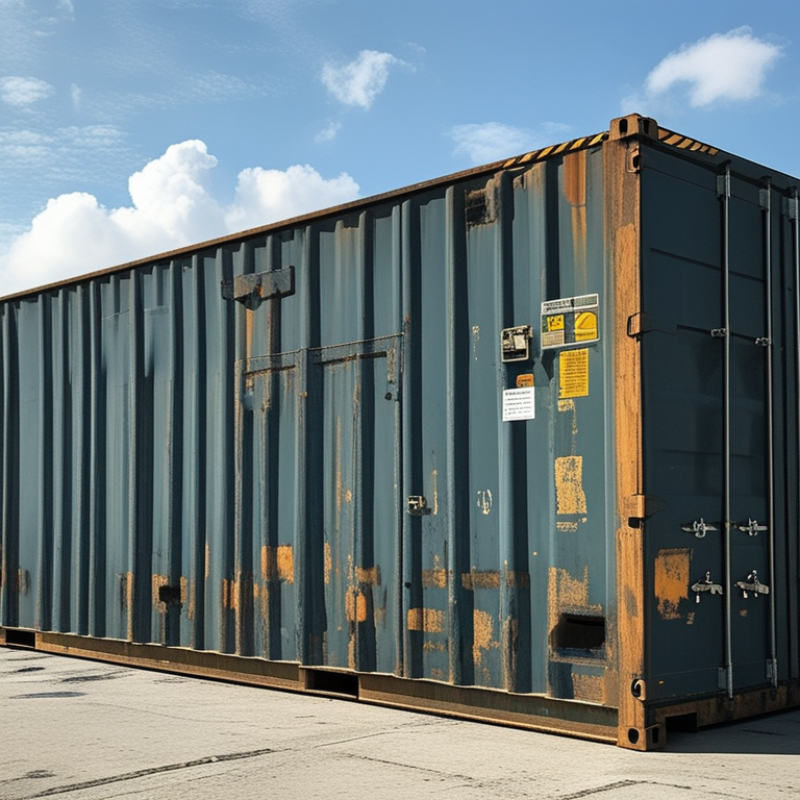
A 20ft container is usually 6,058 mm long and 2,438 mm wide externally under ISO 668. Its standard height is 2,591 mm. Internal space is typically about 5,898 mm long, 2,352 mm wide, and 2,393 mm high, although production tolerances can change these figures. Always check the container’s data plate. A drawing is not enough.
The standard dry container suits boxed goods, machinery, furniture, and palletized cargo that needs weather protection. Its practical capacity is close to 33 cubic meters. However, cargo weight often limits loading before volume does. A 20ft reefer uses insulation and cooling equipment for temperature-sensitive cargo, but its usable volume is smaller. It also needs a reliable power connection throughout the journey. That detail is easy to overlook.
Open-top containers work better for tall or awkward cargo loaded by crane. Flat racks suit heavy machinery, steel structures, and cargo wider than the internal walls. Tank containers are designed for approved liquids or gases and require strict technical checks. These are not interchangeable choices. Before booking, compare the cargo’s dimensions, center of gravity, loading method, ventilation needs, and verified gross mass with the container specification. I have seen plans fail because a crate fitted on paper but could not pass through the door opening. Leave working clearance. Measure twice, and question assumptions.
Check Internal Capacity: About 33 m³ and 5.9 m Usable Length
A standard 20ft dry container offers about 33 m³ of internal capacity. Its usable floor length is approximately 5.9 m. These figures come from common ISO 668 dimensions and container specifications used across global freight operations. However, internal measurements can vary slightly between units.
Measure the cargo before booking. A typical interior is about 5.90 m long, 2.35 m wide, and 2.39 m high. The door opening is smaller than the internal space. That difference matters when loading tall crates or rigid pallets. Leave room for corner protection, securing equipment, and safe door closure. A container may show 33 m³ on paper, yet awkward shapes can waste several cubic metres.
Drewry’s Container Census 2024 continues to measure fleet capacity in TEU, while UNCTAD’s Review of Maritime Transport uses the same 20-foot equivalent unit for global container statistics. These reports reinforce the 20ft box as the basic planning unit. In practical loading tests, pallet footprints often matter more than total volume. I have seen a layout fit mathematically but fail at the doors. Recheck the longest item, turning clearance, and weight distribution. Capacity is not only cubic space.
How to Choose the Right 20ft Container for Shipping? - Check Internal Capacity: About 33 m³ and 5.9 m Usable Length
| Data Dimension |
Typical Specification |
Why It Matters for Container Selection |
| Container Type |
20ft General Purpose Dry Container |
Suitable for general cargo that does not require temperature control, special ventilation, or open-top loading. |
| Internal Length |
About 5.90 m |
Check that the longest package, including clearance and securing space, fits within approximately 5.9 m of usable floor length. |
| Internal Width |
About 2.35 m |
Compare the cargo width with the container width and allow room for protective materials, lashing, and forklift handling. |
| Internal Height |
About 2.39 m |
Confirm that the packed cargo height leaves sufficient clearance for loading, unloading, and securing. |
| Approximate Internal Volume |
About 33.1 m³ |
The nominal volume is calculated from internal dimensions. Actual usable volume may be lower because of packaging, irregular shapes, and securing requirements. |
| Door Opening Width |
About 2.34 m |
The cargo must pass through the door opening, not just fit inside the container. |
| Door Opening Height |
About 2.28 m |
Check the height of loaded pallets, crates, and lifting equipment before booking the container. |
| Maximum Gross Weight |
Typically up to 30,480 kg |
This includes the container tare weight and cargo. The permitted limit must be confirmed from the container safety plate and applicable transport regulations. |
| Typical Tare Weight |
Approximately 2,200–2,400 kg |
Tare weight varies by construction and equipment. Subtract it from the maximum gross weight to estimate allowable cargo weight. |
| Indicative Payload |
Approximately 28,080–28,280 kg |
The actual cargo limit depends on the container’s tare weight, road weight limits, terminal rules, and shipping regulations. |
| Floor Area |
About 13.9 m² |
Useful for estimating pallet placement, floor loading, and whether the cargo can be arranged without excessive unused space. |
| Floor Loading Consideration |
Distribute weight evenly |
Heavy cargo should be positioned low, centered where possible, and secured to reduce shifting and excessive point loads. |
| Best Cargo Fit |
Dense, stackable, or moderately sized cargo |
A 20ft container is often efficient for heavy goods that may reach the weight limit before using all available volume. |
| Final Verification |
Check the actual container plate and carrier data |
Specifications can vary slightly. Confirm internal dimensions, tare weight, payload, door size, and permitted gross weight before shipment. |
Selection Tip: For accurate planning, compare the cargo’s packed dimensions and total weight with the container’s internal length of approximately 5.9 m, internal volume of about 33 m³, door opening, and verified payload limit.
Match Cargo Weight with the 30,480 kg Maximum Gross Mass
How to Choose the Right 20ft Container for Shipping?
A 20ft container may show a 30,480 kg maximum gross mass. This figure includes the container’s tare weight and all cargo inside. It does not mean you can load 30,480 kg of goods. Check the tare weight on the container plate, then subtract it from the gross limit. For example, a container weighing 2,300 kg leaves a theoretical cargo capacity of 28,180 kg.
Weight alone is not enough. Heavy machinery can create dangerous pressure on the floor or corner fittings. Distribute dense cargo across the floor, and keep the center of gravity low. Use suitable blocking, bracing, and approved lifting points. A few steel parts in one corner can shift the load during braking. That detail is easy to miss.
I have seen loading plans fail because the team trusted an old tare figure. Measure the actual cargo, packaging, pallets, and securing materials. Then verify the shipment weight with reliable equipment before dispatch. Transport routes may also impose lower limits than the container’s rating. Port rules and vehicle axle limits can change the practical capacity. My early checks focused too much on the container plate. That was incomplete. Inspect the floor, doors, seals, and corrosion before loading. Leave enough space for safe handling, even when the calculated weight appears acceptable.