
CUSTOMER ALERT Beware of fraudulent websites using our name. We do not sell on Craigslist or Facebook Marketplace. Report suspicious contacts to 713-670-8801.

Finding the right wide shipping container in 2026 is not simply a search for the largest box. Extra interior width can make room for shelving, workbenches, or equipment that would feel cramped in a standard unit. Yet a wider model may also need more space for delivery, placement, and access to its doors. Measure the intended site before comparing listings. Include gates, overhead clearance, and the truck’s approach route. Small details matter. A practical shortlist should compare usable interior dimensions, door openings, flooring condition, ventilation, and weather seals—not just exterior width. Photos can help, but they may hide rust beneath a floor or damage around a door frame.
This guide looks at seven wide shipping container options for sale and explains what each may suit, from storage and workshop use to larger project needs. The best choice depends on your cargo, site, budget, and plans for ventilation or insulation. Ask sellers for current measurements, clear condition photos, and delivery costs before making a decision. Specifications and availability can change, so confirm details in writing. A container that looks spacious online may feel different once shelves and equipment are inside. That trade-off is easy to miss. Treat the comparisons as a starting point, then check each unit against your own measurements and priorities.
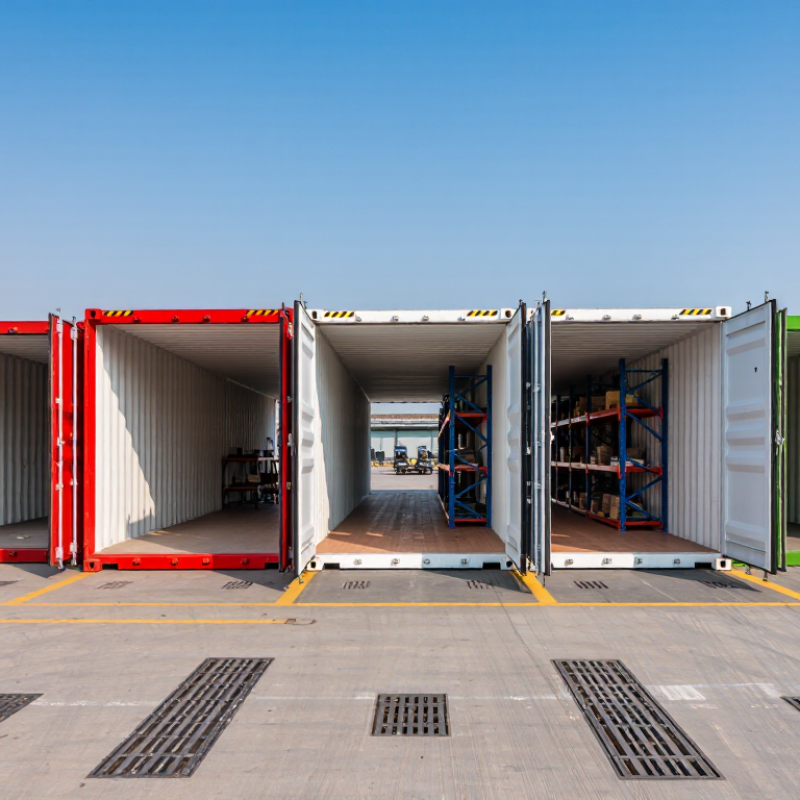
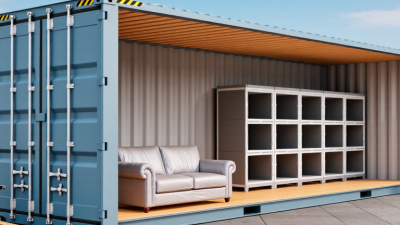
A wide shipping container is built wider than the common eight-foot exterior format. The term is descriptive, not a guarantee of one standard size. Some models are around ten feet wide, but measurements vary by design and supplier. That difference matters. Exterior width describes the shell; usable interior width is smaller because of the walls and framing. Door openings can also be narrower than the interior space.
The extra width can make it easier to store bulky equipment, arrange work areas, or move large items through the unit. Before choosing one, check the stated external and internal dimensions, door clearance, floor capacity, and delivery access. A container may look roomy in a listing, yet still leave little space around shelving or machinery. I would not judge fit from width alone; site access is easy to overlook.
Tips: Ask for a dimension drawing, then measure the widest item and its turning path. Confirm the loaded container can reach the placement area. A tape measure and a quick site sketch can prevent an expensive mismatch.
When comparing wide shipping containers for sale in 2026, check the internal dimensions, not just the advertised exterior width. Insulation, wall ribs, and door hardware can reduce usable space. Ask for measurements of the clear door opening, too; a wide interior is little help if bulky equipment cannot pass through. Measure twice. Check payload ratings against the weight of your intended cargo, and confirm whether the floor is level, dry, and free of soft spots. Door clearance matters.
Condition can vary more than listing photos suggest. Request recent images of the roof, corners, underside, seals, and floor, then ask how the unit was inspected. Look for corrosion around seams and daylight near closed doors.
A low price may reflect repairs or difficult delivery, not a bargain. Get delivery charges, placement requirements, and any site-access limits in writing. A truck needs room to turn, and uneven ground can complicate unloading.
Compare new and used units on the same specifications and condition details. I would still leave room for uncertainty: a photograph cannot reveal every hidden issue, so an in-person inspection is worthwhile when practical.
Seven Best Wide Shipping Containers for Sale in 2026
For buyers comparing the seven best wide shipping containers for sale in 2026, start with the cargo and the route. ISO 668 sets standard Series 1 container dimensions, including an external width of 2,438 millimetres. Wider units may need special handling or transport arrangements. Check door clearance, internal width, payload, and lifting points before ordering. Measure twice.
Useful options include 10-foot and 20-foot wide units for compact storage, plus 40-foot wide units for bulky loads. High-cube versions add vertical room for tall equipment. Side-opening models make pallet access easier, while insulated units help buffer temperature changes. These are configurations, not guarantees of universal compatibility. Ask for a dimensioned drawing and confirm whether the quoted width is internal or external.
The scale of freight matters, but it does not prove that any one container suits a site. UNCTAD’s Review of Maritime Transport 2024 reports that maritime trade reached 12.3 billion tonnes in 2023, up 2.4 percent from 2022. That figure signals the importance of shipping capacity, not demand for extra-wide boxes specifically. A practical buying check is to compare the container’s loaded weight with the delivery vehicle and ground surface. One detail is easy to miss: a wider body can make tight access roads a problem. Verify the route, loading method, and local site measurements before purchase.
Estimated floor area for nominal 10-foot-wide container layouts
Values are estimated footprints, calculated as nominal length × 10 feet wide. Lengths are planning examples, not a list of standardized models; 10-foot-wide containers are nonstandard, and available dimensions vary by supplier. Confirm external and internal measurements before purchasing.
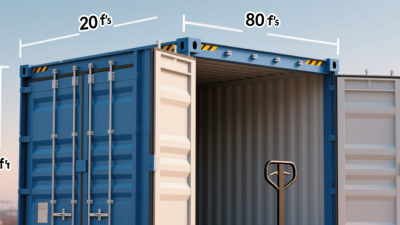
A wide container can mean a 10-foot-wide unit, not simply a standard box with extra interior room. ISO 668 sets the nominal width of standard Series 1 containers at 2,438 mm; a 10-foot unit is about 3,048 mm wide. That extra foot can help when storing bulky equipment, but check internal measurements: wall thickness and door framing reduce usable space. Height also matters. High-cube models add roughly 305 mm over standard-height units, useful for tall loads but not always necessary.
Condition changes the price as much as size. A new or “one-trip” container usually has cleaner floors, straighter doors, and fewer repairs; used units may show dents, patched panels, or surface rust. Container xChange’s 2024 market review highlights regional differences in container availability and pricing, so online prices are only a starting point. Ask for dated photos, a written condition grade, delivery charges, and confirmation that the doors seal. A low quote can grow quickly.
Tips: Measure the delivery route and placement area before ordering. Check ground clearance, overhead wires, and door swing. Get local quotes for the same dimensions and condition; compare delivered totals, not just the listed price. ISO dimensions are standardized, but “wide” labels and condition descriptions may not be. That part deserves a second look.
Choosing a wide shipping container starts with the load, not the listing. Measure the largest item, including handles, pallets, and loading equipment. Then check the clear doorway width; the advertised external width does not tell you how much usable space you get. Standard containers are generally about 8 feet wide externally, but interior dimensions vary by design and condition. Measure twice.
For palletized goods, sketch the loading pattern and leave room for a hand truck or forklift. For storage, check whether shelving, insulation, or ventilation will reduce the usable width. UNCTAD’s Review of Maritime Transport 2024 reported that global container-port throughput reached 858.9 million TEUs in 2023, up 2.4 percent from 2022. That scale makes careful equipment checks worthwhile, but it does not prove that any individual unit is sound. Ask for the exact internal dimensions, door opening, payload rating, and inspection history. Inspect the floor for soft spots and the doors for binding; a quick look can miss both. If the container will travel loaded, confirm its applicable certification and securement requirements with the seller or carrier. I would not rely on photos alone. Conditions can vary more than listings suggest.
| Container Type | Approx. Exterior Dimensions (L × W × H) | Approx. Interior Width | Typical Capacity | Best Suited For | Key Selection Consideration |
|---|---|---|---|---|---|
| 20 ft Pallet-Wide Standard | 20 ft × 8 ft 2 in × 8 ft 6 in (6.06 × 2.50 × 2.59 m) |
About 7 ft 10 in–8 ft (2.39–2.44 m) |
About 33 m³ | Compact storage and palletized freight where wider loading access matters. | Confirm the actual internal width and door opening; pallet-wide units are less commonly available than standard-width units. |
| 40 ft Pallet-Wide Standard | 40 ft × 8 ft 2 in × 8 ft 6 in (12.19 × 2.50 × 2.59 m) |
About 7 ft 10 in–8 ft (2.39–2.44 m) |
About 67 m³ | Longer palletized loads that need extra width without extra height. | Useful for compatible pallet layouts; check local transport limits and the container’s certified payload. |
| 45 ft Pallet-Wide High Cube | About 45 ft × 8 ft 2 in × 9 ft 6 in (13.72 × 2.50 × 2.90 m) |
About 7 ft 10 in–8 ft (2.39–2.44 m) |
About 86 m³ | High-volume palletized freight needing both additional length and greater internal height. | Check route, chassis, terminal, and delivery compatibility; 45 ft units are not accepted everywhere. |
| 40 ft Standard Dry Container | 40 ft × 8 ft × 8 ft 6 in (12.19 × 2.44 × 2.59 m) |
About 7 ft 8 in (2.35 m) |
About 67 m³ | General-purpose shipping and storage when a widely available, standard footprint is preferred. | Its interior is narrower than a pallet-wide unit; measure the cargo and loading equipment before ordering. |
| 40 ft High Cube Dry Container | 40 ft × 8 ft × 9 ft 6 in (12.19 × 2.44 × 2.90 m) |
About 7 ft 8 in (2.35 m) |
About 76 m³ | Bulky or tall cargo and storage where extra height is more important than extra width. | Provides roughly one foot more exterior height than a standard-height unit, not a wider interior. |
| 45 ft High Cube Standard-Width Container | About 45 ft × 8 ft × 9 ft 6 in (13.72 × 2.44 × 2.90 m) |
About 7 ft 8 in (2.35 m) |
About 86 m³ | Long, high-volume cargo when extra length and height are needed. | Availability and acceptance vary by route and location; verify usable interior dimensions and delivery access. |
| 53 ft Domestic High Cube Container | About 53 ft × 8 ft 6 in × 9 ft 6 in (16.15 × 2.59 × 2.90 m) |
About 8 ft 2 in (2.49 m) |
About 110 m³ | High-volume domestic road or rail freight where a longer, wider unit is supported. | Generally intended for domestic intermodal networks, not standard ocean-container transport; confirm road, rail, and site clearance. |
| Dimensions and capacities are approximate reference figures; specifications vary by manufacturer, model, age, and condition. Before purchase, confirm the exact internal dimensions, door opening, tare weight, payload, certification, condition, delivery access, and local transport requirements. | |||||
CUSTOMER ALERT Beware of fraudulent websites using our name. We do not sell on Craigslist or Facebook Marketplace. Report suspicious contacts to 713-670-8801.