CUSTOMER ALERT Beware of fraudulent websites using our name. We do not sell on Craigslist or Facebook Marketplace. Report suspicious contacts to 713-670-8801.

Choosing the best wide shipping container from China requires more than comparing prices online. A reliable decision begins with cargo dimensions, loading methods, transport routes, and local regulations. A wide shipping container can provide extra floor space for machinery, oversized furniture, retail fixtures, or carefully packed industrial materials. However, “wide” does not mean unlimited capacity. Door clearance, internal height, payload, and container weight still determine practical use.
Experienced buyers usually request technical drawings, steel specifications, coating details, and recent inspection records. They also verify whether the container meets CSC requirements and accepted international shipping standards. Photos help, but they can hide uneven floors, worn door seals, or corrosion around the corner castings. A factory video call and an independent pre-shipment inspection may reveal more. Small details matter.
Supplier quality varies.
The strongest manufacturers explain limitations clearly. They should confirm external and internal dimensions, plywood floor thickness, locking-bar performance, ventilation, and available customization. Ask how the container is tested before delivery, not only how it is advertised. Certifications deserve careful checking, because a document alone cannot prove consistent production quality.
There is no single best model for every buyer. A wider unit may reduce loading time, yet it can require special handling or create route restrictions. Freight costs, port acceptance, inland delivery, and future resale value should be considered together. This guide examines practical container types, manufacturing quality, inspection methods, and supplier selection. It also questions common assumptions, because the cheapest quotation may become the most expensive choice after delivery.
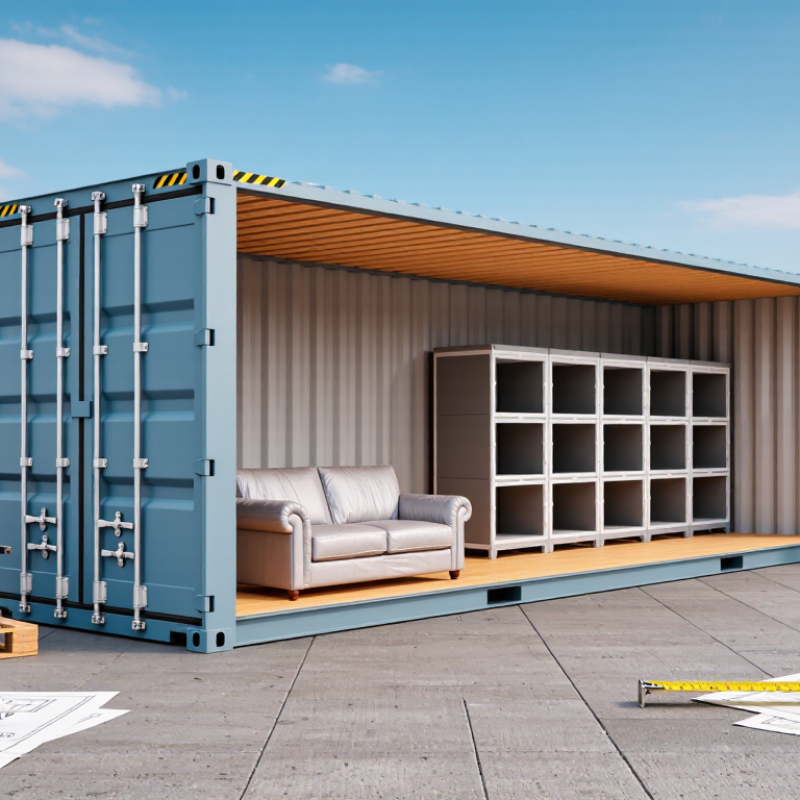
What Is the Best Wide Shipping Container from China?
A wide shipping container is designed to provide more usable interior width than a standard unit. The term is not perfectly standardized. In many Chinese supplier catalogs, “wide” may describe a pallet-wide container, a special project unit, or simply a high-capacity model. Buyers should request a technical drawing, not rely on the product name.
A standard container is usually about 2.44 meters wide externally, with an internal width near 2.35 meters. A pallet-wide model may reach roughly 2.50 meters inside, allowing common pallets to fit with less wasted space. Typical lengths include 6, 12, and 13.7 meters. High-cube versions are about 2.90 meters high externally, offering extra vertical storage. Measurements can vary slightly.
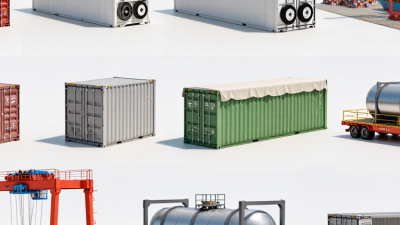
Several main types serve different handling needs. A pallet-wide container suits warehouse goods and frequent pallet loading. An open-side model provides nearly full-length access for bulky equipment. An open-top design helps load tall or awkward cargo with lifting machinery. A refrigerated unit controls temperature but needs reliable power and regular servicing. For many projects, a high-cube pallet-wide container offers the best balance of space and handling efficiency. That is not always true. Road limits, crane access, floor strength, door size, and delivery routes can change the decision. Ask for payload, tare weight, steel grade, floor details, and inspection records. A lower price can hide weak doors or poor corrosion protection. The container should fit the operation, not just the quotation.
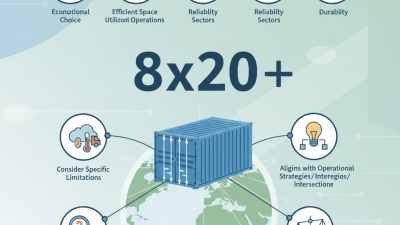
Choosing the best wide shipping container from China starts with your cargo, not the advertised price. Measure the longest, widest, and highest items, including packaging. A few extra centimeters can prevent loading problems. Check the internal width, door opening, floor strength, and maximum payload. Wide containers may offer more usable space, but not every port, chassis, or vessel handles them easily. Confirm transport compatibility before placing an order.
Material quality also matters. Look for weather-resistant steel, strong corner posts, secure locking bars, and treated wooden flooring. Ask for manufacturing records, inspection reports, and valid safety certification. An experienced supplier should provide clear drawings and loading specifications. Photos are useful, but they can hide worn seals or uneven floors. A third-party inspection before shipment is often worth the cost. I have seen buyers focus on external dimensions and overlook door clearance. That mistake can delay an entire loading plan.
Tips: Compare several quotations using the same specifications. Request close-up photos of hinges, seals, welds, and floor edges. Confirm paint treatment and corrosion protection. Check whether replacement parts are available near your destination. Also, calculate inland delivery charges and port handling fees in advance. The cheapest unit may become expensive after modifications, storage, and special transport. Recheck every measurement. Small errors matter.
For a wide shipping container from China, material choice should come before appearance. Corten steel offers strong weather resistance and tolerates repeated handling. Its surface may show small rust marks, though. That is not always structural damage. Inspect the corner castings, roof seams, and bottom rails carefully.
The floor usually combines treated bamboo panels with steel cross-members. Ask for moisture resistance data and formaldehyde testing records. A side-opening design improves access for pallets and long equipment. However, its extra doors create more sealing points. Rubber gaskets must compress evenly, especially around the lower corners. UNCTAD’s Review of Maritime Transport 2024 recorded about 858 million TEUs of global container port throughput in 2023. That volume explains why doors, locks, and corner fittings need practical durability, not decorative upgrades.
Manufacturing standards provide the clearest comparison. ISO 668 defines external dimensions, while ISO 1496-1 covers strength and testing requirements for general cargo containers. The CSC safety plate confirms authorization for international transport. I would request welding inspection records, coating-thickness measurements, dimensional reports, and a load-test certificate. China’s national container standards can support production control, but paperwork alone cannot reveal a poor weld. A 40-foot wide-body unit should arrive with straight doors, dry flooring, and consistent paint coverage. One detail is easy to miss: inspect inside the roof channels after rain. Suppliers may meet the specification, yet still overlook drainage.
| Container Type | Typical External Dimensions | Primary Material | Design Characteristics | Typical Payload Range | Best-Suited Cargo | Key Standards and Checks |
|---|---|---|---|---|---|---|
| 40-Foot High Cube | Length: 12.192 m Width: 2.438 m Height: 2.896 m |
Corten weathering steel frame and panels; marine-grade plywood floor | Approximately 300 mm taller than a standard-height container; four side-wall corner posts; double cargo doors at one end | About 26,000–28,500 kg, depending on tare weight and the certified maximum gross mass | High-volume general cargo, machinery components, furniture, packaged goods, and palletized products | ISO 668 ISO 1496-1 CSC safety approval, door and floor inspection, watertightness test |
| 45-Foot High Cube Pallet-Wide | Length: 13.716 m Width: approximately 2.500 m Height: 2.896 m |
Weathering steel structure with reinforced floor and side-wall assemblies | Wider internal layout than standard containers; designed to improve pallet utilization; availability depends on route and carrier acceptance | Commonly around 27,000–29,000 kg, subject to the container plate and transport regulations | European-sized pallets, retail distribution loads, lightweight bulky cargo, and high-volume packaged products | ISO 668 CSC approval, verified corner fittings, structural load testing, road and rail compatibility review |
| 40-Foot Wide-Body Container | Typical length: 12.192 m External width: about 2.500–2.550 m Height: commonly 2.591 or 2.896 m |
Corrosion-resistant weathering steel; plywood or composite flooring | Extra internal width compared with standard ISO units; may use specialized corner fittings or route-specific handling arrangements | Often approximately 26,000–28,500 kg, based on tare weight and approved gross mass | Wide machinery, oversized packaged equipment, modular components, and cargo requiring reduced aisle gaps | CSC approval where applicable, dimensional compatibility confirmation, corner-fitting verification, and lifting-point inspection |
| 40-Foot Open-Side Container | Length: 12.192 m Width: 2.438 m Height: 2.591 m or 2.896 m |
Weathering steel body with multiple side doors, steel door frames, and marine-grade flooring | Full or extended side opening improves loading access; requires additional door hardware and sealing points | Generally about 25,000–28,000 kg, depending on door reinforcement and tare weight | Long, wide, fragile, or difficult-to-handle goods; machinery and cargo loaded by forklift from the side | ISO 1496-1 Door-cycle testing, seal inspection, deflection testing, floor load verification, and CSC compliance |
| 40-Foot Flat Rack | Length: 12.192 m Width: 2.438 m Height: commonly 2.591 m when folded or configured |
Heavy-duty steel platform, reinforced end walls, and steel lashing points | Open top and open sides; fixed or collapsible end walls; engineered lashing rings for concentrated or oversized cargo | Payload can range from approximately 30,000 kg to more than 40,000 kg, depending on design and certification | Heavy machinery, steel structures, vehicles, pipes, tanks, and cargo exceeding standard container dimensions | ISO 1496-5 Platform load testing, lashing-point certification, corner-post inspection, and securing-plan verification |
| 40-Foot Platform Container | Length: 12.192 m Width: 2.438 m Low-profile platform configuration |
Reinforced structural steel platform with heavy-duty cross members | No side walls or roof; intended for very heavy or over-width cargo that cannot fit inside an enclosed container | Usually designed for high concentrated loads; allowable payload must be confirmed from the individual data plate | Transformers, industrial modules, oversized machinery, and project cargo | ISO 1496-5 Concentrated-load testing, twist-lock compatibility, lashing-point inspection, and route clearance assessment |
| 40-Foot Refrigerated High Cube | Length: 12.192 m Width: 2.438 m Height: 2.896 m |
Insulated stainless-steel or coated panels, aluminum components, and refrigerated machinery | Thermally insulated interior with controlled-airflow design; powered refrigeration unit; thicker walls reduce usable internal width | Typically around 25,000–27,000 kg, depending on equipment, fuel, and tare weight | Temperature-sensitive food, pharmaceuticals, chemicals, and other controlled-temperature cargo | ISO 1496-2 Temperature calibration, insulation testing, leak testing, machinery inspection, and CSC approval |
| 40-Foot Double-Door Container | Length: 12.192 m Width: 2.438 m Height: 2.591 m or 2.896 m |
Weathering steel body, marine-grade plywood floor, and reinforced door assemblies at both ends | Doors at both ends allow pass-through loading and unloading; additional doors increase sealing and maintenance requirements | Commonly approximately 26,000–28,500 kg, subject to the certified maximum gross mass | Long products, construction materials, pipes, bundled goods, and cargo requiring flexible access | ISO 1496-1 Both door sets tested for operation and sealing; structural, floor, and CSC inspections required |
Choosing the best wide shipping container from China starts with supplier verification, not attractive pricing. Ask for the company’s registration details, production address, export history, and quality certificates. A factory visit, live video inspection, or independent audit can expose gaps between trading offices and manufacturers. Request drawings with external dimensions, internal width, payload, steel grades, coating system, and allowable tolerances. Wide containers may require route checks, because road and port limits differ by destination.
Quality evidence should be specific. Request recent photos of corner castings, door locking bars, roof seams, floor boards, and welds. Look for continuous welds, even paint coverage, straight panels, and clean drainage points. Rust under fresh paint is a warning sign. Ask for material certificates and weld inspection records, then verify samples through a third-party inspector. A pre-shipment inspection should measure dimensions and door operation, not merely count units. Check that markings and documents match the agreed specification and local transport requirements.
Supplier communication also reveals reliability. Strong Chinese suppliers answer technical questions clearly and record every change in a signed specification. They explain lead times, replacement procedures, packing, and after-sales responsibility without vague promises. Avoid choosing on price alone. The cheapest frame may create expensive delays. A common buying mistake is focusing on exterior appearance while overlooking floor deflection or door alignment. That mistake is easy to repeat. Leave room for doubt, and test the details that photographs cannot prove.
Choosing a wide shipping container from China requires more than comparing the factory price. Confirm the external width, internal clearance, door opening, floor strength, and corner casting condition. A few centimeters can affect port handling and final placement.
Ask for a complete quotation, not only the container cost. Important charges may include inland transport, export handling, ocean freight, insurance, import duty, value-added tax, customs clearance, port storage, and local delivery. Request the shipping term in writing. FOB, CIF, and DDP can create very different responsibilities and final costs. Customs rules also vary by destination, so verify tariff codes and required documents with a licensed broker.
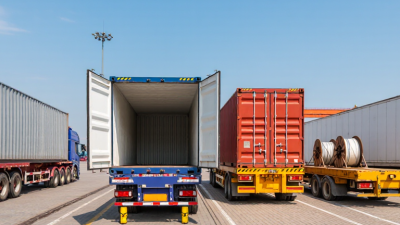
Delivery planning needs realistic timing. Production may take several weeks, while vessel schedules can change because of weather, congestion, or inspections. A wide container may need special transport equipment or route approval at the destination. Measure gates, bridges, turning areas, and unloading space before payment. A site can look accessible but fail at the final corner.
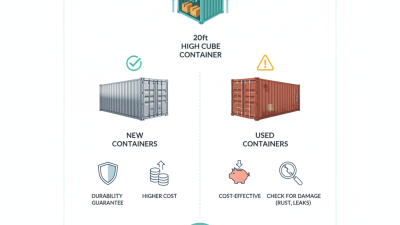
Inspect photos carefully. Check welds, door seals, flooring, corrosion, and locking bars. Ask for the container’s age and repair history. New units usually cost more but reduce early maintenance risks. Used units may be economical, although hidden floor damage is easy to miss. I have seen buyers focus on freight savings and overlook local crane charges. That mistake can exceed the original discount. Leave a reasonable contingency, because estimates are never perfectly complete.
CUSTOMER ALERT Beware of fraudulent websites using our name. We do not sell on Craigslist or Facebook Marketplace. Report suspicious contacts to 713-670-8801.