CUSTOMER ALERT Beware of fraudulent websites using our name. We do not sell on Craigslist or Facebook Marketplace. Report suspicious contacts to 713-670-8801.

Choosing the best 8x20 shipping container for sale in 2026 requires more than comparing online prices. Buyers need a practical inspection plan, reliable specifications, and realistic delivery calculations. An 8x20 shipping container usually measures about 20 feet long, 8 feet wide, and 8 feet 6 inches high. That footprint can hold equipment, stock, workshop materials, or household items. Space disappears quickly, though.
Marc Levinson, economist and author of The Box, wrote, “The container made shipping cheaper, faster, and more reliable.” His research explains why container design still influences modern logistics. That principle also applies to private buyers. A lower purchase price means little if the doors leak or the floor feels weak.
Look closely.
This guide evaluates 2026 models through an experienced buyer’s lens. It considers steel condition, corner castings, door seals, locking bars, ventilation, flooring, and delivery access. A fresh-looking exterior may hide corrosion beneath the paint. I have seen buyers focus on color, then discover stiff doors after placement. That mistake is avoidable.
The best 8x20 shipping container depends on your location and intended use. Wind, rain, ground conditions, and loading frequency all matter. A cargo-worthy unit may suit repeated transport. A wind-and-watertight unit may better fit stationary storage. These labels can vary between sellers, so photographs and inspection records deserve careful attention.
No single model wins every situation. That is the honest part. This comparison highlights strong options, common weaknesses, and details that deserve a second look before purchase.
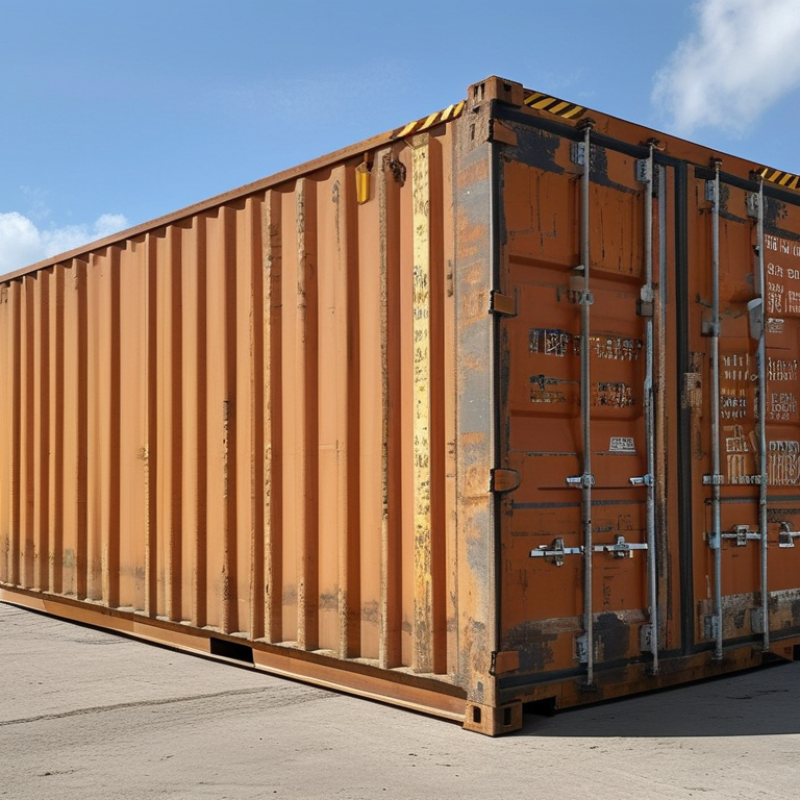
A 2026 8x20 shipping container usually means a standard 20-foot container. “8x20” describes its approximate width and length, not a new ISO category. Under ISO 668:2020, the typical external dimensions are 6,058 millimeters long, 2,438 millimeters wide, and 2,591 millimeters high. That equals roughly 20 feet by 8 feet by 8 feet 6 inches. The internal space is usually about 5,898 millimeters long and 2,350 millimeters wide. Its practical capacity is close to 33 cubic meters, although wall thickness and floor design create small differences.
The door opening often measures about 2,340 millimeters wide and 2,280 millimeters high. A normal unit may weigh approximately 2.2 to 2.4 tonnes empty, while its marked maximum gross weight can reach 30,480 kilograms. Buyers should check the data plate, corner fittings, floor condition, and door seals. I have seen listings use “8x20” loosely. Measure the actual unit. UNCTAD’s Review of Maritime Transport 2024 reported 12.3 billion tonnes of seaborne trade in 2023, showing why standardized container dimensions remain important across global logistics. However, ISO size does not guarantee good condition. Rust around the lower rails, soft plywood, or misaligned doors can reduce usability. A 2026 sale date also does not prove recent manufacture. Check the build year, inspection markings, and weather-tightness before purchase.
A 2026 8x20 shipping container is typically based on the standard 20-foot dry-container format. ISO 668:2020 defines the common external dimensions and maximum gross ratings used in intermodal transport. Many units show a 30,480 kg gross weight limit. That figure includes the container itself, cargo, pallets, and securing materials. It does not mean you can load 30,480 kg of goods.
Payload is calculated by subtracting tare weight from gross weight. For example, a container weighing 2,300 kg may offer about 28,180 kg of theoretical payload. Actual capacity can be lower because of floor strength, axle limits, port rules, and uneven cargo distribution. The 2024 UNCTAD Review of Maritime Transport highlights continuing pressure on global container logistics, making accurate cargo planning increasingly important. In practice, a small weight error can delay handling. I have seen estimates fail when packaging was ignored.
Tips: Read the door safety plate before loading. Weigh the empty unit if its tare value seems unclear. Distribute heavy items across the floor, not against one wall. Leave clearance for doors and lashing points. A payload calculation is only a starting point. Local road limits may control the final legal weight.
| Data Category | Specification | Metric Equivalent | Practical Meaning |
|---|---|---|---|
| Container Type | Standard dry freight container | 20-foot general-purpose unit | Suitable for packaged cargo, machinery, household goods, and general freight |
| Nominal Size | 20 ft long × 8 ft wide × 8 ft 6 in high | 6.096 m × 2.438 m × 2.591 m | Common external dimensions for a standard 20-foot container |
| Approximate Internal Length | 19 ft 4 in | 5.898 m | Usable floor length before loading |
| Approximate Internal Width | 7 ft 8 in | 2.352 m | Interior width available for pallets and cargo placement |
| Approximate Internal Height | 7 ft 10 in | 2.393 m | Vertical clearance inside the standard-height unit |
| Internal Cubic Capacity | Approximately 1,172 cubic ft | Approximately 33.2 m³ | Maximum theoretical volume; packaging and securing reduce usable space |
| Door Opening | Approximately 7 ft 8 in wide × 7 ft 5 in high | Approximately 2.340 m × 2.280 m | Cargo must fit through the door, not only inside the container |
| Maximum Gross Weight | 30,480 kg | 67,200 lb | Total permitted weight of the container, cargo, packing, and securing materials |
| Typical Tare Weight | Approximately 2,200–2,400 kg | Approximately 4,850–5,290 lb | Actual tare weight is shown on the container safety approval plate |
| Estimated Maximum Payload | Approximately 28,080–28,280 kg | Approximately 61,905–62,345 lb | Calculated as gross weight minus the actual tare weight |
| Payload Formula | Payload = 30,480 kg − tare weight | Example: 30,480 − 2,300 = 28,180 kg | Always use the marked tare weight of the selected container |
| Floor Area | Approximately 151.6 sq ft | Approximately 14.0 m² | Useful footprint for pallets, crates, shelving, and equipment |
| Loading Capacity Example | Up to about 11 standard 1.2 m × 1.0 m pallets, depending on arrangement | Layout-dependent | The number depends on pallet dimensions, cargo height, access space, and weight distribution |
| Weight Distribution Requirement | Spread cargo evenly across the floor | Avoid concentrated point loads | Even distribution helps protect the floor, frame, and lifting equipment |
| Road Transport Check | Verify local axle, vehicle, and route limits | Regulations vary by jurisdiction | The container rating may exceed the legal limit for a particular road vehicle or route |
| Important Verification | Check the safety approval plate and shipping documents | Specifications may vary by unit | Confirm dimensions, tare, gross weight, payload, and inspection status before purchase or loading |
An 8x20 shipping container is only durable when its steel, frame, and testing match real service conditions. Weathering steel, often called Corten-type steel, is widely used for corrugated walls and roofs. Its protective patina develops through repeated wet and dry exposure. It will not protect hidden rust, standing water, or damaged coatings.
The frame needs stronger structural steel, commonly an S355-class equivalent, around corner posts, rails, and cross-members. Exact grades vary by manufacturer, so the data plate matters more than sales language. ISO 668 defines standard external dimensions, while ISO 1496-1 covers stacking, lifting, racking, and floor-load tests. Many standard 20-foot units carry a maximum gross mass near 30,480 kilograms. The actual rating must be verified on the container plate.
The World Steel Association’s World Steel in Figures 2024 reported global crude steel production above 1.8 billion tonnes in 2023. That scale supports steel’s established supply chain, but it does not guarantee quality. IICL inspection guidance places practical attention on corner castings, welds, door hardware, seals, floors, and undercarriage corrosion. Inspectors should check the underside with a torch, not only the painted walls. Marine plywood floors around 28 millimeters are common, yet moisture damage can hide beneath cargo residue. No grade is magic. A thicker panel may still fail when drainage is poor, welds are uneven, or repairs ignore load paths.
When comparing an 8x20 shipping container, check more than the selling price. New units usually offer cleaner floors, tighter door seals, and fewer repairs. Used units can cost less, but inspect every corner carefully. Look for rust bubbles, bent rails, pinholes, and water stains beneath the plywood floor. Open both doors. They should swing smoothly and close evenly.
A standard 8x20 container usually provides about 160 square feet of floor space. A high-cube version adds roughly one foot of interior height. That extra clearance helps with shelving, insulation, and bulky equipment. Measure the internal height, not just the advertised exterior size. Roof bows and floor thickness reduce usable space. Small details matter.
Modified units require the closest inspection. Windows, personnel doors, vents, electrical fittings, and insulation should be professionally installed. Check welds for clean lines and inspect cut edges for early corrosion. Ask for modification drawings, material details, and evidence of water testing. I would also verify the floor loading, door clearance, and delivery access before ordering. A low price can hide expensive corrections. I once underestimated the impact of a slightly uneven site. The container looked perfect. Placement became difficult. That mistake still influences my buying checklist.
How to Compare New, Used, High-Cube, and Modified 8x20 Units
A standard 8x20 container typically provides about 1,170 cubic feet of interior volume, while an 8x20 high-cube unit provides approximately 1,320 cubic feet because of its extra interior height. New and used units normally share the same nominal dimensions, but used containers may have reduced usable capacity because of dents, corrosion, repairs, or flooring wear. Modified units vary according to insulation, doors, windows, electrical systems, and interior lining.
A reliable 8x20 container begins with its CSC plate. Check the plate before discussing price. It should show the manufacturer, identification number, maximum gross weight, and inspection details. Confirm that the plate is readable and matches the container’s records. A valid CSC approval may matter for international transport, but requirements can vary by destination and cargo route. Ask the seller for current inspection evidence, not only a photograph.
Wind-water tightness needs a close physical inspection. Look beneath the roof seams, around corner posts, and inside the door gaskets. Rust bubbles, bent rails, or daylight around closed doors deserve attention. A controlled hose test can reveal leaks, if the seller permits it.
Check the plywood floor for soft areas and chemical odors. Small marks are normal. Active leaks are not. My own inspection mistake was trusting a clean exterior while missing a damaged lower seal.
Delivery costs can change the final price sharply. Request a written quote covering freight, permits, unloading equipment, fuel charges, and waiting time. Measure the entrance, turning space, overhead clearance, and ground firmness. A narrow gate may require extra handling or a different truck. Ask how the container will be placed and whether the site needs leveling. I once underestimated delivery distance; the container price looked fair, but access fees changed the calculation. Get every assumption in writing.
CUSTOMER ALERT Beware of fraudulent websites using our name. We do not sell on Craigslist or Facebook Marketplace. Report suspicious contacts to 713-670-8801.