What Is the Best 20ft Storage Container from China?
Choosing the best 20ft storage container from China depends on how you will use it, not just its price. Will it hold tools at a worksite, seasonal stock, or household furniture? Each use places different demands on access, weather protection, and floor strength. A good-looking exterior is only a starting point.
A 20ft storage container should have doors that open smoothly, intact seals, and a floor without soft or damaged sections. Check the roof and corner castings for dents or corrosion. Small details matter. Ask the supplier for the container’s condition grade, exact dimensions, payload information, and clear photos of the unit you will receive. For a new unit, request material and coating specifications. For a used one, ask about repairs and previous condition. Paperwork helps, but it cannot replace a careful inspection.
When comparing Chinese suppliers, check their production or inspection process, shipping arrangements, and after-sales support. Get the quoted specifications in writing. Transport geographer Jean-Paul Rodrigue’s work examines how container systems serve different transport needs. A practical paraphrase of that perspective is: “Choose the container for the task, not the label.” Even a careful checklist has limits; photos may miss a warped door or a damp interior. If possible, arrange an independent inspection before shipment. The best choice is the unit whose condition, dimensions, and documented details match your actual storage needs—not simply the lowest quote.
What a 20ft Storage Container from China Is
What Is the Best 20ft Storage Container from China?
A 20ft storage container from China is a steel unit manufactured or supplied there for storing and transporting goods. The term usually describes its nominal length, not one exact design. A standard unit measures about 6.1 metres long, 2.4 metres wide, and 2.6 metres high externally. High-cube versions are taller, so check the specification rather than relying on the label.
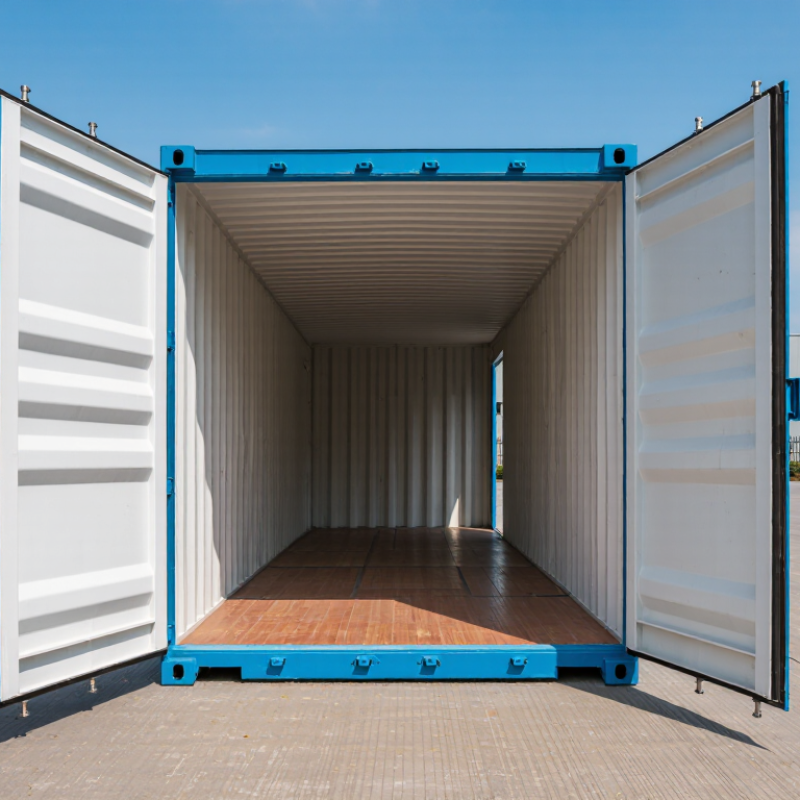
Most units have corrugated steel walls, double doors at one end, and a strong floor supported by a steel frame. The doors open wide, but their clear opening is smaller than the container’s full width. That matters when loading pallets or bulky equipment. For storage, inspect the floor for soft spots, the door seals for gaps, and the roof and seams for rust or leaks. Small details matter.
A container’s condition can vary, even when two units share the same stated dimensions. New units generally have less wear; used ones may show dents, repairs, or faded paint. Ask for internal measurements, recent photographs, and clear details about condition and delivery access. A dry-looking interior is reassuring, but it is not proof of weather-tightness. I would still check it in person when possible.
Common Types and Specifications of 20ft Storage Containers
A 20ft storage container usually refers to a standard dry unit, measuring about 6.06 metres long and 2.44 metres wide externally. Interior dimensions are smaller, often around 5.9 by 2.35 metres, and vary by construction. Check the specification plate: tare weight, maximum gross weight, and payload are not identical across units. Measure your largest item before ordering. A few centimetres matter.
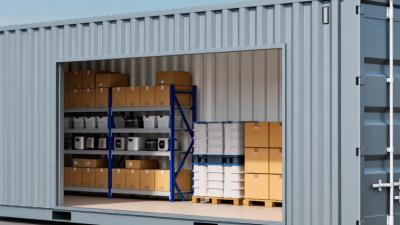
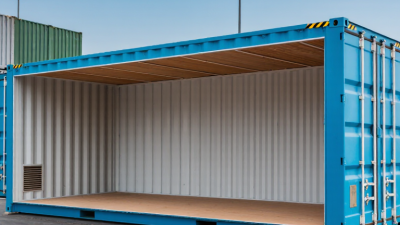
Common options include standard dry, high-cube, double-door, and side-opening containers. A high-cube model offers extra vertical space, while double doors can make loading easier from either end. Side-opening designs provide wider access, but their door hardware needs room to swing. Insulated units may help moderate temperature changes; they do not guarantee stable conditions. In real storage planning, airflow and moisture control are easy to overlook. That can become a problem. Inspect the floor, roof seams, door seals, and locking bars, and ask for clear photos if buying remotely.
Tips: Confirm both external and internal dimensions, including door-opening size. Check for standing water, rust-through, and musty odours. Leave a small air gap around stored goods, and avoid placing heavy items on weak floor areas. Specifications can look tidy on paper, but condition varies.
Key Criteria for Comparing Container Quality and Features
When comparing a 20-foot storage container from China, look beyond its painted exterior. Check the steel panels, corner posts, and cross-members for dents, corrosion, uneven welds, or fresh paint that may hide repairs. Ask for the steel thickness and floor-load rating in writing, then compare those details with your intended use. Small details matter.
Open and close both doors several times. They should swing without scraping, and the locking bars should turn smoothly. Inspect the rubber seals for gaps, cracks, or flattened sections. A container can look sound and still let in rain. Ask for clear photos of the roof, floor, underside, and door frame, plus a recent inspection report. If possible, arrange an independent inspection before shipment.
Also confirm the usable interior dimensions, ventilation options, and any repair history. A dry, clean plywood floor may suit general storage, while heavier equipment needs a floor rating that matches its weight. Compare the delivered cost, not just the quoted container price; transport, unloading, and site access can change the total. I would not rely on a seller’s “weatherproof” label alone. Request evidence of a water test, and check the container yourself on arrival. One imperfect detail can matter.
How to Choose the Best Container for Your Storage Needs
Choosing a 20ft container starts with measuring the items and the space around them. Under ISO 668, a standard unit is about 6.06 metres long and 2.44 metres wide externally. Internal dimensions are smaller, often around 5.9 by 2.35 metres, and vary with construction. Leave room for door clearance, ventilation, and safe access to stored goods. A packed floor can look efficient but make everyday retrieval frustrating.
Check the container’s condition, not only its advertised capacity. Look for daylight through roof seams, soft flooring, damaged door seals, and doors that resist opening. The BIC Container Census 2023 estimated the global container fleet at 50.9 million TEU in 2022; standard sizes are widespread, but age and condition still differ. Ask for recent photographs, a clear condition report, and confirmation of usable internal measurements. I would also allow extra space for awkward shapes; my first layout is rarely perfect.
Tips: Measure twice. Mark the intended footprint on the ground, then test your largest item against the door opening. For damp-prone goods, consider a ventilated unit and keep cartons off the floor. Don’t rely on nominal volume alone.
What Is the Best 20ft Storage Container from China?
Compare typical internal storage volume to help choose the right 20ft container.
A 20ft high-cube container typically offers more interior volume because it is taller than a standard 20ft dry container. These figures are approximate; actual internal dimensions vary by manufacturer and model. Before buying, also check the container’s condition, door opening, floor, and weather seals.
What to Check When Sourcing and Shipping from China
What Is the Best 20ft Storage Container from China?
What to Check When Sourcing and Shipping from China
The best 20ft container is one that suits your cargo, inspection needs, and delivery route. A standard unit is about 6.06 metres long externally, but usable space varies by design and condition. Ask for the exact internal dimensions, door opening, tare weight, and payload shown on the unit’s data plate. Check that the floor is sound, doors close evenly, and seals show no obvious damage. Photos help. A live inspection is better.
Tips: Request recent photos of all sides, the roof, floor, and door seals. Confirm whether the quote includes inland transport, port handling, and destination charges. Ask who arranges export documents and when the container will be available. Get each answer in writing.
Shipping costs can change with route, season, and carrier availability, so compare itemised quotes rather than headline prices. Confirm the loading location, estimated transit time, and who pays for delays or storage. For a used unit, request its inspection records and clarify what “wind and watertight” means in the seller’s terms. I would still budget for small repairs; a clean photo can hide a stiff door or worn floor. Check current requirements with your freight forwarder before booking.