How to Choose a 20 Foot High Cube Container?

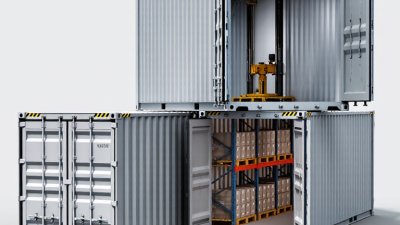
Choosing a 20 foot high cube container begins with one practical question: what must it carry, and under which conditions? A high cube container provides extra internal height compared with a standard 20-foot unit. That additional space can protect tall machinery, stacked cartons, and bulky retail fixtures. It can also create a false sense of capacity. More height does not automatically mean more usable volume.

Lars Jensen, a respected container-shipping analyst, offers a useful reminder: “The right equipment depends on the cargo, the route, and the operational plan.” That principle should guide every purchase or rental decision. Check internal dimensions, door opening size, maximum payload, floor condition, and ventilation. Measure the actual cargo, including pallets, protective packaging, and loading clearance. A few centimeters can change the entire plan.

Condition matters more than attractive photographs. Inspect the roof for daylight, the doors for alignment, and the flooring for damaged boards or chemical odors. Confirm the container’s identification plate and inspection records with a reputable supplier. The corner posts should look straight. The locking bars should operate smoothly. Small defects can become expensive delays.

A 20 foot high cube container may suit a compact shipment, workshop, or storage project, but it is not always the best choice. Height can improve loading efficiency, while limited floor area may restrict long cargo. I would not choose by volume alone. Transport access, handling equipment, local site conditions, and future use deserve equal attention. The perfect specification rarely exists. A careful compromise usually does.
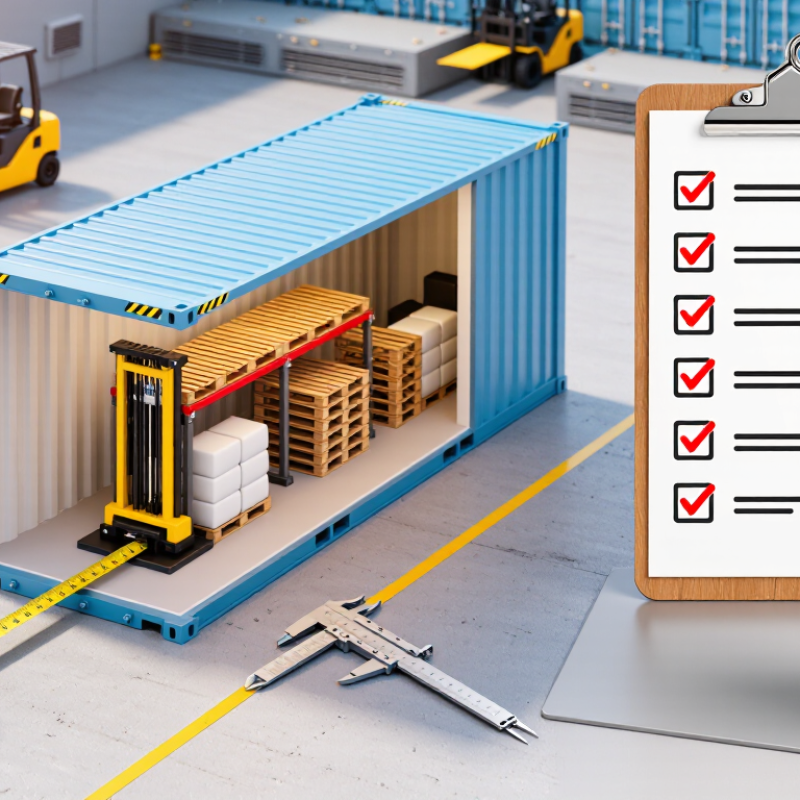
How to Choose a 20 Foot High Cube Container?

Understand 20-Foot High Cube Container Dimensions and Capacity

How to Choose a 20 Foot High Cube Container?

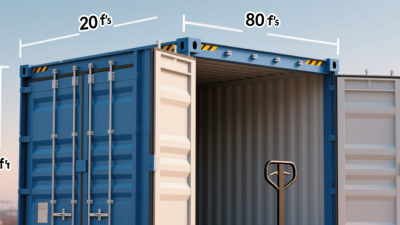
A 20-foot high cube container offers extra vertical space for dense or bulky cargo. Under ISO 668:2020, its external dimensions are approximately 6.058 meters long, 2.438 meters wide, and 2.896 meters high. The internal height is usually about 2.690 meters, compared with roughly 2.390 meters in a standard container. That extra 300 millimeters can accommodate taller pallets, machinery, or stacked cartons.

The typical internal length is 5.896 meters, while the internal width is near 2.350 meters. Reported internal volume is about 37.4 cubic meters, according to technical container specifications referenced by the International Institute of Marine Surveying.

Door clearance is usually close to 2.340 meters wide and 2.580 meters high. Check the actual unit, though. Manufacturing tolerances and repairs can reduce usable space.

Weight planning matters more than volume. A high cube commonly has a tare weight near 2.3 metric tons and a maximum gross mass around 30.48 metric tons, subject to its safety plate and CSC inspection status. The payload may therefore approach 28 metric tons, but road and rail limits can be lower.

The UNCTAD Review of Maritime Transport 2024 shows how containerized trade depends on standardized equipment, yet standard dimensions do not guarantee identical capacity. I would leave clearance around doors and walls. Perfect cube calculations rarely survive real loading.

Define Your Cargo Requirements and Loading Conditions

How to Choose a 20 Foot High Cube Container?

Choosing a 20 foot high cube container starts with the cargo, not the container label. Measure each item, including pallets, cartons, handles, and protective padding. A high cube offers extra vertical clearance, but usable space depends on doors, floor height, and internal fittings. Request the container’s actual dimensions before booking.

Consider how the cargo will be loaded and unloaded. Forklift access, pallet orientation, and aisle space can change the required layout. Heavy machinery may need stronger floor support and careful weight distribution. Keep dense items low and near the center. Uneven loading can make handling unsafe.

Think about cargo protection, too. Sensitive goods may need ventilation, moisture barriers, or blocking materials. Leave enough clearance around fragile surfaces. I once focused only on total volume and missed the turning space needed for a pallet jack. That shortcut caused unnecessary rearrangement. Measure the loading path at the warehouse, not only the cargo itself. Short doors can matter.

Check the maximum permitted payload and confirm the container’s inspection condition. Look for damaged flooring, poor door seals, and visible corrosion. Loading plans should match the cargo’s weight, shape, and handling equipment. A simple sketch with measurements often reveals problems before transport begins.

Compare Container Materials, Features, and Door Configurations

Choosing a 20-foot high cube container starts with material, not paint color. ISO 668 sets the high cube height at approximately 9 feet 6 inches, giving extra clearance for machinery, shelving, or taller cargo. Corten steel offers strong resistance to weather and impact. However, surface rust can still appear around welds and door edges. Inspect those areas closely.

The 2024 Review of Maritime Transport reports that more than 80% of global merchandise trade moves by sea. That figure explains why container durability matters beyond short-term storage. For humid routes, check the floor treatment, roof seams, door gaskets, and ventilation openings. Marine plywood floors are common, but their condition varies sharply after repeated loading. A dry smell is useful evidence. It is not proof of a dry interior.

Door configuration changes daily handling speed. Standard cargo doors suit palletized goods and forklift access. A full side-opening design can help with long items or warehouse-style loading, but it usually costs more and creates another sealing line. A 2024 container fleet census also recorded a global fleet exceeding 29 million TEU, showing how standardized equipment dominates logistics. Still, standard does not mean identical. Ask for internal photos, corner-post condition, tare weight, and the last inspection date. I would avoid choosing from dimensions alone. Small errors become expensive when a forklift cannot turn inside. Safety hardware and locking rods must move smoothly. They often do not.

How to Choose a 20 Foot High Cube Container? - Compare Container Materials, Features, and Door Configurations
Comparison Area Option or Typical Specification Key Data Main Advantages Limitations and Selection Notes Recommended Use
Overall Size 20 ft High Cube external dimensions Approximately 6,058 mm long × 2,438 mm wide × 2,896 mm high; equivalent to 20 ft × 8 ft × 9 ft 6 in. Provides about 300 mm more external height than a standard-height container. Actual dimensions may vary slightly according to the applicable ISO design and manufacturer drawings. Choose this size when additional internal height or cubic capacity is more important than minimum overall height.
Internal Capacity Typical internal dimensions and volume Approximately 5,898 mm long × 2,352 mm wide × 2,698 mm high; internal volume is about 37.4 m³. Useful for tall cartons, stacked cargo, furniture, machinery, and higher-volume dry freight. Usable capacity is reduced by wall linings, floor protection, pallets, packaging, and cargo-securing equipment. Select the high cube version when cargo height or volume is close to the limits of a standard 20 ft container.
Primary Structure Weathering steel, commonly called corten steel Steel frame and corrugated steel panels designed for intermodal transport and outdoor exposure. High structural strength, good impact resistance, weldable construction, and broad availability for international shipping. Heavy compared with aluminum; damaged paint or prolonged exposure to saltwater can lead to corrosion if maintenance is neglected. Best general-purpose choice for shipping, storage, construction sites, and repeated handling.
Alternative Body Material Aluminum-bodied or aluminum-panel specialty construction Lower-density material than steel; specifications and availability vary considerably by design. Can reduce tare weight and offers good resistance to many forms of atmospheric corrosion. May have lower resistance to severe impact or concentrated loads and is not the usual choice for standard heavy-duty ocean freight. Consider for weight-sensitive applications, domestic transport, or specialized equipment rather than routine international cargo.
Floor System Marine-grade plywood over steel cross-members Common floor construction uses treated plywood panels supported by a steel underframe; thickness and treatment vary. Good load distribution, replaceable panels, and compatibility with forklifts when the rated floor load is respected. Moisture, chemicals, point loads, and forklift abuse can damage the floor; inspect for soft spots and delamination. Suitable for general dry cargo. Use protective sheets or specialized flooring for liquids, chemicals, or abrasive cargo.
Standard Features Dry-freight high cube configuration Corrugated side walls, weather-resistant roof, locking bars, forklift pockets, lashing points, and ventilation openings are typical features. Offers secure enclosed storage and compatibility with standard container handling equipment. Feature locations, lashing capacity, ventilation quantity, and floor rating must be confirmed on the equipment specification. Recommended for boxed goods, palletized products, machinery, building materials, and general storage.
End-Door Configuration Single pair of rear cargo doors Typical door opening is approximately 2,340 mm wide × 2,585 mm high, subject to design variation. Lowest complexity, strong weather sealing, and generally lower cost and tare weight than multi-door designs. Loading and unloading are concentrated at one end; long or awkward cargo may be harder to position. Best default option for most palletized or boxed cargo.
End-Door Configuration Double-door container with doors at both ends Provides access through the rear and front ends while retaining an enclosed cargo body. Supports first-in/first-out loading, faster access, and separation of cargo by loading direction. Usually costs more and may have additional sealing, locking, and maintenance points. Useful for staged loading, tunnel-style access, long cargo, and storage operations requiring access from both ends.
Side-Door Configuration Full-side or partial-side access door One long side is fitted with additional doors; the exact clear opening depends on the design. Allows loading from the side and improves access to bulky, wide, or frequently handled items. Additional doors can increase tare weight, cost, leakage risk, and structural complexity; side clearance is required. Recommended for retail displays, event equipment, workshops, motorcycles, and cargo that cannot be efficiently loaded from the end.
Combined Access Rear doors plus side doors Combines standard end access with one or more side-access openings. Maximum loading flexibility and convenient access to multiple cargo zones. Higher purchase price and maintenance requirements; confirm structural reinforcement and door sealing before selection. Suitable for service depots, mobile storage, exhibition logistics, and mixed-size cargo.
Weight Rating Gross mass, tare mass, and payload A common maximum gross mass is up to approximately 30,480 kg. Tare mass is often about 2,300–2,500 kg, leaving a theoretical payload near 28,000 kg. Provides substantial capacity for dense or heavy cargo when transport regulations permit. Actual ratings vary by unit. Road axle limits, rail limits, handling equipment, and cargo distribution may restrict the practical payload. Verify the door safety plate, CSC plate, floor rating, and route-specific weight limits before loading.
Cargo Protection Weather-resistant dry storage Steel panels and gasketed doors are intended to protect cargo from normal weather exposure when the container is properly maintained. Protects against rain, wind, dust, and unauthorized access better than open storage. A dry container is not automatically moisture-proof or temperature-controlled; condensation can occur with temperature changes. Use desiccants, ventilation, vapor barriers, or a refrigerated unit when cargo is moisture- or temperature-sensitive.
Inspection Checklist Condition and compliance verification Check the frame, corner castings, roof, doors, gaskets, locking bars, floor, corrosion, odor, water ingress, and certification plate. Reduces the risk of cargo damage, handling delays, and unexpected repair costs. A visually clean container may still have hidden floor, roof, or frame defects; inspect internally and externally. Essential for used equipment, long-term storage, export shipments, and containers carrying valuable cargo.
Selection rule: For most general cargo, choose a weathering-steel 20 ft high cube with standard rear doors. Select double-end doors when access from both ends is important, side doors when loading flexibility is critical, and specialty materials only when lower weight or enhanced corrosion resistance justifies the additional cost and design limitations. Dimensions and weight ratings are typical industry values and should be confirmed against the specific container’s certification plate and technical drawing.

Check Certification, Condition, and Transport Compatibility

How to Choose a 20 Foot High Cube Container?

A 20 foot high cube container should come with a readable, valid CSC safety plate. Check its inspection date, maximum gross weight, tare weight, and permitted stacking load. These figures affect loading plans and transport approval. Ask for recent inspection records, not only a sales description. A missing or damaged plate is a warning sign. Certification details can be checked before payment.

Condition matters as much as paperwork. Walk inside during daylight and inspect the roof, corner posts, door seals, floor, and underside. Look for pinholes, fresh paint over corrosion, bent locking bars, and soft wooden flooring. A dry floor does not prove long-term watertightness. Spray testing can reveal leaks, although it may not expose every weakness. Strong chemical odors also deserve attention, especially when the container will store sensitive goods.

Transport compatibility is often overlooked. Confirm the container’s external height, width, weight, and lifting points with your haulier. A high cube unit may exceed a route’s clearance when placed on a chassis. Check bridges, warehouse doors, loading equipment, and local road limits before dispatch. Confirm whether a crane or side loader can safely reach the delivery location. I have seen buyers focus on internal volume and forget turning space. That mistake creates avoidable costs. Measure twice. Planning can still be imperfect, so leave reasonable clearance for uneven ground and changing traffic conditions.

Evaluate Costs, Suppliers, and Final Purchase Options

How to Choose a 20 Foot High Cube Container?

A 20-foot high cube container usually provides extra interior height for tall shelving and bulky equipment. Its purchase price is only one part of the budget. Ask for separate figures for delivery, unloading, inspection, taxes, and site preparation. A crane truck may cost more than expected if access is narrow. Measure the entrance, turning space, and ground strength before ordering. Small details matter.

Compare suppliers through written specifications, not attractive photographs alone. Request the manufacturing year, external dimensions, floor condition, door operation, and waterproofing report. Check the container’s identification plate and confirm that its history matches the documents. During an inspection, look beneath the floor for corrosion and examine roof seams from inside. A clean exterior can hide leaks. I once underestimated delivery distance, which made a low unit price less attractive. That mistake still influences my buying checklist.

New, lightly used, and older units suit different budgets. A new unit offers cleaner floors and fewer repairs, but it may not be necessary for basic storage. A used container can work well when hinges, seals, corner posts, and locking bars remain sound. Include repair costs before comparing final prices. Ask whether the supplier provides a clear warranty, delivery schedule, and damage procedure. Before payment, confirm the exact grade, color, accessories, and accepted inspection conditions in writing. Keep some budget aside. Unexpected site work happens.