Top 10 20ft High Cube Container Suppliers for Global Buyers

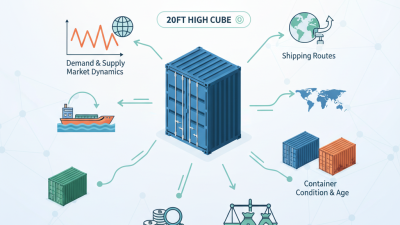
A 20ft high cube container offers one extra foot of interior height compared with a standard-height unit. That space can matter when cargo is tall, bulky, or difficult to stack. Yet dimensions alone do not make a good purchase. Buyers also need clear specifications, dependable delivery, and a supplier who answers detailed questions.

Transport geographer Jean-Paul Rodrigue studies containerization and global freight systems. A practical paraphrase of his work is: “A container’s value depends on how reliably it moves through the supply chain.” This is not a verbatim quotation; it captures a useful buying principle. A low quote can lose its appeal if delivery dates keep shifting. Small details matter.

This guide compares ten suppliers serving international buyers. It focuses on product range, condition options, customization, service reach, and the clarity of each supplier’s information. Check the stated tare weight, payload, external dimensions, door condition, and available inspection records. Ask where the unit is located and how transport is arranged. A clean photograph helps, but it cannot show every dent or floor repair. That remains a real limitation.

Use the list as a starting point, not a final verdict. Supplier coverage and stock can change. Confirm current specifications and terms directly before ordering.
Top 10 20ft High Cube Container Suppliers for Global Buyers

Understanding 20ft High Cube Containers and Their Global Uses

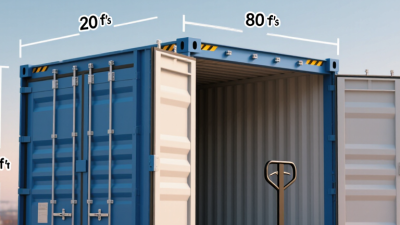
A 20ft high cube looks familiar, but its extra foot changes loading plans. A typical unit stands 9 ft 6 in externally, versus 8 ft 6 in for a standard container. Usable volume is often close to 37 m³. Exact internal dimensions and payload vary by construction. Check the data plate and supplier drawings, not catalog averages. That small check prevents awkward surprises.

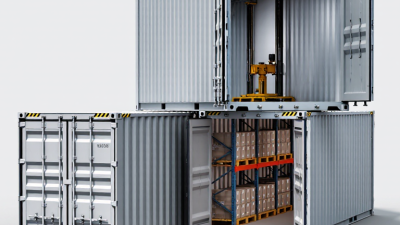
The added clearance suits tall machinery, stacked cartons, or equipment needing protective bracing. It may reduce wasted space for bulky, lightweight cargo. But extra height does not increase a container’s rated payload.

Confirm door clearance, lashing points, forklift access, and route restrictions before booking. Small details matter.

UNCTAD’s Review of Maritime Transport 2024 reports that over 80% of global goods trade by volume moves by sea. This helps explain the value of standardized boxes across long supply chains.

Still, 20ft high-cube units can be less available than 40ft versions in some locations. Availability and repositioning costs deserve a practical check. A tidy specification sheet is not the whole story.

Key Criteria for Evaluating International Container Suppliers

Choosing a 20ft high cube container supplier requires more than comparing the quoted price. Check whether the supplier can provide clear specifications, including external and internal dimensions, door opening size, tare weight, and payload rating. Ask for recent photographs of the actual units, not only catalogue images. Look closely at door seals, corner castings, floor condition, and visible corrosion. Small details matter.

For international orders, confirm production or stock availability, dispatch location, loading arrangements, and the documents supplied with each unit. Request a written quote that separates container cost, transport, handling, and any inspection fees. Then compare delivery estimates against the route and destination, since port congestion can shift schedules. Ask how defects are handled and whether an independent pre-shipment inspection is possible. A polished quotation is not proof of quality. Check references from buyers with similar routes and order sizes, and verify that specifications match the delivered units. One detail is easy to miss: clarify whether the quoted container is new, used, or refurbished. That distinction can affect condition, appearance, and expected service life. No supplier is perfect, and a rushed comparison can overlook useful questions.

Profiles of Ten 20ft High Cube Container Suppliers

These ten supplier profiles represent different ways to source a 20ft high cube: factory-direct manufacturers, leasing-fleet sellers, depot stockists, regional traders, refurbishment yards, export-focused consolidators, local-delivery specialists, inspection-led vendors, volume wholesalers, and small-lot resellers. Each suits a different buying situation. Factory-direct supply may fit repeat orders, while a nearby depot can reduce inland transport. A leasing-fleet seller may offer used units, but age and condition vary.

Check the door seals, floorboards, corner castings, and container identification plate. Small details matter.

A 20ft high cube is generally about 9ft 6in tall externally, so confirm dimensions against the intended site and handling equipment.

UNCTAD’s Review of Maritime Transport 2024 reports that more than 80% of world merchandise trade by volume moves by sea, underscoring the role of containers in global logistics.

Still, supplier claims need checking. Request recent photographs, a written condition grade, and a clear quotation covering delivery and lifting. The profiles can help buyers compare options, not certify a unit. I would also verify local stock directly; online listings can lag behind actual availability.

Comparing Supplier Coverage, Pricing, Quality, and Delivery

Choosing among the top 10 suppliers of 20ft high cube containers starts with coverage. Ask where units are physically available, not just which ports a supplier serves. A depot near your delivery point may reduce inland trucking costs and delays. Stock changes quickly. Confirm the unit’s external height, door opening, and condition against a current specification sheet.

Compare itemized quotes rather than headline prices. Check whether transport, loading, documentation, and local handling are included, and note how long the quote remains valid. A low quote can still be the wrong choice. Currency changes and limited stock can shift the final cost before dispatch. Request a realistic delivery window, plus updates if the unit must travel from another depot.

Quality checks should be specific. Ask for recent photos of the roof, floor, door seals, and corner posts, and confirm whether repairs are documented. Look for visible corrosion, patched areas, and doors that close cleanly. Details get missed. A photo cannot replace an in-person inspection, so arrange one when the shipment’s value or intended use warrants it. Reliable suppliers explain inspection limits, provide clear condition grades, and answer questions without promising flawless equipment. Compare those practices alongside coverage, price, and delivery—not price alone.

How Global Buyers Can Verify and Choose a Supplier

When comparing 20ft high cube container suppliers, verify the actual unit, not just the product listing. A high cube container is typically 9 feet 6 inches tall, but usable interior dimensions can vary. Ask for the unit’s serial number, current photographs, and a dated inspection report. Check that photos show the doors, roof, floor, corner castings, and interior walls. Details matter.

Request written confirmation of condition, manufacturing year, dimensions, and included repairs. For used containers, ask about previous repairs, water ingress, and floor damage. A clean exterior can hide trouble. If the order is large or the shipment is valuable, consider an independent inspection before dispatch. Confirm that the inspection report matches the container’s identification number. Paperwork should be traceable.

Compare quotations line by line. Check whether delivery, loading, port charges, and inland transport are included, and clarify who handles each step. Ask for a realistic production or release schedule, payment milestones, and a clear process for reporting discrepancies. Speak with recent customers when possible, and verify that the supplier can provide relevant export and shipping documents. A video call from the depot can help, though it is not a substitute for inspection. I would not rely on polished photos alone; even careful buyers can miss details when working remotely. Keep all specifications and promises in writing before paying.

Top 10 20ft High Cube Container Suppliers for Global Buyers - How Global Buyers Can Verify and Choose a Supplier

Use this evidence-based comparison framework to assess and rank supplier candidates. It does not claim to identify or rank specific companies. Container dimensions and payload vary by manufacturer, model, and individual unit; confirm the details on the unit’s data plate and sales documents.

No. Supplier Evaluation Area What to Verify Evidence to Request Buyer Check
1 Legal business identity The contracting entity should match the registered business and the entity named on the quotation, invoice, and payment instructions. Current business registration, registered address, and a sales contract showing the same legal entity. Confirm details through the relevant official company registry.
2 20ft High Cube dimensions A typical external size is approximately 6.06 m long × 2.44 m wide × 2.90 m high. Internal dimensions vary by design and should be confirmed for the offered unit. Product drawing or specification sheet stating external and internal dimensions, door opening, and measurement tolerances. Match dimensions to cargo, loading equipment, and site clearances.
3 Payload and gross weight Maximum payload is not uniform across all containers. The permitted gross mass and tare weight are marked on the individual container’s data plate. Photograph of the data plate and a unit-specific specification listing tare, maximum gross mass, and payload. Check cargo weight against the container rating and transport limits.
4 CSC safety approval For international transport as a freight container, confirm that the container has a valid safety approval plate and that its inspection or examination status is current. Clear, current photographs of the CSC plate and, where applicable, inspection or ACEP markings. Verify markings and acceptance requirements with the carrier or relevant authority.
5 Container identification A freight container should have a traceable identification number displayed on the unit; the number should match the documents and inspection records. Photographs of the identification markings and unit-specific sales, inspection, and shipping documents. Check that the same container number appears throughout the transaction.
6 Condition and grade Terms such as “new,” “one-trip,” and “used” should be defined in writing. Condition can vary between individual units, including those described under the same grade. Recent dated photographs or video of the actual unit, an inspection report, and a written condition or damage standard. Agree on acceptable floor, door, roof, wall, and corrosion condition before payment.
7 Manufacturing or inspection records The documentation should identify the offered unit and support any claims about manufacturing date, materials, repair history, or inspection status. Unit-specific inspection checklist, manufacturing or repair records where available, and test results relevant to the intended use. Ask an independent inspector to confirm critical claims for high-value orders.
8 Export and delivery capability Delivery arrangements should specify the named origin and destination, transport mode, handling responsibilities, and who arranges export and import documentation. Written quotation with Incoterms® rule and named place, estimated schedule, freight inclusions, and document responsibilities. Compare like-for-like landed costs, not just the container price.
9 Payment and contract protection The contract should identify the exact product, quantity, condition, price, delivery terms, inspection rights, payment milestones, and remedy for material non-conformity. Signed sales contract, itemized pro forma invoice, payment instructions in the contracting entity’s name, and written dispute terms. Avoid unexplained third-party payment requests and unclear refund terms.
10 References and responsiveness Relevant export experience should be supported by independently checkable trade references and consistent answers to technical and logistics questions. Permission-based buyer references, sample redacted shipping documents, and a documented response to a technical questionnaire. Contact references independently and score every candidate against the same criteria.