What Is a 20ft High Cube Container?

A 20ft high cube container is a steel intermodal box designed for cargo that needs extra vertical clearance. It has the same general footprint as a standard 20-foot container, but it stands about one foot taller. Most units measure approximately 20 feet long, 8 feet wide, and 9 feet 6 inches high externally. Internal dimensions vary slightly by manufacturer.

That extra height is useful. It can accommodate taller machinery, stacked cartons, warehouse shelving, or bulky retail displays. A typical internal height is close to 8 feet 9 inches, while usable capacity often reaches about 37 cubic meters. By comparison, a standard 20-foot container usually provides less internal volume. The difference seems modest on paper. In a busy warehouse, it can prevent awkward repacking.

However, height alone should not guide a purchase. Door openings, floor strength, corner posts, and maximum payload also matter. A forklift may fit inside, yet the cargo can still exceed the container’s safe weight limit. Dimensions are not perfectly identical across manufacturers or production years. That detail is easy to overlook. It should be checked before booking transport or designing pallets. This guide explains the structure, capacity, common applications, and practical limitations of a 20ft high cube container. It also considers when the extra height creates genuine value and when a standard container may be the more efficient choice. The answer is not always obvious. Careful measurements remain more reliable than assumptions.
What Is a 20ft High Cube Container?

Definition and Core Purpose of a 20ft High Cube Container

What Is a 20ft High Cube Container?

Definition and Core Purpose of a 20ft High Cube Container

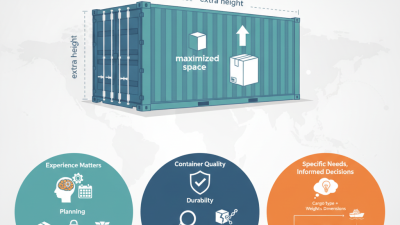
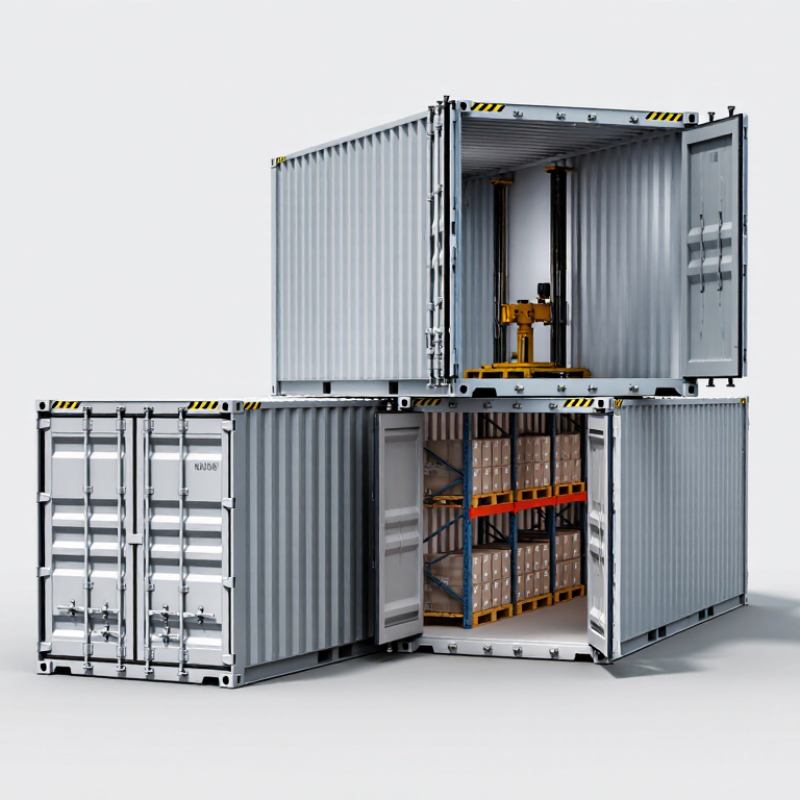
A 20ft High Cube container is a steel freight unit built for cargo that needs extra vertical clearance. It usually measures 20 feet long and 8 feet wide. Its external height is about 9 feet 6 inches, roughly one foot taller than a standard container.

That added height creates more usable volume, often close to 37 cubic meters. Internal measurements vary slightly by manufacturer and wall design. A typical unit offers about 2.35 meters of internal width and nearly 2.70 meters of internal height. The difference matters when loading tall crates, stacked cartons, light machinery, or bulky furniture.

More vertical space.

Its core purpose is to move higher-volume cargo without using a longer container. In practical loading work, the extra clearance can reduce wasted space above pallets. However, volume alone should not decide the choice. Cargo weight, floor strength, door dimensions, and local transport limits also require checking. A common mistake is filling the upper space while exceeding the permitted payload. That is not efficient.

Before use, inspect the roof, doors, locking bars, floor, and internal odor. Water stains may indicate leakage, although a clean appearance is not proof of complete weather resistance. The container’s tare weight and payload rating should come from its current specification plate or inspection record. Measurements can differ, and assuming they are identical often causes avoidable loading problems.

Standard Dimensions, Capacity, and Weight Specifications

What Is a 20ft High Cube Container?

Standard Dimensions, Capacity, and Weight Specifications

A 20ft high cube container is a steel freight unit with extra internal height. Its external dimensions are usually 6.058 meters long, 2.438 meters wide, and 2.896 meters high. That makes it about 30 centimeters taller than a standard 20ft container. Inside, usable dimensions are commonly near 5.90 meters long, 2.35 meters wide, and 2.69 meters high. Door openings often measure approximately 2.34 meters wide and 2.58 meters high.

The internal volume is typically 37 to 38 cubic meters. Actual capacity depends on wall thickness, flooring, and door design. For practical loading, cartons should leave small gaps around the walls. This protects packaging and allows air movement. A high cube may hold more lightweight cargo, but volume is not the only limit. Weight matters.

Typical tare weight ranges from 2,250 to 2,400 kilograms. Maximum gross weight is often 30,480 kilograms, including the container. The payload may therefore reach about 28,000 kilograms, although the permitted figure varies by unit and route. Always check the container’s data plate and inspection records. A common planning mistake is using advertised dimensions without measuring irregular cargo. Pallets, forklifts, moisture, and uneven weight distribution can reduce usable space. Not every container matches the average. Recheck before booking transport.

What Is a 20ft High Cube Container? - Standard Dimensions, Capacity, and Weight Specifications

Specification Metric Imperial Description
Container Type 20ft High Cube 20' High Cube A standard-length dry freight container with approximately 300 mm more height than a standard 20ft container.
External Length 6,058 mm 19 ft 10¼ in Overall outside length of the container.
External Width 2,438 mm 8 ft 0 in Standard external width used for intermodal transport.
External Height 2,896 mm 9 ft 6 in High cube height, approximately 300 mm higher than the standard 20ft container height.
Internal Length 5,898 mm 19 ft 4¼ in Usable inside length may vary slightly by container design and lining.
Internal Width 2,352 mm 7 ft 8⅝ in Internal width available for cargo loading.
Internal Height 2,695 mm 8 ft 10⅛ in Extra vertical clearance is useful for tall or stackable cargo.
Door Opening Width 2,340 mm 7 ft 8⅛ in Approximate clear width with the cargo doors fully open.
Door Opening Height 2,585 mm 8 ft 5¾ in Approximate clear height; actual dimensions can differ slightly.
Internal Floor Area 13.88 m² 149.4 sq ft Calculated from approximate internal length and width.
Internal Volume 37.4 m³ 1,320 ft³ Approximate maximum cubic capacity before allowing for packaging and loading gaps.
Typical Tare Weight 2,300–2,500 kg 5,070–5,510 lb The empty container weight varies according to construction and fittings.
Maximum Gross Weight 30,480 kg 67,200 lb Combined maximum weight of the container and its cargo; verify the rating plate before use.
Approximate Maximum Payload 27,980–28,180 kg 61,690–62,130 lb Estimated maximum cargo weight based on the typical tare range and maximum gross weight.
Common Cargo Use Dry, non-perishable goods General freight Suitable for cartons, furniture, machinery, retail goods, and other non-temperature-controlled cargo.
Loading Consideration Dimensions may vary Check container plate Confirm the actual internal dimensions, tare weight, payload, and local road or rail limits before loading.

Note: Dimensions and weight limits are typical industry specifications. Exact measurements may vary slightly by manufacturer, container age, flooring, door design, and applicable transport regulations.

Structural Features and Differences from a Standard 20ft Container

What Is a 20ft High Cube Container?

A 20ft High Cube container keeps the same basic footprint as a standard 20ft container. Its key difference is height. A High Cube usually measures about 9 feet 6 inches tall externally, while a standard unit is about 8 feet 6 inches. This extra foot creates more usable internal clearance, especially for tall cartons, storage racks, and light industrial equipment.

Its structure includes reinforced corner posts, horizontal rails, corrugated steel side panels, and a heavy-duty floor. The taller frame may also increase wind exposure and handling demands. The internal height is commonly close to 8 feet 10 inches, but exact measurements vary by manufacturer and production year. Door openings can differ too, so checking the specification plate matters. More space does not always mean more payload. Weight limits still depend on the container design, transport equipment, and local road rules.

Tips: Measure your tallest load after packing. Leave clearance above it. Confirm door height, floor condition, and allowable gross weight before loading. A tape measure prevents expensive surprises. I have found that drawings can look precise, yet real units sometimes show small variations. That detail is easy to overlook. For uneven cargo, use suitable restraints and distribute weight across the floor. A High Cube is valuable when vertical space matters, but it is not automatically the better choice for every shipment.

What Is a 20ft High Cube Container? Structural Features and Differences from a Standard 20ft Container

A 20ft High Cube container keeps the same approximate footprint as a standard 20ft container but is 305 mm taller externally and internally. Typical internal volume increases from about 33.2 m³ to 37.4 m³, providing approximately 12.7% more cubic capacity. Actual dimensions may vary slightly according to container specifications and construction tolerances.

Common Uses, Loading Methods, and Cargo Compatibility

What Is a 20ft High Cube Container?

A 20ft high cube container is a steel freight unit with extra internal height. It is usually about 5.9 meters long, 2.35 meters wide, and 2.69 meters high inside. Exact dimensions and payload limits vary by manufacturer and container condition. The added height provides roughly 37 cubic meters of usable space. That extra room helps when cargo is tall but does not require a longer floor.

Common uses include palletized goods, packaged machinery, furniture, building materials, and dense industrial parts. A forklift can place pallets through the doors, while a pallet jack works better after a level floor is created. Floor loading suits cartons and irregular items. Heavy cargo should stay low and near the center. Weight must be spread across the floor, not concentrated under one small machine. Wooden blocks, straps, and approved lashing points can reduce movement during sea transport.

Cargo compatibility needs careful checking.

Dry, non-hazardous goods usually fit well, but moisture-sensitive products may need liners or desiccants. Perishable cargo requires temperature control, so a standard high cube may be unsuitable. Liquids need properly approved packaging and equipment.

Never rely only on volume calculations. Door width, pallet dimensions, axle limits, and the container’s rating can change the plan. A perfect loading layout rarely survives real handling. I still recheck the weight ticket, corner clearances, and door closing before release. Safety marks and inspection plates should remain visible and valid.

Selection, Transport, and Maintenance Considerations

What Is a 20ft High Cube Container?

Selection, Transport, and Maintenance Considerations

A 20ft High Cube container keeps the usual 20-foot length but adds extra internal height, often reaching 9 feet 6 inches externally. That added space helps with tall machinery, stacked cartons, and insulated cargo. Selection should begin with cargo dimensions, weight, loading method, and destination conditions. Check the door opening, floor strength, corner posts, and ventilation points. A clean exterior can mislead. Inspect the roof, underside, locking bars, and internal welds for hidden corrosion. Confirm the identification plate and verified weight before purchase or hire.

Transport planning needs equal care. Measure the container, trailer, crane, and route clearance together. Low bridges, narrow gates, and soft ground can create expensive delays. Distribute cargo evenly across the floor, then secure it against movement during braking and turning. Keep the center of gravity low. Never depend on the container doors to restrain loose goods. Use rated lifting equipment and trained personnel. Weight limits and road requirements vary by location, so verify them with the carrier and relevant authorities.

Maintenance is practical, not cosmetic. Sweep the floor after unloading and remove trapped moisture from corners. Test door gaskets and locking rods regularly. Small roof leaks become serious after repeated freezing and thawing. Treat surface rust early, but do not cover damaged steel without proper preparation. Timber floors also need inspection for soft areas and contamination. In practice, maintenance schedules are often too optimistic. A monthly check may be insufficient near saltwater, while sheltered storage may need less frequent attention. Record repairs, inspections, and unusual movement.