2026 Best 10 Ft Container Prices Sizes and Uses?
Choosing the right 10 ft container in 2026 requires more than comparing online prices. A compact unit can hold tools, seasonal stock, furniture, or site equipment without consuming valuable space. Its smaller footprint suits narrow driveways, urban properties, workshops, and construction areas. Many models measure about 10 feet long, 8 feet wide, and 8 feet 6 inches high. Internal dimensions vary by manufacturer, wall thickness, and door design.
Price remains a practical concern. Newer one-trip containers often cost more than used units, while local delivery can add significantly to the final bill. Regional supply, paint condition, flooring, locking bars, ventilation, and delivery distance all influence the quote. In many markets, buyers should expect a broad range rather than one fixed figure. A verified supplier should explain taxes, transport, inspection terms, and warranty coverage clearly. It is imperfect. Online prices may exclude essential charges.
This guide examines typical 2026 pricing, useful dimensions, and realistic applications. It also considers weather resistance, door access, security features, and placement requirements. For example, a pallet may fit through the doors but become difficult to turn inside. Measure the ground, access route, and lifting area before ordering. Experienced buyers often request interior photos, corner-post details, floor condition, and recent rust treatment. Those small checks prevent expensive surprises. The best choice depends on your available space, storage duration, loading method, and local delivery conditions. Practical evidence matters more than attractive listings.
10 Ft Container Specifications: Dimensions, Capacity, and Weight Limits
10 Ft Container Specifications: Dimensions, Capacity, and Weight Limits
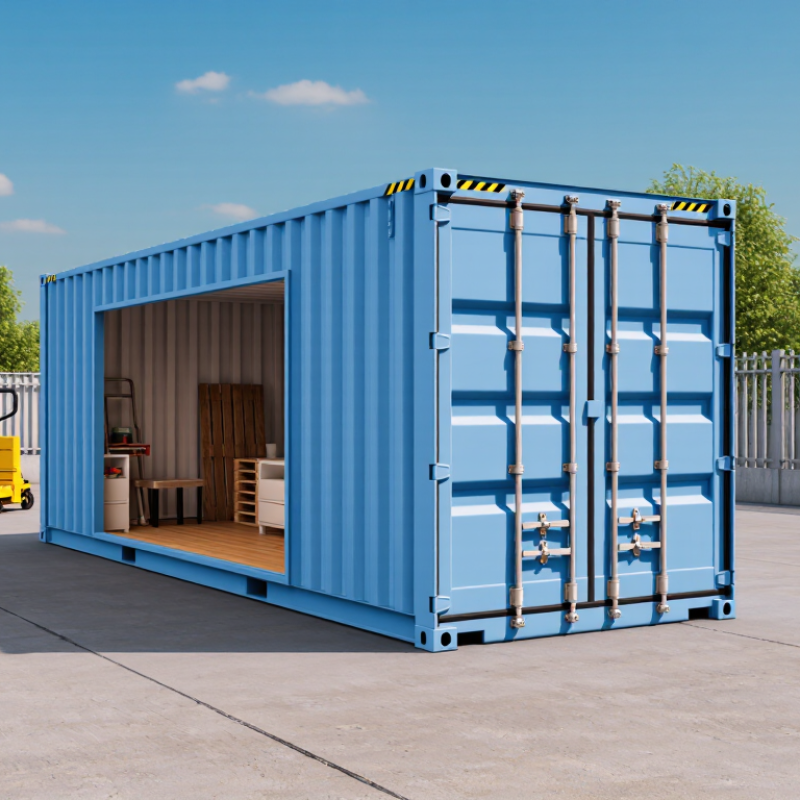
A 10 ft container usually measures about 2.99 m long, 2.44 m wide, and 2.59 m high externally. Internal dimensions commonly reach approximately 2.83 m by 2.35 m by 2.39 m. These figures vary because many 10 ft units are converted from longer containers or manufactured for storage use. ISO 668:2020 defines container dimensions and corner fittings, but it does not create one universal 10 ft model. Always request a specification sheet before comparing prices.
Internal volume is typically close to 15.5 cubic metres. Payload often ranges from 8,000 to 9,000 kg, while gross weight may reach about 10,000 kg. The exact limit depends on the frame, floor, doors, and certification plate. BIC equipment records and ISO-based inspection practices help verify these details. Still, a missing or damaged data plate is a serious warning. Do not estimate capacity by appearance.
A 10 ft container suits compact site storage, workshop tools, seasonal inventory, and small construction materials. A pallet may fit comfortably, but turning space disappears quickly. Industry logistics reports from UNCTAD show continuing pressure on container availability and transport costs, which can influence regional prices. Local delivery, crane access, flooring, ventilation, and paint condition often affect the final quote more than length alone. The overlooked cost is placement. A narrow driveway can make a cheap container expensive.
Common Uses of 10 Ft Containers in Business, Storage, and Construction
A 10 ft container offers a compact solution for businesses with limited yard space.
Under ISO 668 dimensions, it typically measures 10 feet long, 8 feet wide, and 8 feet 6 inches high. Internal space is usually about 72 square feet, depending on wall thickness and fittings. That is enough for archived files, boxed inventory, tools, or seasonal equipment.
Not everything fits.
Small retailers often use these units as overflow storage during busy periods. A lockable steel shell protects goods from rain, dust, and casual access. The 2024 Container xChange market report highlights continuing volatility in container availability and leasing conditions. Local delivery charges can therefore affect the final cost more than expected.
Measure the access route first.
Construction companies use 10 ft containers near renovation and civil-work sites.
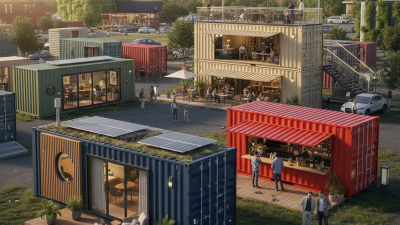
They can hold power tools, fasteners, protective clothing, and temporary site furniture. Their shorter footprint may fit beside a narrow road or inside a crowded compound. The UNCTAD Review of Maritime Transport 2024 reported renewed growth in global seaborne trade, reinforcing the value of flexible storage within active supply chains. Yet a container is not automatically a good office. Ventilation, insulation, lighting, and safe electrical installation require professional assessment. I have seen projects underestimate condensation. That mistake damages materials quietly. For business storage, check floor loading, door clearance, drainage, security controls, and local placement requirements before ordering.
How to Choose the Right 10 Ft Container for Your Needs
Choosing the right 10 ft container starts with your available space, not the lowest advertised price. Standard units are usually about 10 feet long, 8 feet wide, and 8 feet 6 inches high. Internal dimensions are smaller because of wall thickness and door frames. Measure twice.
For 2026, prices may vary widely by condition, location, delivery distance, and modifications. A used container can suit tools, seasonal stock, or garden equipment. A new unit usually offers cleaner interiors, tighter door seals, and fewer repair concerns. Inspect the roof, floor, corner posts, locking bars, and door gaskets before paying. Surface rust is common, but deep corrosion needs professional attention.
Think about daily access. A side-opening design helps when you store bicycles, shelving, or bulky equipment. Standard end doors may cost less and work well for boxed goods. Check the delivery route, turning space, ground firmness, and crane or truck access. Ask whether the quoted price includes transport, placement, tax, and unloading. These details are often overlooked.
Keep airflow in mind.
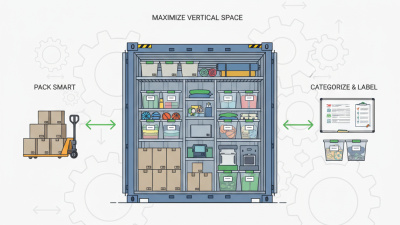
For temperature-sensitive contents, basic ventilation may not be enough. A qualified specialist can advise on insulation, electrical work, and local placement requirements. I have seen buyers choose compact containers for savings, then regret the limited aisle space. Draw your storage layout with real box sizes before ordering. A slightly higher cost may prevent an inconvenient purchase.
2026 Best 10 Ft Container Prices Sizes and Uses? - How to Choose the Right 10 Ft Container for Your Needs
Estimated 2026 U.S. Market Guide for 10-Ft Shipping Containers
| Container Type |
Typical 2026 Price (USD) |
External Dimensions |
Approx. Internal Dimensions |
Approx. Floor Area / Volume |
Best Uses |
Important Considerations |
| Used Standard 10-Ft Container |
$1,500–$3,200 |
10 ft L × 8 ft W × 8 ft 6 in H
(3.05 × 2.44 × 2.59 m) |
About 9 ft 2 in L × 7 ft 8 in W × 7 ft 10 in H
(2.80 × 2.34 × 2.39 m) |
About 70 sq ft
About 560 cu ft |
Household storage, tools, seasonal inventory, workshop storage, and small construction projects. |
Inspect floor condition, door seals, roof holes, corrosion, and locking bars. Used units may have dents and previous cargo wear. |
| One-Trip Standard 10-Ft Container |
$2,500–$4,500 |
10 ft L × 8 ft W × 8 ft 6 in H
(3.05 × 2.44 × 2.59 m) |
About 9 ft 2 in L × 7 ft 8 in W × 7 ft 10 in H
(2.80 × 2.34 × 2.39 m) |
About 70 sq ft
About 560 cu ft |
Long-term storage, secure equipment storage, site offices, and projects requiring a cleaner exterior. |
Usually has limited transport history and better cosmetic condition, but delivery and local availability strongly affect the final price. |
| Used 10-Ft High-Cube Container |
$2,000–$4,000 |
10 ft L × 8 ft W × 9 ft 6 in H
(3.05 × 2.44 × 2.90 m) |
About 9 ft 2 in L × 7 ft 8 in W × 8 ft 10 in H
(2.80 × 2.34 × 2.69 m) |
About 70 sq ft
About 630 cu ft |
Tall shelving, bulky equipment, workshop storage, and storage where extra headroom is valuable. |
Requires additional overhead clearance. Confirm local height limits and lifting access before ordering. |
| Refurbished 10-Ft Container |
$2,200–$4,200 |
Typically 10 ft L × 8 ft W × 8 ft 6 in H
(3.05 × 2.44 × 2.59 m) |
Usually about 9 ft 2 in L × 7 ft 8 in W × 7 ft 10 in H |
About 70 sq ft
About 560 cu ft |
Storage where improved appearance, repaired flooring, and refreshed paint are preferred. |
Ask which components were repaired or replaced. Refurbishment standards vary between sellers. |
| Insulated 10-Ft Container |
$4,000–$8,500 |
Usually 10 ft L × 8 ft W × 8 ft 6 in H |
Varies according to insulation thickness and interior lining |
Usually 60–70 sq ft
Approximately 480–560 cu ft |
Temperature-sensitive storage, electronics, documents, temporary rooms, and controlled work areas. |
Insulation reduces usable internal space. It does not automatically provide active temperature control or humidity control. |
| Modified 10-Ft Container |
$5,000–$15,000+ |
Typically 10 ft L × 8 ft W × 8 ft 6 in H |
Depends on doors, windows, electrical systems, lining, and equipment installed |
Usually 55–70 sq ft
Volume varies by modification |
Site offices, kiosks, workshops, security rooms, utility enclosures, and portable retail spaces. |
Permits, electrical work, ventilation, fire safety, foundation preparation, and transportation can add substantial cost. |
Selection Guide:
Choose a standard container for general storage, a high-cube model for extra vertical clearance, a one-trip unit for better condition, and an insulated or modified unit for temperature-sensitive or occupancy-related applications. Prices are indicative U.S. market ranges for 2026 and may vary by location, delivery distance, condition, customization, taxes, and site-access requirements.
Typical Technical Reference:
A standard 10-ft steel container commonly has a tare weight of approximately 2,900–3,500 lb, a maximum gross weight near 24,000–26,000 lb, and a practical payload that depends on the specific unit and local transport regulations. Always verify the container’s identification plate and supplier specification before loading or transporting.
Buying, Delivery, Installation, and Maintenance Considerations
A 10 ft container is compact, but its price is rarely simple. ISO 668 places typical external dimensions near 2.99 m long, 2.44 m wide, and 2.59 m high. Usable volume is usually about 16 cubic metres. Payload depends on the frame, floor, and certification. Recent Container xChange market reports show strong regional price differences, with used units often listed in the low-thousands. UNCTAD’s Review of Maritime Transport 2024 reported a global container ship fleet of roughly 28.5 million TEU, but shipping availability does not guarantee a cheap local delivery.
Buying decisions should include the CSC plate, door seals, floor condition, corrosion, and previous repairs. Ask for photographs underneath the floor. Many quotations exclude crane unloading, waiting time, permits, and difficult access. Delivery may cost more than expected when the truck needs a long reversing route. A level, compacted base is essential. Concrete pads or properly engineered foundations reduce standing water and door distortion. Installation needs lifting clearance and safe working space.
Maintenance is often underestimated. The IMO’s International Convention for Safe Containers requires periodic examination at intervals not exceeding 30 months after the initial inspection. Check corner castings, roof joints, vents, and locking bars after severe weather. Coastal salt accelerates corrosion. Repaint damaged steel promptly. My own cost estimates would be cautious here; a small leak can become an expensive floor replacement. A cheap container is not always the economical one.