CUSTOMER ALERT Beware of fraudulent websites using our name. We do not sell on Craigslist or Facebook Marketplace. Report suspicious contacts to 713-670-8801.

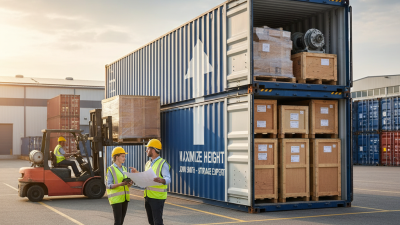
Choosing the best high cube shipping container from China requires more than comparing catalog prices. A reliable decision connects internal height, steel quality, cargo protection, certification, and supplier performance. High cube containers usually provide 30 centimeters more internal height than standard units. That extra space can accommodate taller machinery, stacked cartons, or insulated packaging without forcing risky compression.
Industry data shows why careful selection matters. UNCTAD’s Review of Maritime Transport 2024 highlights continued pressure on global shipping capacity, routing stability, and equipment availability. These conditions can affect delivery schedules and container pricing from Chinese factories. Container xChange market reports also track changing container availability and leasing costs across major Asian ports. Prices move. Quality differences remain.
Specification is only one part of the answer.
A serious buyer should examine ISO 668 compliance, CSC safety approval, corner casting condition, floor load capacity, door gasket flexibility, and recent repair records. I have found that photographs can hide corrosion beneath flooring or around the rear frame. A physical inspection, moisture check, and factory quality report provide stronger evidence. However, inspection standards may vary between suppliers, so assumptions need testing.
The best high cube shipping container depends on its use. A new one-way unit may suit sensitive cargo and long-term storage. A cargo-worthy used container may offer better value for general freight. Chinese manufacturers can provide customization, but modifications may reduce usable space or complicate certification. This article compares practical options, supplier evidence, and ownership risks. The “cheapest” container is rarely the cheapest after repairs, delays, and rejected inspections.
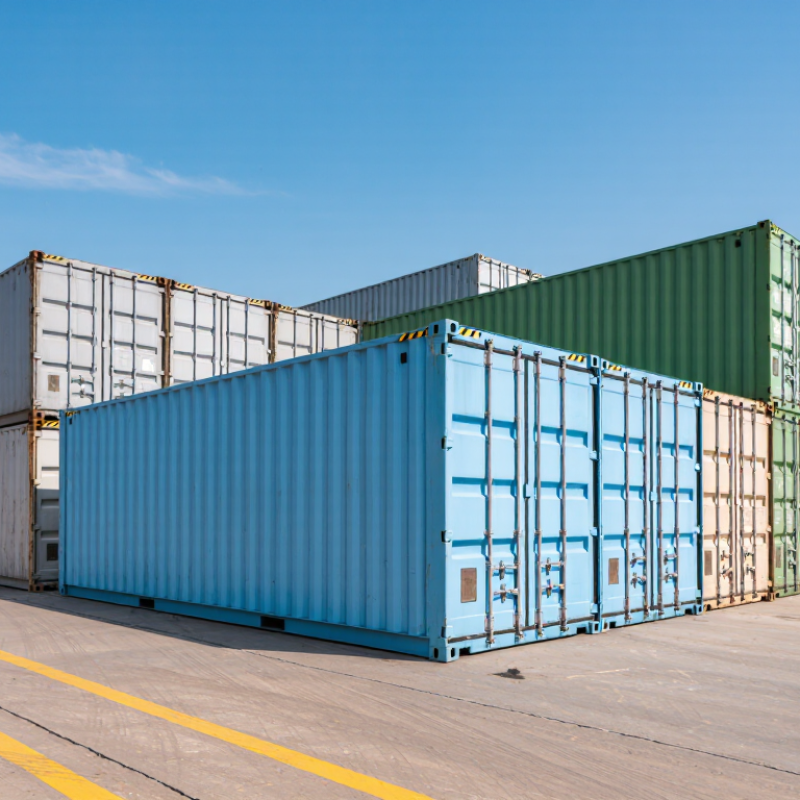
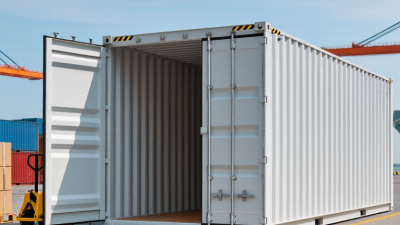
A high cube shipping container is a steel cargo box with extra internal height. A standard high cube is usually 40 feet long, 8 feet wide, and 9 feet 6 inches high externally. Its approximate internal dimensions are 12.03 meters long, 2.35 meters wide, and 2.69 meters high. More headroom matters. It allows taller pallets, machinery, shelving, and insulated interiors without wasting usable space. Twenty-foot high cube units also exist, but availability and exact measurements can vary.
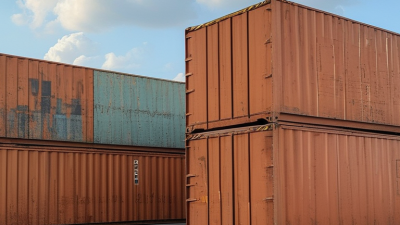
The best high cube container from China depends on its intended use, not only its price. For international transport, check the CSC safety plate, maximum gross weight, door condition, floor strength, and weather seals. For storage or conversion, inspect ventilation points, welding quality, paint coverage, and previous cargo history. A new container normally offers cleaner surfaces and fewer repairs. A used unit can cost less, but dents, hidden corrosion, and uneven doors may create expensive problems.
Practical inspection is essential. Ask for internal and external measurements, steel thickness, payload data, and clear photos of the roof, corner castings, and floor. Photos are not enough. Request a loading test or independent inspection when possible. Small details matter. A container may look sound while water enters through a worn door gasket. I have also found that buyers sometimes focus on height and forget forklift access or delivery limits. That assumption can fail. Manufacturing quality can be strong, but specifications still need careful verification before shipment.
Choosing the best high cube shipping container from China requires more than comparing prices. A high cube container usually provides an internal height of about 2.69 meters. That extra space helps with bulky cargo and taller pallets. Measure your cargo carefully before ordering. Small errors can affect loading plans.
Inspect the steel panels, corner posts, roof, doors, and flooring. Look for straight panels, clean welds, working door seals, and a dry interior. Check the container’s external dimensions and maximum payload against your transport plan.
Request recent inspection photos, production records, and a clear specification sheet. A valid CSC safety plate is important for international transport. It should match the container’s identification details.
Do not rely on photographs alone. An independent pre-shipment inspection can reveal dents, moisture, poor paint coverage, or damaged flooring. These details often cost more to repair after delivery.
Supplier reliability also matters. Review manufacturing experience, quality controls, replacement procedures, and communication speed. Confirm whether the quoted price includes inland delivery, export handling, inspection, and documentation.
Ask about corrosion protection if the container will face humid or coastal conditions. Paint quality is easy to overlook. It can determine service life.
Allow extra time for production and port schedules, especially during busy seasons. No checklist catches every defect, so keep written records and question unclear answers before payment.
A high cube container offers an extra 300 millimeters of internal height. That space helps with tall machinery, shelving, and bulky cargo. Material choice remains important. Weathering steel provides strong walls and good resistance to outdoor exposure. Aluminum is lighter, but it usually costs more and may dent more easily. Marine plywood flooring supports heavy loads, yet its treatment and thickness should be checked carefully.
Look at more than appearance. Inspect corner castings, door seals, locking bars, ventilation openings, and weld consistency. A clean paint finish can hide weak repairs. Manufacturing should follow recognized ISO dimensions and structural requirements. Check the container’s safety approval, production records, load rating, and inspection documents before shipment. Factory quality can vary, even when specifications look identical. That is an easy mistake to underestimate. Photos are useful, but they cannot replace a physical inspection or an independent report.
Tips: Request steel thickness data, floor load limits, coating details, and door-opening measurements. Ask for photos of the roof, underside, and internal seams. Confirm the 9-foot-6-inch height after flooring is installed. Leave tolerance for cargo movement and lifting equipment. If the price seems unusually low, inspect the materials twice. Reliable sourcing is not only about saving money; it is about reducing surprises after delivery.
A reliable high cube container begins with a verified supplier, not a polished website. Request the company registration, factory address, export history, and recent production photos. Ask for a live video call inside the workshop. The supplier should show welding areas, steel storage, floor installation, and the inspection station. I also recommend ordering a sample inspection before full production. Photos can hide repairs and uneven paint. Small details matter.
Check the container’s 9'6" height, external dimensions, door clearance, floor condition, corner castings, and roof structure. Ask for steel thickness, coating information, wind-and-water tightness results, and load test records. Certifications must match the exact container model and production date. Verify the certificate number with the issuing organization, not only with the supplier’s sales team. A CSC plate, when required for international transport, should be clear, durable, and consistent with the inspection documents. Certificates alone are not enough.
Tips: Compare the supplier’s quotation with its technical specification line by line. Confirm whether inspection, inland transport, export packing, and documentation are included. Keep signed drawings and approved samples. I once overlooked a floor specification because the price looked attractive; that mistake would have caused expensive replacement work. Leave room for careful rechecking. Reliable suppliers usually accept reasonable third-party inspections and provide traceable production records. Blunt answers deserve attention.
A 40-foot high cube container offers about 76 cubic meters of internal space, roughly 30 centimeters taller than a standard container. The extra height suits furniture, machinery, and lightweight cartons. However, usable capacity depends on the cargo shape, pallet design, and the container’s certified payload. I always check the door opening and maximum gross weight, not only the advertised volume.
Ocean freight is usually the largest cost, but it is not the only one. A realistic quotation should separate origin handling, documentation, customs clearance, terminal charges, destination delivery, and possible storage fees. UNCTAD’s Review of Maritime Transport reports that over 80% of global merchandise trade by volume moves by sea. Rates still change with season, fuel prices, equipment shortages, and route disruption. A low port-to-port quote can become expensive after unloading. That assumption often fails.
Importers should prepare a commercial invoice, packing list, bill of lading, accurate HS classification, and any product-specific certificates required by the destination country. Customs rules differ, so a licensed broker should verify them before booking. The World Bank’s 2023 Logistics Performance Index evaluates customs, infrastructure, tracking, and timeliness on a 1-to-5 scale; these factors affect delivery reliability. Delivery may be port-to-port, door-to-door, or combined with rail and truck transport. Door delivery is simpler, but the final quote must confirm unloading access, appointment requirements, and whether the truck can reach the site. Recheck everything. Mistakes happen.
CUSTOMER ALERT Beware of fraudulent websites using our name. We do not sell on Craigslist or Facebook Marketplace. Report suspicious contacts to 713-670-8801.