CUSTOMER ALERT Beware of fraudulent websites using our name. We do not sell on Craigslist or Facebook Marketplace. Report suspicious contacts to 713-670-8801.

Choosing a Houston container supplier can make storage, transport, and project planning more manageable. Local knowledge matters when weather changes quickly, freight schedules shift, or job sites have limited access. A dependable supplier can recommend the right container size, condition, and delivery method for your needs. That guidance is practical, not merely promotional.
A professional houston container provider should explain specifications clearly. Ask about wind and water resistance, door operation, floor condition, ventilation, and inspection procedures. Experienced teams can identify whether a standard storage container, refrigerated unit, or modified design suits your project. They should also provide transparent pricing, delivery details, and rental or purchase terms. Strong suppliers do not avoid difficult questions. They document important details.
Reliable service also depends on communication after delivery. A container may look suitable online but perform differently on uneven ground or a crowded site. Site measurements, access checks, and placement planning can prevent expensive surprises. Still, no supplier can predict every delay. That deserves honest discussion. Review customer feedback, request current photos, and confirm the container’s condition before signing. A local Houston company may offer faster support, though availability can vary during peak construction seasons. Choosing carefully helps protect your schedule, materials, and budget while supporting safe, compliant use.

A Houston container supplier is a local business that provides steel containers for storage, transport, construction, and site operations. It may offer new, used, or modified units in several lengths and heights. The supplier usually manages inspection, pricing, delivery, and placement. Local knowledge matters because Houston properties can have soft ground, narrow access roads, heavy rain, and strict site requirements. A reliable supplier should explain door condition, floor strength, roof damage, ventilation, and lock options in clear language. Photos help, but they do not replace a physical inspection.
Choosing a Houston supplier can reduce delivery surprises. Experienced staff can check truck access, crane needs, placement clearance, and drainage before scheduling. Ask for the container’s exact dimensions and a written condition report. Ask whether the quoted price includes delivery, unloading, and taxes. Some suppliers answer quickly but explain little. That is a warning sign. I also think buyers sometimes focus too much on appearance; a clean exterior may hide a worn floor. No supplier is perfect, so keep questions specific and records complete.
Tips: Measure the placement area twice. Leave space for door swing and maintenance. Check local site rules before ordering. Request recent photos and inspection details. Confirm the delivery date in writing. If the unit will store sensitive equipment, discuss moisture control and security features early. Small oversights can become expensive.
Houston’s container market serves ports, warehouses, construction sites, and manufacturers. Its transport network supports both local deliveries and longer regional moves. The right container depends on cargo size, loading method, temperature, and storage duration. A careful supplier should explain these differences clearly, not push the largest unit.
Standard dry containers handle boxed goods, tools, furniture, and general inventory. High-cube models provide extra interior height for bulky cargo.
Refrigerated containers protect food, flowers, and temperature-sensitive materials. They require reliable power and regular temperature checks.
Short sentence.
Cold cargo is unforgiving.
Open-top containers suit tall or crane-loaded materials. Flat racks support oversized machinery, steel, and industrial equipment.
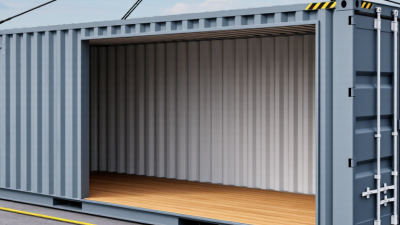
Side-door units can simplify access when a site lacks loading space. Tank containers serve approved liquid transport needs and require trained handling.
I have seen planning errors begin with measurements taken too quickly.
Door clearance, floor condition, ventilation, and delivery access all deserve attention. A supplier should provide accurate dimensions, inspect the unit, and document visible damage before placement.
Houston heat, rain, and coastal moisture can expose weak seals or corroded panels. Asking about inspection records, rental terms, and maintenance response improves reliability.
Sometimes the cheapest container creates the most expensive delay.
Local sourcing makes container selection more practical because conditions are visible before purchase. A Houston supplier can inspect door seals, corner castings, floors, and roof panels locally. This reduces uncertainty caused by distant photographs or incomplete specifications. Port Houston reported more than 4 million TEUs handled in 2024, showing the region’s strong container activity. That volume supports broader access to standard, high-cube, refrigerated, and specialized units.
UNCTAD’s Review of Maritime Transport 2024 states that maritime shipping carries over 80% of global merchandise trade by volume. For Houston operations, local availability can shorten inland transfers and improve replacement planning. A supplier familiar with Gulf humidity can also identify corrosion risks more accurately. Small details matter. A damaged floor may affect loading safety, while a worn gasket can compromise weather resistance. These checks support better decisions than choosing only by price.
However, local sourcing is not automatically the best option. Inventory can change quickly, and “cargo-worthy” descriptions may still require verification. Buyers should request inspection records, dimensions, payload ratings, and maintenance history. I would also compare several units before approving a purchase. That extra review may feel slow, but it exposes assumptions early and helps match the container to its actual use, not merely its advertised category.
Why Choose a Houston Container Supplier?
Before ordering, compare more than the advertised price. Houston’s port activity makes local availability valuable. The 2024 Houston port statistics recorded over 4.1 million TEUs, an annual record. High volume may support faster pickup, but popular inventory can tighten quickly. Ask whether the quoted container is physically in Houston. Request recent photos, its identification number, and a written availability date. A surprisingly low quote deserves a second look.
Compare condition, size, age, and intended use. A wind-and-water-tight container may suit storage, while a cargo-worthy unit needs stronger documentation. Check door seals, flooring, roof dents, corrosion, and odors before payment. Confirm internal dimensions, payload, delivery equipment, and ground conditions. CSC approval matters for international transport. Local storage can involve different requirements. Delivery is another cost. Fuel, waiting time, permits, and crane access may change the final invoice. Buyers often compare unit prices and forget placement fees.
Tips: Get three written quotes with identical specifications. Compare delivered cost, warranty terms, inspection rights, and refund conditions. Ask how damaged units are handled. Keep every promise in writing. A short video inspection helps, but it cannot replace an onsite check. The 2024 Container Census reported a global fleet exceeding 53 million TEUs, yet availability still varies by location and type. That difference matters in Houston. Even experienced buyers can miss small details. Recheck measurements before ordering.
Container buyers should compare usable capacity, payload limits, dimensions, condition, delivery access, and compliance requirements before ordering. The chart compares commonly used ISO dry-container configurations. Capacity and payload figures are approximate reference values and may vary by manufacturer, container age, flooring, and CSC plate specifications.
Choosing the right Houston container supplier requires more than comparing prices. Local port statistics show strong container activity, while UNCTAD’s Review of Maritime Transport 2024 states that shipping carries over 80% of global merchandise trade by volume. That scale makes reliability essential. Businesses should inspect container grades, corner posts, door seals, flooring, and weatherproofing before signing a contract. A clean exterior can hide corrosion underneath.
Ask suppliers for inspection records, available stock, delivery windows, and written replacement terms. The 2023 U.S. Census Bureau Commodity Flow Survey confirms that trucking remains central to domestic freight movement, so a Houston supplier needs dependable drayage coordination. Confirm whether the quoted price includes transport, handling, taxes, and storage. Small fees become expensive quickly.
Experience also matters. A practical supplier should explain which container type fits the cargo, route, loading method, and storage period. Request recent customer references, measurable damage rates, and evidence of routine maintenance. The International Organization for Standardization’s freight-container standards provide a useful technical benchmark for dimensions and structural safety. Still, standards do not replace physical checks. I would photograph each unit at delivery and record seal condition, floor damage, and door alignment. That step feels excessive, but disputes often begin with missing evidence. Some suppliers promise fast availability, yet their inventory changes daily. A written confirmation 24 hours before dispatch can prevent an avoidable delay.
| Evaluation Dimension | Recommended Weight | What to Compare | Evidence to Request | Suggested Score (1–5) |
|---|---|---|---|---|
| Port and Inland Access | 15% | Distance to the Port of Houston, major highways, rail connections, and the final delivery site. | Pickup location, delivery map, accessorial-fee schedule, and estimated transit time. | 1–5 |
| Container Availability | 15% | Availability of standard dry containers, refrigerated units, open-top units, flat racks, and other required formats. | Current inventory report, equipment specifications, and written availability confirmation. | 1–5 |
| Condition and Inspection | 15% | Structural integrity, door operation, flooring condition, watertightness, cleanliness, and suitability for cargo. | Inspection checklist, recent photographs, repair records, and accepted-condition definition. | 1–5 |
| Total Delivered Cost | 20% | Container price or rental rate plus delivery, chassis, loading, storage, taxes, repairs, and other applicable charges. | Itemized written quotation with validity period, payment terms, fuel surcharges, and cancellation terms. | 1–5 |
| Delivery Reliability | 10% | Ability to meet scheduled delivery windows and provide updates when port, traffic, weather, or equipment conditions change. | Service-level commitments, delivery records, dispatch procedures, and escalation contacts. | 1–5 |
| Customization and Modifications | 10% | Options such as shelving, vents, lighting, insulation, locks, ramps, partitions, and approved electrical work. | Engineering drawings, material specifications, modification warranty, and completion schedule. | 1–5 |
| Safety and Regulatory Documentation | 10% | Compliance with applicable transport, workplace-safety, cargo, lifting, and hazardous-material requirements. | Safety data, inspection documents, load ratings, insurance certificates, and required permits. | 1–5 |
| Customer Support | 5% | Responsiveness before delivery, communication during transport, issue resolution, and after-sales support. | Response-time commitment, service contacts, warranty process, and customer references. | 1–5 |
| Sustainability and End-of-Life Options | 5% | Reuse, refurbishment, recycling, responsible disposal, and the potential to reduce new-material purchases. | Refurbishment policy, recycling records, material information, and end-of-life service terms. | 1–5 |
| Total | 100% | Select the supplier with the strongest weighted score after verifying cost, condition, delivery capability, and compliance documentation. | ||
CUSTOMER ALERT Beware of fraudulent websites using our name. We do not sell on Craigslist or Facebook Marketplace. Report suspicious contacts to 713-670-8801.