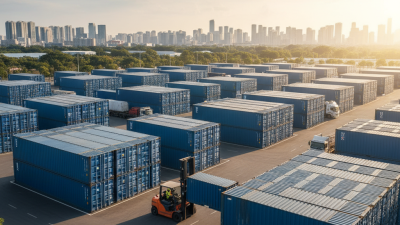
Top 10 Tips for Choosing the Right Large Shipping Container for Your Needs
Choosing the right large shipping container can significantly impact your shipping and storage experience. With various options available in the market, selecting a container that meets your specific needs is crucial for efficiency and safety. Whether you are transporting goods across the globe, storing equipment, or even utilizing the container for a unique building project, understanding the fundamentals of large shipping containers helps you make an informed decision.
In this guide, we will explore the top 10 tips for selecting the perfect large shipping container tailored to your requirements. From evaluating the size and condition of the container to considering the material and intended use, we will cover essential factors that will guide you in the selection process. By following these tips, you can ensure you choose a container that not only fits your logistical needs but also provides durability and reliability for your valuable cargo.
Let’s delve into the critical aspects you should consider when searching for the right large shipping container.
Understanding Your Storage Needs and Requirements
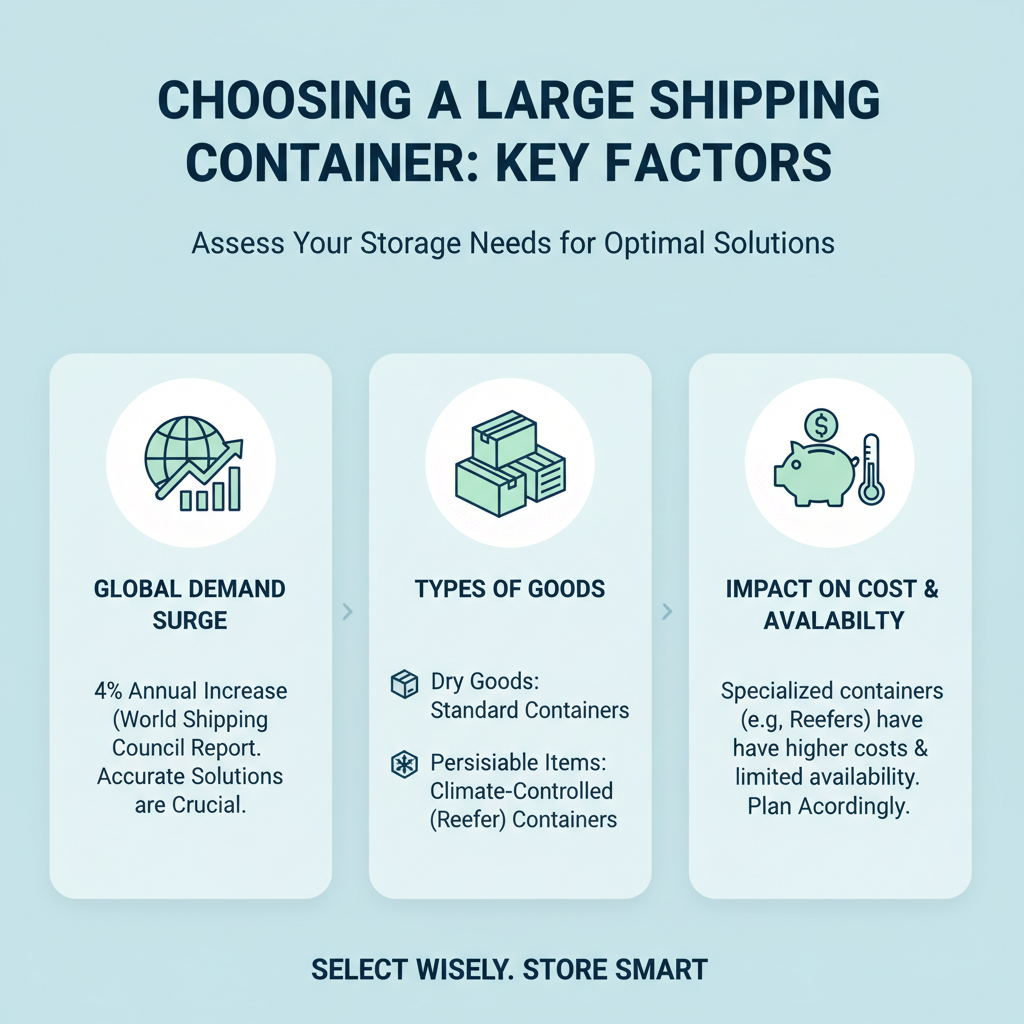
When selecting a large shipping container, understanding your storage needs is crucial. According to a report from the World Shipping Council, the global demand for shipping containers has surged by approximately 4% annually, highlighting the importance of accurate storage solutions. Before making a decision, assess the types of goods you plan to store. For instance, if you’re storing perishable items, climate-controlled containers may be necessary, impacting cost and availability.
Another vital aspect is determining the required size and configuration of the container. The Container Owners Association notes that standard shipping containers typically come in 20-foot and 40-foot options, but specialized containers can be tailored for specific industries, such as refrigerated containers for food transport. Ensuring that the container meets your exact size and configuration requirements will enhance efficiency and mitigate the risk of damage to your goods, thus contributing to operational success in your logistics strategy.
Evaluating Different Types of Large Shipping Containers
When selecting a large shipping container, it is crucial to evaluate the different types available to ensure that you meet your specific needs. Generally, shipping containers come in various configurations such as standard, high cube, and refrigerated units. Standard containers are perfect for dry goods and offer a cost-effective solution, while high cube containers provide additional vertical space, making them ideal for oversized items. Understanding the dimensions and weight capacity of each type can significantly influence the efficiency of your shipping and storage operations.
Additionally, consider the material and condition of the containers. Most large shipping containers are constructed from steel, which provides durability and security. However, some may be fitted with special features such as insulation or ventilation, catering to sensitive cargo like perishables or delicate equipment. It is also advisable to assess whether to choose new or used containers, as both have their advantages depending on your budget and intended use. By examining these factors, you can make an informed decision that aligns with your logistical requirements.
Assessing Container Condition: New vs. Used Options
When choosing the right large shipping container, one of the key decisions is whether to opt for new or used options. Assessing the condition of a shipping container is crucial, as it will impact durability, functionality, and overall cost. New containers generally come in pristine condition, offering better insulation and structural integrity, making them ideal for long-term storage or shipping sensitive materials.
On the other hand, used containers can be a more economical choice, but it's important to carefully inspect their condition. Look for rust, dents, and signs of water damage, as these issues could compromise the container's reliability. Additionally, consider how the container was previously used, as certain modifications may be necessary for your specific needs.
Furthermore, sustainability is becoming a significant factor in packaging choices worldwide. While assessing containers for shipping, think about the materials used and their life cycle. Opting for containers made from recyclable or environmentally friendly materials can not only enhance your shipping strategy but also align with broader ecological goals, similar to the innovations being explored in product packaging across various industries.
Comparing Costs: Budgeting for Your Shipping Container
When selecting a large shipping container, one of the most critical aspects to consider is the budget. According to a report from Statista, the average price for a new 20-foot shipping container ranges from $3,000 to $5,000, while used containers can cost between $1,200 to $3,000, depending on their condition and age. This price variability illustrates the importance of carefully budgeting for not just the initial purchase but also ongoing maintenance and potential modifications, such as insulation or ventilation, which can further impact costs.
Additionally, industry reports suggest that transportation fees can significantly affect your overall budget. For instance, shipping containers need to be delivered, and costs can vary widely based on distance and the logistics involved. A Logistics Management report indicates that the average delivery fee can range from $300 to $900, depending on the location and type of unloading required. It's crucial to factor these expenses into your budget to ensure that the final total aligns with your financial capabilities, making a thorough cost comparison among suppliers essential for ensuring you make the most cost-effective decision.
Choosing a Reliable Supplier for Your Shipping Container Purchase
When selecting a large shipping container, choosing a reliable supplier is paramount to ensuring the quality and suitability of your purchase. A reputable supplier should have a solid track record, demonstrated by positive customer reviews and testimonials. It is worthwhile to conduct thorough research and check the supplier's credentials, ensuring they are recognized within the industry and adhere to safety and quality standards.
Moreover, communication plays a critical role in supplier reliability. A good supplier will be responsive and willing to answer any questions you may have, providing clarity on the specifications, pricing, and delivery options for the containers. Additionally, consider looking for suppliers that offer warranties or guarantees, as this indicates their commitment to customer satisfaction and product quality. Ultimately, by investing time in selecting a trustworthy supplier, you can ensure that the shipping container you choose will meet your needs effectively and last for years to come.
Top 10 Tips for Choosing the Right Large Shipping Container for Your Needs
| Tip Number |
Tip |
Details |
| 1 |
Assess Your Needs |
Determine the purpose and items you intend to store or transport. |
| 2 |
Size Matters |
Choose the right dimensions based on your space and volume requirements. |
| 3 |
Check Container Condition |
Examine for rust, dents, and structural integrity before purchase. |
| 4 |
Consider Transport Options |
Evaluate how the container will be delivered to your location. |
| 5 |
Evaluate Insulation Needs |
Consider temperature control requirements based on container use. |
| 6 |
Budget Planning |
Factor in all costs including purchasing, transport, and maintenance. |
| 7 |
Understand Regulatory Compliance |
Ensure your container meets local shipping and storage regulations. |
| 8 |
Select the Right Supplier |
Research suppliers for reliability and customer service reputation. |
| 9 |
Inspect and Test |
Whenever possible, inspect the container personally before buying. |
| 10 |
Inquire About Warranty |
Check for any warranties or guarantees offered by the supplier. |