CUSTOMER ALERT Beware of fraudulent websites using our name. We do not sell on Craigslist or Facebook Marketplace. Report suspicious contacts to 713-670-8801.

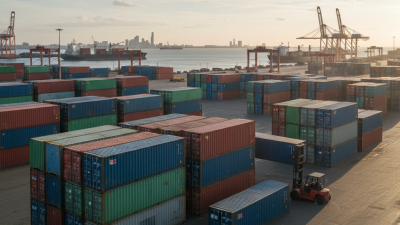
Selecting the right conex shipping container can be a daunting task. Many factors influence your choice, from size to condition. Industry expert John Smith emphasizes, "Understanding your needs is the first step to finding the perfect conex shipping container." His insights highlight the importance of aligning container specifications with your specific requirements.
For storage or transportation, the wrong container can lead to inefficiencies. You might end up with a container that is either too large or too small. The design and features of the conex shipping container vary widely, impacting functionality. Assessing your storage items is crucial. Not every container is built to withstand all elements; some are more weather-resistant than others.
Considering your intended use helps simplify the decision. If you plan to modify the container, your needs change further. Reflections on your choices can reveal missed opportunities. Engaging with professionals can enhance your understanding. Local regulations also play a part in this process. Aim for a reliable source to guide you.

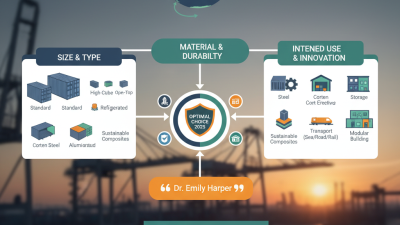
When considering Conex shipping containers, understanding the types available is crucial. There are several main types, including standard containers, high cube containers, and open-top containers. Standard containers measure 20 or 40 feet in length and are suitable for most shipping needs. According to industry reports, approximately 90% of global trade relies on these standard designs. However, not all goods fit neatly inside these confines.
High cube containers provide an additional foot of height. This added space is ideal for bulky items. They have become increasingly popular, accounting for approximately 25% of container shipments. Open-top containers cater to oversize cargo that cannot fit through standard doors. They are often used for heavy equipment or construction materials.
Choosing the right type is not always straightforward. Each option has specific strengths and weaknesses. For example, high cube containers allow for more vertical storage but may not be suitable for stacking. This could impact logistics planning. Moreover, the right choice often hinges on your unique shipping requirements and budget constraints. Effective consideration of these factors can enhance efficiency and reduce costs.
| Container Type | Dimensions (ft) | Capacity (CBM) | Weight Limit (lbs) | Typical Uses |
|---|---|---|---|---|
| Standard Container | 20 x 8 x 8.5 | 33.2 | 48,000 | General cargo, household goods |
| High Cube Container | 40 x 8 x 9.5 | 67.7 | 58,000 | Extra vertical space for taller items |
| Open Top Container | 20 x 8 x 8.5 | 33.2 | 48,000 | Bulk cargo, heavy machinery |
| Flat Rack Container | 40 x 8 x 8.5 | 67.7 | 60,000 | Heavy or oversized cargo, vehicles |
| Reefer Container | 40 x 8 x 9.5 | 67.7 | 58,000 | Perishable goods, temperature-sensitive cargo |
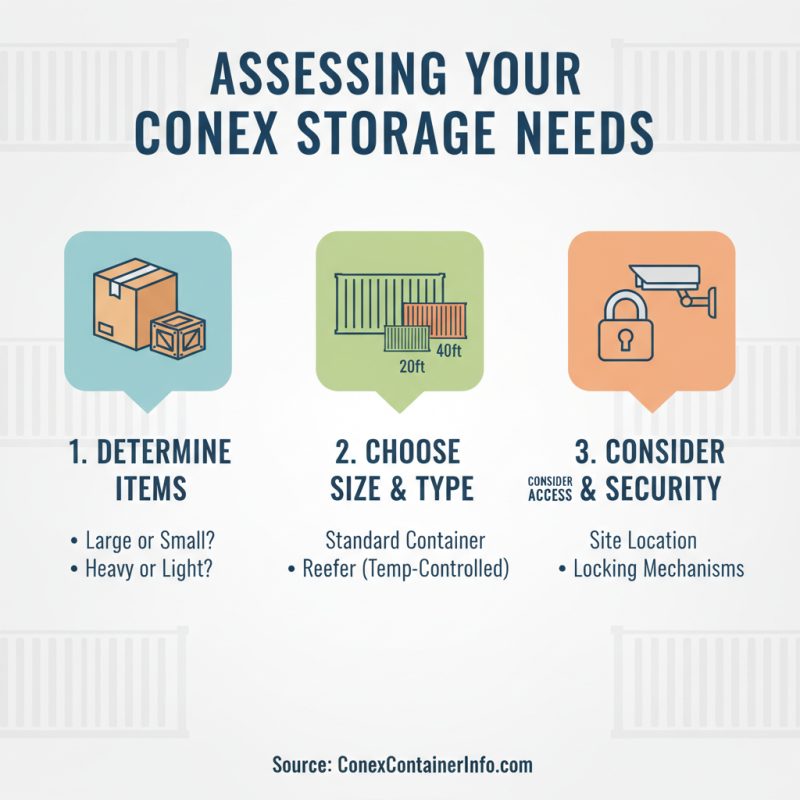
When selecting the right Conex shipping container, assessing your storage needs is crucial. Start by determining the items you plan to store. Are they large or small? Heavy or light? This will influence the size and type of container you require. Consider whether you need a standard container or a reefer for temperature-sensitive goods.
Tips: Always measure your space. Know the maximum dimensions that can fit in your intended location. Think about access. Will a truck need to deliver or pick up the container? Ensure there’s enough space for movement.
Next, consider security and climate control features. Some items are sensitive to humidity or temperature changes. Choosing containers with added insulation or ventilation can protect your goods. Reflect on how often you will access the container. A unit used frequently might need easier access options.
Tips: Check for damage. Inspect containers for rust or structural issues before finalizing your choice. Don’t rush. Allow yourself time to contemplate various options and specifications. This could save you from future headaches.
When selecting a Conex container, consider several key features. Size is crucial. Containers typically come in 10ft, 20ft, and 40ft dimensions. According to the Container Owners Association, about 90% of global shipping relies on standard container sizes. Matching the right size to your needs ensures effective use of space and reduces costs.
Condition is another factor. Containers can be new or used. A used container may show signs of wear. Inspect for rust and structural integrity. Reports indicate that a well-maintained used container can last upwards of 15 years. Choosing the right condition for your purpose is essential.
Ventilation is also critical. Adequate airflow prevents moisture buildup, which can lead to mold. Containers with ventilation ports are preferable for storing sensitive goods. Additionally, consider security features. High-security locks can protect against theft. Balancing these factors with your specific requirements will enhance your overall experience.
When evaluating costs associated with Conex shipping containers, it’s crucial to comprehend your budget. The average price for a standard 20-foot container ranges from $1,500 to $3,000, while a 40-foot unit can cost between $3,000 and $5,000. These estimates can fluctuate based on location, availability, and condition of the container. According to industry reports by Container xChange, the demand for second-hand containers has surged, affecting pricing across markets. Understanding these fluctuations helps in making informed financial decisions.
Consider additional costs beyond the initial purchase. Transport fees can add another $300 to $1,500 based on distance and logistical challenges. You might face extra charges for modifications, security measures, or permits, varying by local regulations. Neglecting these can lead to budget overruns. Researching local suppliers and understanding the marketplace is essential to avoid overspending.
It's also wise to assess long-term needs. Renting a container may be more suitable for short-term projects. Daily rental rates vary from $50 to $200, depending on the container type. However, consider that over time, rental costs may exceed the purchase price. Reflecting on your specific requirements ensures you choose a financial path that aligns with your operational needs.
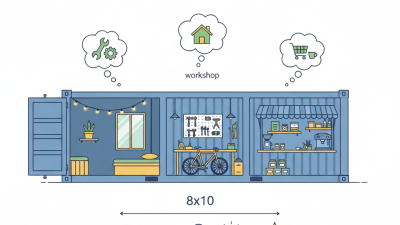
When sourcing and purchasing a Conex shipping container, understanding your specific needs is essential. Start by defining the purpose of the container. Will it be for storage, transport, or a modified living space? Each use case has unique requirements that influence your selection.
Consider the dimensions you need. Standard containers come in 20-foot and 40-foot sizes. However, customize options might suit your individual requirements better. Inspect the container's condition if you opt for a used one. Look for rust, dents, or leaks. Always prioritize containers that provide an airtight seal.
Tips: Always ask for detailed specifications. Knowing the container's history ensures reliability. Make sure to check local regulations about container placement and usage to avoid surprises later.
Investigate multiple vendors. Sometimes, prices vary widely for similar containers. Consider factors such as delivery charges and return policies. Ultimately, doing thorough research and making informed decisions will save you headaches down the road. Being cautious might lead you to discover great deals or hidden flaws. The effort in sourcing wisely pays off.
CUSTOMER ALERT Beware of fraudulent websites using our name. We do not sell on Craigslist or Facebook Marketplace. Report suspicious contacts to 713-670-8801.