2025 How to Choose the Right High Cube Shipping Container for Your Needs
In the ever-evolving logistics and transportation industry, the demand for high cube shipping containers has seen a notable increase. According to a recent report by the International Maritime Organization, the global shipping industry expected a steady growth rate of approximately 3-4% annually over the next five years, fueled by the burgeoning e-commerce sector and rising international trade. As a result, the preference for high cube shipping containers, which offer an additional foot in height compared to standard containers, has become significant, allowing for more efficient space utilization and cargo flexibility.
Selecting the right high cube shipping container for your needs involves understanding various specifications and operational requirements. Industry studies indicate that high cube containers can maximize cargo capacity by accommodating larger volumes of goods, thereby reducing shipping costs per unit. With a focus on sustainable practices, many companies are also looking at eco-friendly shipping solutions, where high cube containers play a critical role by facilitating better load optimization and reducing carbon footprints. Understanding the intricacies of these containers will enable businesses to make informed decisions that align with their logistical strategies while optimizing efficiency in their supply chain operations.
Understanding High Cube Shipping Containers: A Complete Guide
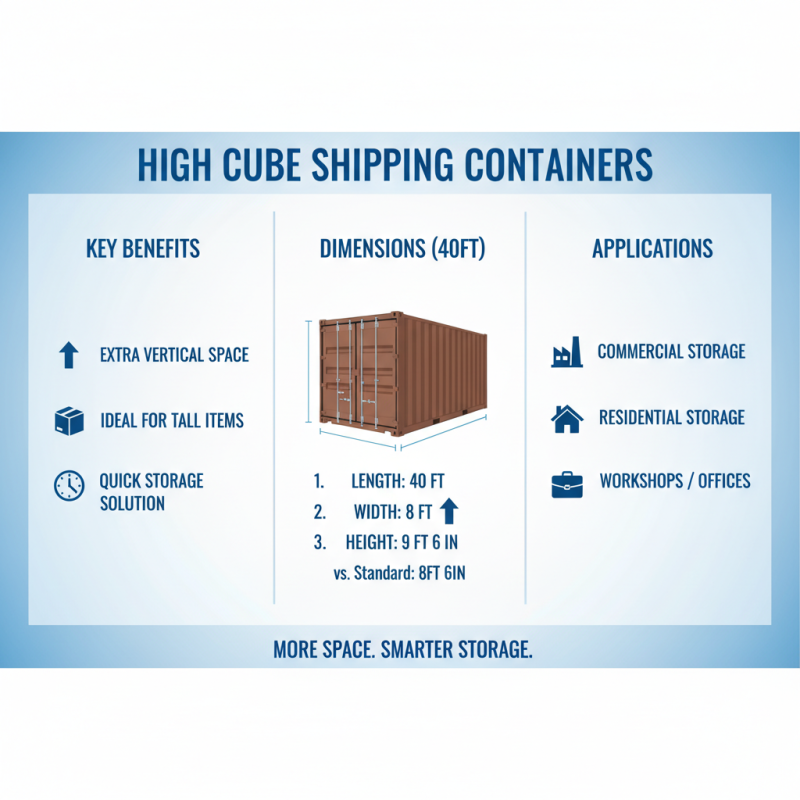
High cube shipping containers are an essential option for businesses and individuals seeking additional storage space without the need for a more extensive construction project. Distinct from standard containers, high cube containers offer an extra foot in height, providing more vertical space which is particularly advantageous for stacking goods or accommodating tall items. Understanding the dimensions, specifications, and benefits of these containers can significantly streamline the process of selecting the right one for your specific needs.
When considering a high cube shipping container, it's important to evaluate both the internal and external dimensions. Typically measuring 40 feet in length and 9.5 feet in height, these containers allow for more efficient use of space, whether for shipping, storage, or even conversion into livable or workspaces. Additionally, you should take into account the container's condition—new or used—and the type of materials you plan to store. For instance, if you require temperature control, assessing the insulation and sealing properties is vital. Thoroughly understanding these factors will help you make an informed decision, ensuring that the container you choose aligns well with your logistics or business strategies.
Identifying Your Specific Storage and Transport Needs
When selecting the right high cube shipping container, it’s essential to first identify your specific storage and transport needs. High cube containers provide additional height compared to standard containers, making them ideal for storing oversized items or maximizing space efficiency. Consider what you’ll be storing or transporting; whether it's furniture, machinery, or other bulk goods, knowing the dimensions and weight of these items will guide your choice, ensuring you select a container that accommodates them comfortably.
Tips: Before making a purchase, take accurate measurements of your items and create a list of must-have features for the container. Think about access points, insulation requirements, and whether you’ll need additional ventilation or security features. Doing this groundwork can prevent costly mistakes later on and help you select a container that fully meets your operational needs.
Furthermore, consider the duration and climate of your storage or transport environment. High cube containers are versatile for both short and long-term use, but if you’re operating in extreme weather conditions, you may need to look into specialized options designed to withstand such challenges. Tips: Research container quality grades and check for any customization options that align with your environmental requirements, ensuring your valuable items remain protected throughout their journey.
Comparing High Cube vs. Standard Containers: Key Differences
When deciding between high cube and standard shipping containers, understanding the fundamental differences in dimensions and capacity is critical. Standard containers typically offer a height of 8.5 feet, while high cube containers extend that height to 9.5 feet, allowing for additional vertical space. This extra foot translates to a capacity increase of approximately 10% in volume, making high cube containers particularly suitable for projects that require the storage of larger items or a greater amount of goods. According to the Container Owners Association, this substantial volume advantage has positioned high cube containers as a preferred choice in sectors such as construction and warehousing, where maximizing space utilization is essential.
Another key aspect to consider is the design and structural integrity of these containers. High cube containers are constructed with the same durability and weather resistance as standard containers but offer improved usability for taller cargo. Reports from the World Shipping Council indicate that the demand for high cube containers has surged over the past years, with a noted increase of 15% in usage among global shipping operations. This shift emphasizes the trend towards more efficient shipping solutions, as businesses seek to accommodate larger shipments and reduce transportation costs per unit. Ultimately, making an informed choice between these container types hinges on assessing storage needs, cargo dimensions, and logistical efficiency requirements.
Factors to Consider When Selecting a High Cube Container
When selecting a high cube shipping container, several critical factors should be considered to ensure it meets your specific needs. One of the primary considerations is the size and dimensions of the container. High cube containers typically offer an additional foot in height compared to standard containers, which is advantageous for items that require ample vertical space. According to industry reports, a 40-foot high cube container provides an interior height of approximately 9.5 feet, making it ideal for transporting bulky items or maximizing cargo volume.
Another essential aspect to take into account is the container's condition, whether new or used. New containers come with fewer risks of damage and structural integrity issues, while used containers can be more cost-effective. Data from the container leasing industry indicates that renting a used high cube container can save shippers up to 30% compared to purchasing new units. Additionally, it’s crucial to consider the type of cargo you intend to ship, as certain containers are better suited for specific products, including those requiring climate control or enhanced security features. Understanding your cargo's requirements will ultimately guide you in making the most informed choice.
2025 How to Choose the Right High Cube Shipping Container for Your Needs
| Dimension (ft) |
Height (ft) |
Weight Capacity (lbs) |
Volume (cb ft) |
Common Uses |
| 20 |
9.5 |
48,000 |
1,169 |
General Cargo |
| 40 |
9.5 |
67,000 |
2,700 |
Retail Goods |
| 40 |
9.5 |
64,000 |
2,350 |
Furniture |
| 45 |
9.5 |
65,000 |
2,850 |
Construction Materials |
| 53 |
9.5 |
70,000 |
2,900 |
Bulk Commodities |
Assessing Cost and Budget for High Cube Shipping Solutions
When considering the cost and budget for high cube shipping containers, it's essential to evaluate several factors beyond just the purchase price.
According to a report by the World Shipping Council, the price of a standard used high cube container can range between $3,000 to $5,000, depending on condition and location.
However, operational expenses such as transportation, modifications, and maintenance must also be included in your budget assessment. For example, actively managed fleets may incur additional costs related to processing, storage, and servicing that can significantly add to the overall expenditure.
Tips: Always factor in additional costs that may arise due to special requirements, such as insulation or refrigeration, which can increase the initial investment but provide long-term savings through efficient temperature control. Additionally, check local supplier prices and seasonal fluctuations.
It's crucial to consider your specific needs when budgeting. Research analytics from FreightWaves shows that demand for high cube containers has risen by over 25% in the last five years, indicating potential price volatility. This trend underscores the importance of planning your budget conservatively. By being mindful of these influences and trends, you can better allocate your financial resources towards a container solution that satisfactorily meets your logistics requirements.
Tips: Use predictive tools and data analytics to understand market trends and identify the best times to purchase containers, which can help in strategizing your budget effectively.