How to Choose the Best 8x20 Shipping Container for Your Needs?
When considering storage solutions, the 8x20 shipping container stands out for its practicality. This versatile option provides ample space for various needs. Whether for personal use or business requirements, proper selection is crucial.
Choosing the right 8x20 shipping container involves careful assessment. Consider the container's condition, security features, and insulation options. Each aspect plays a significant role in determining its suitability. It may seem easy, but many overlook important details.
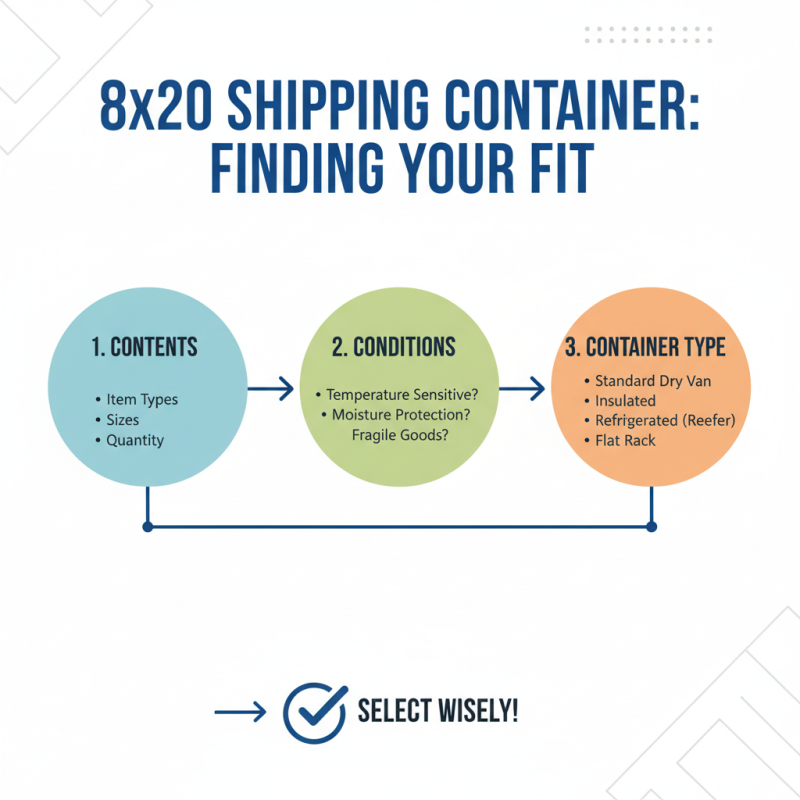
Think about how you plan to use the container. Will it store equipment, hold inventory, or serve as a workspace? Misjudging your needs can lead to regrets later. Evaluating your situation will help you make a more informed choice.
Understanding the Basics of 8x20 Shipping Containers
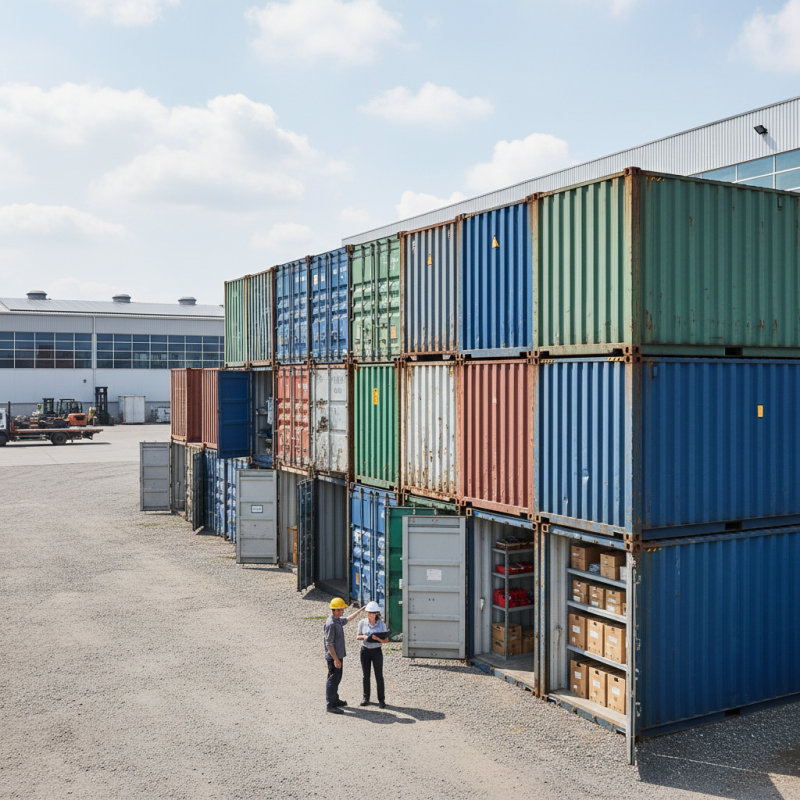
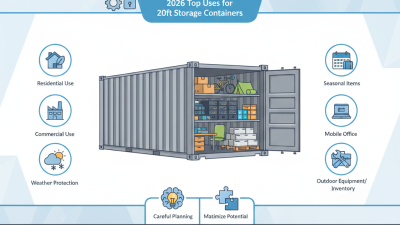
When selecting an 8x20 shipping container, understanding its basics is essential. An 8x20 container typically measures eight feet in width and twenty feet in length. This size is ideal for various applications, from storage to mobile offices. The spacious interior can hold items like furniture and equipment.
Consider the container's condition. Newer containers are more durable but costlier. Used containers may show signs of wear, such as rust or dents. It's crucial to inspect them thoroughly. A small dent may not affect functionality, but larger damage could lead to leakage. You should prioritize what matters most for your needs.
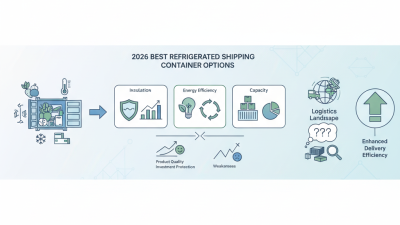
Evaluate insulation and ventilation as well. If you plan to store temperature-sensitive items, proper insulation is vital. Ventilation helps reduce moisture buildup, which can damage your belongings. Think about how you plan to use the container. This reflection will guide your choice. An 8x20 container can be a versatile solution if you choose wisely.
Comparison of Key Features in 8x20 Shipping Containers
Evaluating Container Conditions: New vs. Used
When considering an 8x20 shipping container, evaluating its condition is crucial. New containers often appear more reliable. They come with a fresh coat of paint and no signs of wear and tear. But, they cost more. Industry data shows that new containers typically range from $3,000 to $5,000. This price point may not fit every budget.
On the other hand, used containers can provide substantial savings. A well-maintained used container might cost between $1,500 to $3,000. However, not all used containers are created equal. Look for rust, dents, or structural issues. A recent report indicates that around 30% of used containers have some form of damage. This damage can lead to future headaches.
While choosing a container, think about your needs. Will you store valuable goods? A new container might be wiser. If it’s for less sensitive items, a used one could suffice. Just remember to thoroughly inspect it. Every choice has a trade-off. The decision hinges on balancing cost and quality.
How to Choose the Best 8x20 Shipping Container for Your Needs? - Evaluating Container Conditions: New vs. Used
| Container Condition |
Purchase Price |
Expected Lifespan |
Typical Use Cases |
Pros |
Cons |
| New |
$3,000 - $5,000 |
30+ years |
Shipping, Storage, Permanent Installations |
Less wear and tear, warranty available |
Higher initial investment |
| Used |
$1,500 - $3,000 |
10-20 years |
Storage, Temporary Installations, Custom Mods |
Lower cost, wide availability |
Potential hidden damages, no warranty |
Considering Accessibility and Transportation Options
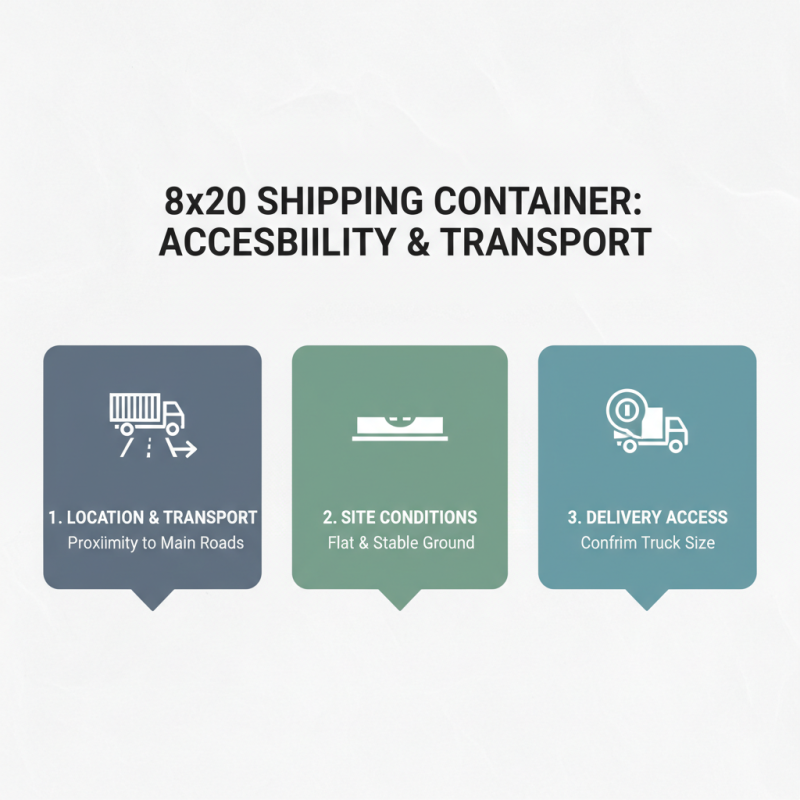
When considering an 8x20 shipping container, accessibility is crucial. Ensure that your chosen location allows for easy transport. Proximity to main roads can reduce complications. A flat, stable area is ideal for loading and unloading. If delivery is a concern, confirm the truck size needed for access.
Tips: Measure the path for obstacles. Check for low-hanging branches or narrow gates. Adjust your plans accordingly. You may find certain locations more suitable than others.
Transportation options also matter. Whether you plan to move the container often or keep it stationary, choose wisely. A flatbed truck is often the best choice for safe transport. Look into local service providers to understand costs and availability.
Tips: Consider distance when selecting a provider. A local transporter may save time and money. Sometimes, hidden fees can arise, so ask about all costs upfront.
Taking these factors into account can simplify the process. Evaluate your options carefully. Time spent in planning can save frustration later.
Budgeting for Purchase and Ongoing Costs
When budgeting for an 8x20 shipping container, it's crucial to consider both the purchase price and ongoing costs. The average cost for a used container typically ranges from $2,000 to $6,000, depending on its condition and location. However, there are additional expenses to keep in mind. You might face delivery fees and potential custom duty charges if importing. Proper budgeting allows you to avoid unpleasant surprises.
Tips for budgeting effectively: Always research multiple suppliers. Compare prices carefully. An online platform can give you a wide range of options. Don't forget to factor in maintenance costs, too. Depending on your usage, you might need to invest in repairs or weatherproofing to extend its lifespan.
Lastly, remember that ongoing costs can add up. If you plan to use the container for storage, consider insurance and security measures. Industry reports indicate that approximately 30% of container users overlook these recurring expenses. Keeping detailed records of all costs helps you assess the overall value of your container. Reflect on your priorities and adjust your budget accordingly.