The 10 Best Uses for a 40ft Shipping Container You Need to Know
A 40ft shipping container is a versatile and robust solution that has gained popularity across various sectors, from residential developments to commercial enterprises. Its robust structure is designed to withstand the rigors of transportation, making it an ideal choice for those looking to repurpose these units beyond their original shipping purposes. With an array of innovative applications, the potential uses for a 40ft shipping container are limited only by one’s imagination.
In this article, we will explore the top ten creative and practical ways to utilize a 40ft shipping container. Whether you are seeking to create additional storage space, establish a unique office environment, or even develop a cozy living area, these containers can be transformed to meet a wide range of needs. As urban environments continue to evolve and space becomes more precious, the adaptability of a 40ft shipping container offers a compelling solution for individuals and businesses alike. Join us as we delve into the most effective and inspiring ways to leverage this functional asset.
Advantages of Using a 40ft Shipping Container for Storage Solutions
Using a 40ft shipping container as a storage solution offers several significant advantages, particularly for businesses and individuals needing flexible and secure storage options. According to a report by the World Shipping Council, the container shipping industry is poised for growth, with approximately 5 million active shipping containers in circulation worldwide in 2021. This vast availability ensures that a 40ft shipping container can be acquired easily and at a relatively low cost compared to traditional storage units, making it an economical choice for many.
Moreover, a 40ft shipping container provides ample space, typically around 2,350 cubic feet, which can accommodate a variety of items, from equipment and tools to inventory and personal belongings. A survey conducted by the Container Owners Association found that over 60% of respondents prefer shipping containers for their durability and security features. Constructed from weather-resistant materials and equipped with locking mechanisms, these containers protect valuable contents against environmental damage and theft.
Additionally, the flexibility of placement—whether on-site or at a storage yard—allows for customized solutions tailored to specific storage needs. In a fast-paced world where space and security for belongings is a priority, utilizing a 40ft shipping container stands out as a practical and efficient choice.
Transforming a Shipping Container into a Cozy Home Environment
Transforming a shipping container into a cozy home environment has gained popularity due to its affordability and versatility. According to the World Bank, the global construction industry is steadily shifting towards sustainable building practices, with an emphasis on reducing costs and waste. Shipping containers emerge as an attractive option, providing sturdy and adaptable structures that can be modified to meet personal preferences and needs.
A typical 40ft shipping container provides approximately 320 square feet of usable space, which can easily house essential living areas such as a bedroom, kitchen, and bathroom. Reports from the Container Housing Resource Group indicate that converting a container into a living space can reduce construction costs by up to 30% compared to traditional building methods.
Moreover, with the right insulation and ventilation, these containers can be designed to create a comfortable and energy-efficient home. Feature enhancements such as large windows, wood paneling, and clever spatial layouts can transform a minimalistic design into a warm and inviting living environment.
Additionally, the trend is bolstered by a growing interest in minimalist lifestyles and sustainable living. Research by the Institute for Sustainable Living shows that many people are drawn to container homes as a way to downsize and simplify their lives while reducing their carbon footprint. As urban areas become more congested and housing affordability remains a challenge, shipping containers offer a unique solution that blends sustainability with modern living.
Using Shipping Containers for Creative Office Spaces
Shipping containers have gained popularity as an innovative solution for creating unique office spaces, especially in urban environments where traditional office real estate can be prohibitively expensive.
According to a report by the International Organization for Standardization, over 200 million shipping containers are currently in use worldwide, presenting a significant opportunity for repurposing.
By utilizing these containers, businesses can reduce costs by up to 50% compared to conventional office setups, while also embracing sustainability through recycling.
Creative office spaces made from shipping containers offer flexibility and adaptability, allowing companies to scale their work environments up or down based on their needs.
A study by the U.S. Green Building Council indicates that green building practices, including the use of repurposed materials, can lead to a 20% reduction in operational costs.
Furthermore, container offices can be quickly assembled, often in less than a week, providing businesses with a rapid solution to workspace demands.
This approach is particularly attractive to startups and smaller enterprises seeking to establish a professional presence without the long-term financial commitments of traditional leases.
Innovative Retail Experiences with Shipping Container Designs
In recent years, shipping containers have transcended their traditional roles and emerged as innovative solutions for retail experiences. These versatile structures offer a unique aesthetic and functional appeal that aligns well with the current trend of experiential marketing. According to a report by Technavio, the global retail pop-up market is expected to grow by over 3.6 billion USD by 2024, highlighting a significant shift towards temporary and adaptable retail spaces. Shipping containers, with their inherent mobility and customizability, support this trend by providing brands with the flexibility to create immersive shopping environments that can be easily transported and reconfigured.
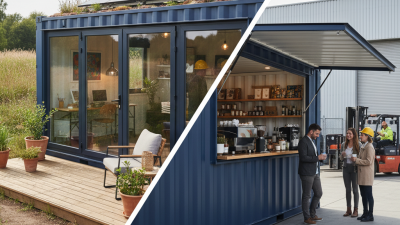
One of the most compelling aspects of using shipping containers in retail is their ability to create engaging consumer experiences. A survey by Event Marketer found that 74% of consumers feel more favorable towards a brand after participating in an experiential marketing event. Shipping containers can be designed to host interactive displays, workshops, or even cafes, drawing in foot traffic and enhancing customer engagement. Retailers can capitalize on this by transforming these containers into unique destinations that reflect their brand identity while also showcasing sustainability—a key factor for modern consumers. As the demand for innovative retail solutions grows, shipping containers are proving to be an effective and stylish choice that meets both logistical and experiential needs.
The 10 Best Uses for a 40ft Shipping Container
Constructing Sustainable Community Spaces with Shipping Containers
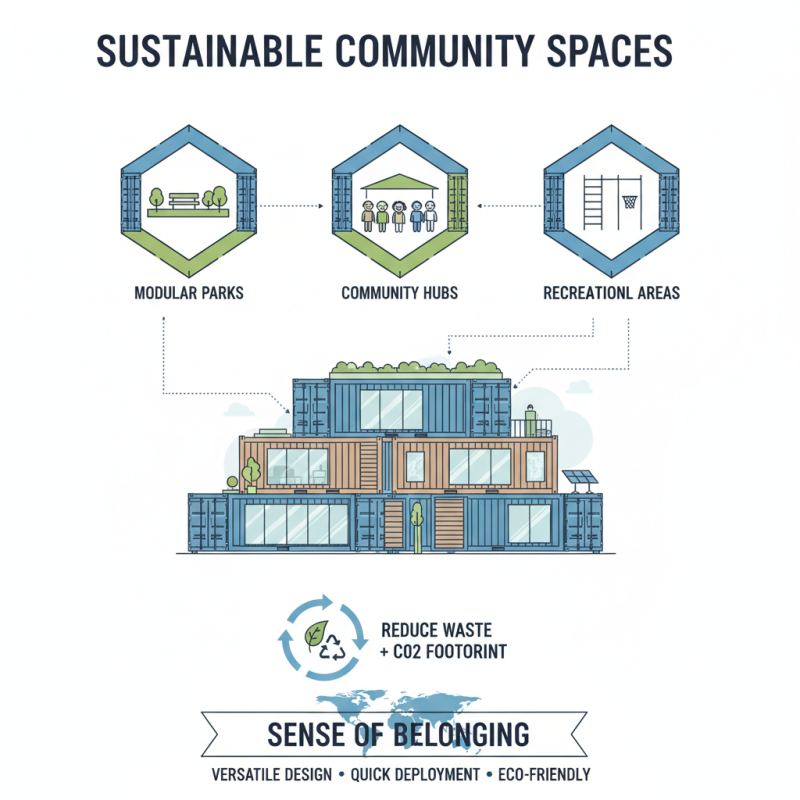
Shipping containers have emerged as a transformative solution for constructing sustainable community spaces. Their modular nature allows for versatile design options, making them an ideal choice for parks, community centers, and recreational areas. These structures not only provide functional space but also contribute to a sense of belonging within neighborhoods. By repurposing shipping containers, communities can reduce waste and minimize the carbon footprint associated with traditional building materials.
In addition to their environmental benefits, shipping containers can be easily customized to meet various community needs. For instance, they can be converted into art studios, educational hubs, or food vendors, fostering local creativity and entrepreneurship. Such spaces can also host events and workshops, encouraging social interaction and collaboration among residents. The innovative use of shipping containers paves the way for inclusive environments that celebrate community engagement while promoting sustainability.