Best Refrigerated Shipping Container Options for Your Business?
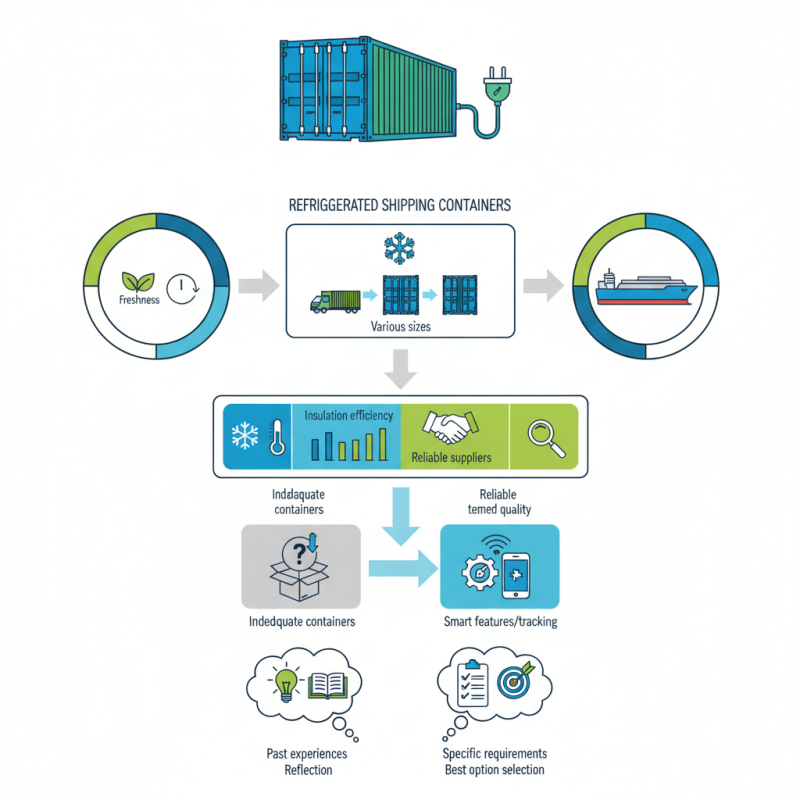
In today's fast-paced market, businesses must ensure their products remain fresh. A refrigerated shipping container is a vital solution for transporting perishable goods. These containers come in various sizes and configurations, catering to different shipping needs.
Choosing the right refrigerated shipping container requires careful consideration. Factors such as insulation efficiency and temperature control are crucial. However, businesses often overlook the importance of reliable suppliers. A lack of research can lead to inadequate containers, risking product quality.
Moreover, keeping up with technological advancements is essential. Some newer models offer smart features for tracking shipments. However, not all businesses may be ready for these upgrades. Reflecting on past experiences can guide better decisions. Ultimately, understanding specific requirements helps in selecting the best option.
Understanding Refrigerated Shipping Containers: A Comprehensive Overview
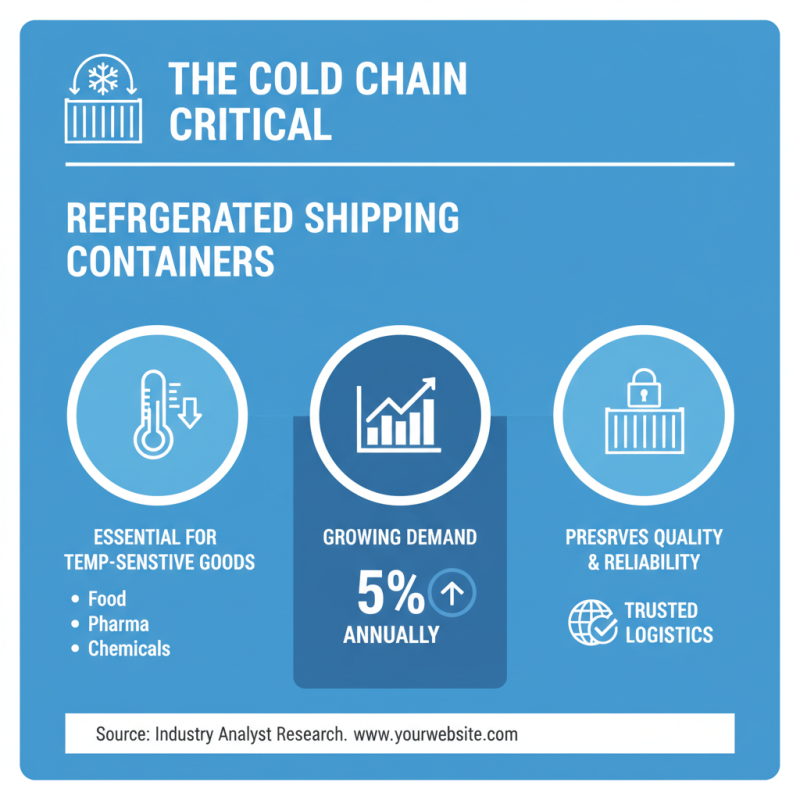
Refrigerated shipping containers are essential for businesses transporting temperature-sensitive goods. These containers maintain specific temperatures to preserve items like food, pharmaceuticals, and chemical products. Research from industry analysts indicates that the demand for refrigerated containers is growing at a rate of 5% annually. This trend highlights the increasing need for reliable shipping solutions.
One critical aspect to consider is the variety of temperature ranges available. Standard refrigerated containers operate from -20°C to 20°C. Some specialized options can maintain even lower temperatures for goods like frozen seafood or vaccines. Businesses must assess their specific requirements carefully. Not all containers are designed for every product type. Cost considerations also play a significant role. Initial investments can be substantial, but long-term savings on spoilage may offset these costs.
However, some shippers face challenges. Many containers lack adequate insulation, leading to temperature fluctuations. This could compromise cargo integrity. Additionally, monitoring and maintenance are crucial yet often overlooked factors. Without proper monitoring systems, temperature deviations can go unnoticed, resulting in losses. Choosing the right refrigerated shipping container requires careful thought and planning to avoid these common issues.
Types of Refrigerated Shipping Containers: Which One Suits Your Needs?
When selecting refrigerated shipping containers, it’s vital to understand the various types available. The most common options include reefers, insulated containers, and portable cold storage units. According to industry analysis, over 70% of perishable goods require temperature control during transit. Knowing the nature of your goods can guide you toward the best fit.
Reefers are ideal for long-distance shipping. They maintain a specific temperature range, crucial for items like fresh produce or pharmaceuticals. Insulated containers, on the other hand, are less costly. They rely on insulation rather than powered refrigeration. This option may suit businesses with less stringent temperature requirements. For those without permanent cold storage solutions, portable cold storage units provide flexibility. They can be rented and placed on-site as needed.
However, every option has its downsides. Reefers can be expensive to operate, particularly in regions with fluctuating energy costs. Insulated containers require careful loading and monitoring to ensure the product remains at the desired temperature. Portable units, while convenient, may not provide the same level of temperature control as traditional reefers. Understanding these nuances is key to making an informed decision for your business’s shipping needs.
Best Refrigerated Shipping Container Options for Your Business
| Type |
Temperature Range (°C) |
Capacity (Cubic Meters) |
Power Source |
Best For |
| Standard Reefer Container |
-30 to +30 |
30 |
Electric |
General perishables |
| Blast Freezer Container |
-60 to -18 |
25 |
Electric |
Rapid freezing |
| Insulated Container |
-20 to +20 |
28 |
Passive |
Short term storage |
| Dual-Temperature Container |
-20 to +20 (separate zones) |
40 |
Electric |
Diverse goods |
| Reefer with Monitoring |
-30 to +30 |
20 |
Electric |
Sensitive shipments |
Key Features to Consider When Choosing a Refrigerated Shipping Container
When selecting a refrigerated shipping container, several key features must be prioritized. Temperature control is essential. Most containers maintain temperatures between -20°C to 20°C. This range supports various products, from frozen food to pharmaceuticals. According to a report by ResearchAndMarkets, the global refrigerated container market is projected to grow at a CAGR of 5.2% by 2027. Understanding this trend helps businesses make informed decisions.
Another crucial aspect is insulation quality. Effective insulation minimizes energy consumption. Studies show that good insulation can improve efficiency by over 30%. Optimal materials like polyurethane or polystyrene offer durability and temperature retention. Additionally, consider container size based on projected load. Small businesses often underestimate their needs. A larger unit may save costs in the long run.
Accessibility is another factor worth contemplating. Some containers offer advanced technology, such as IoT capabilities for monitoring temperatures remotely. The cost of these advanced units can be higher. It’s a double-edged sword; you pay for features but gain better control. Deciding whether the investment aligns with your operational needs requires reflection. Prioritizing these features can ultimately improve logistics and product quality.
Best Refrigerated Shipping Container Options for Your Business
Cost Analysis: Budgeting for Refrigerated Shipping Solutions
When considering refrigerated shipping solutions for your business, budget is a crucial factor. Many companies underestimate the costs involved. The initial expense of acquiring or renting a refrigerated container can vary widely. It often depends on size, features, and the conditions of your operation. Research shows that small businesses may struggle with this upfront investment.
Ongoing expenses should not be overlooked. Fuel and maintenance costs can add up quickly. A container requires consistent monitoring to ensure it functions properly. If the unit fails, it can lead to product loss and financial strain. Businesses must also factor in seasonal fluctuations. Demand for refrigerated transport often peaks in warmer months, leading to increased prices.
Unexpected expenses may arise. For instance, compliance with transportation regulations can incur extra costs. Some containers may need modifications for specific products. An evaluation of your needs can prevent overspending. It’s essential to create a detailed budget plan. Reflect on potential pitfalls that could affect your finances. Regular assessment can help mitigate risks and improve cost efficiency in the long run.
Maintaining Temperature Integrity During Transit: Best Practices
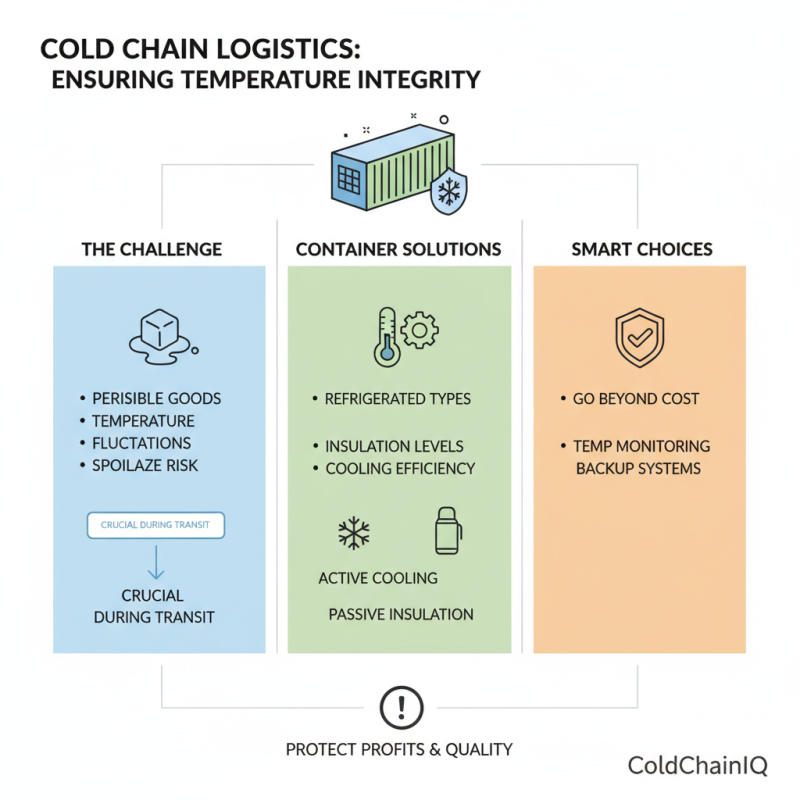
Ensuring temperature integrity during transit is crucial for perishable goods. Selecting the right refrigerated shipping container can make a significant difference. Different container types provide varying levels of insulation and cooling efficiency. Many businesses focus primarily on cost, often overlooking essential features like temperature monitoring and backup systems.
Monitoring temperature throughout the journey is key. Many containers today come equipped with advanced technology. This can include real-time temperature tracking and alerts. Such systems help address unexpected fluctuations. However, not all containers are equipped with this technology, leading to potential risks.
Regular maintenance of refrigerated containers is another critical point. Even a well-designed unit needs checks for functionality. Inconsistencies can arise from improper sealing, clogged air vents, or outdated cooling systems. Businesses must remain vigilant about these factors. Overlooking them could lead to temperature breaches, causing spoilage and financial loss. It's essential to continually assess these practices to improve reliability.